
Embracing Scripture and Tradition in Our Christian Journey
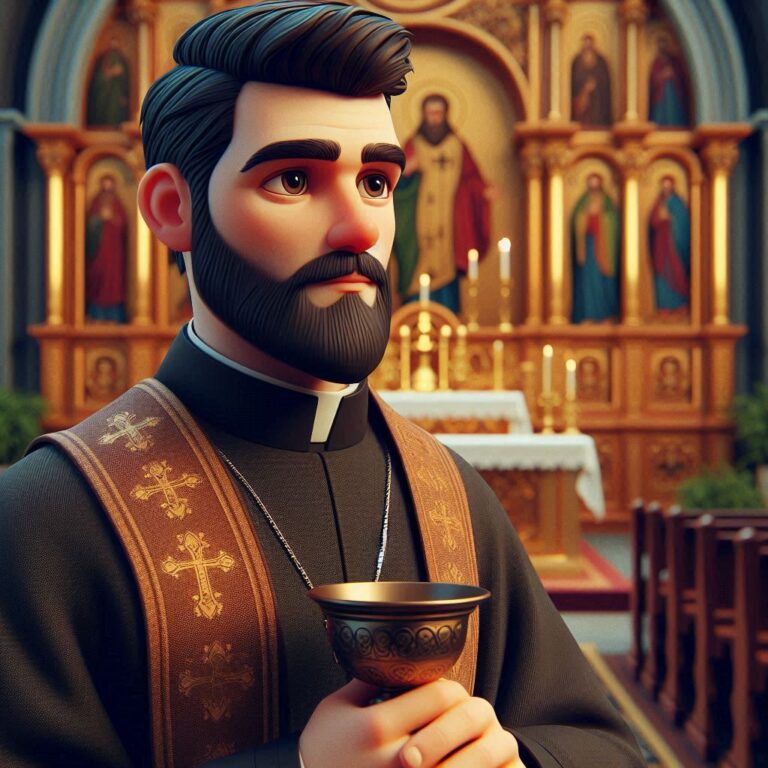 Orthodox Priest
Offers ancient wisdom through liturgy, icons, and the unbroken tradition of the Eastern Orthodox Church.
Orthodox Priest
Offers ancient wisdom through liturgy, icons, and the unbroken tradition of the Eastern Orthodox Church.
Understanding the Role of Scripture
Scripture serves as the foundation of our faith, a sacred text that illuminates our path toward God. In the Orthodox tradition, the Bible is not merely a historical account; it is the living word of God, meant to inspire and guide us in our daily lives. The Old and New Testaments together reveal the story of God’s love and redemption for humanity, inviting us into a deeper relationship with Him.
The Old Testament: A Gift of Wisdom
The Old Testament contains the history, poetry, and prophecies that shaped the Israelite people and their understanding of God. It invites us to reflect on the nature of faith, the importance of covenant, and the call to righteousness. Through stories of the patriarchs, the wisdom literature, and the prophetic messages, we learn about trust, obedience, and the profound mystery of God’s love.
The New Testament: The Fulfillment of Promise
In the New Testament, we find the culmination of God’s promise through Jesus Christ. Here, we encounter teachings that challenge us to live out our faith actively. The Gospels present us with the life of Christ, while the Epistles guide us in understanding the implications of His resurrection for our lives. Reading the New Testament encourages us to engage with the transformative power of grace and love.
The Call to Discipleship
Discipleship is central to the Christian life. It is not merely an intellectual assent to doctrines but a commitment to follow Christ in our thoughts, words, and deeds. As Orthodox Christians, we are called to embody the teachings of Christ through our actions and to grow in holiness.
Living as a Disciple
To be a disciple involves several key aspects:
- Learning: Engaging with Scripture and the teachings of the Church is essential. Regular reading and study deepen our understanding and fortify our faith.
- Prayer: Communication with God is vital. Through prayer, we cultivate our relationship with Him, seeking His guidance and grace.
- Community: Discipleship is not a solitary journey. We grow in faith through our interactions with others, learning from their experiences and insights.
- Service: As disciples, we are called to serve others, reflecting Christ’s love and humility in all we do.
The Richness of Christian Traditions
The Orthodox Church is steeped in rich traditions that have developed over centuries. These traditions help us to connect with the divine and to understand our faith in a deeper way. From liturgical practices to the veneration of saints, each aspect of our tradition serves to enrich our spiritual lives.
The Liturgy: A Window to Heaven
The Divine Liturgy is the heart of Orthodox worship. It is a communal act of worship that brings us together to experience the presence of God. The prayers, hymns, and rituals are steeped in biblical language and theological depth, guiding us into a profound encounter with the Holy Spirit. Participating in the Liturgy fosters a sense of belonging and unity within the Church.
Traditions of Fasting and Feasting
Fasting and feasting are integral to our Christian practice. Fasting helps us to cultivate self-discipline and focus on spiritual growth, while feasting celebrates the joy of God’s presence in our lives. Both practices remind us of the rhythms of life and the importance of balance in our spiritual journey.
The Power of Prayer
Prayer is the lifeblood of our faith. It is our direct line of communication with God, allowing us to express our gratitude, seek guidance, and intercede for others. In the Orthodox tradition, prayer takes many forms, from personal prayers to communal services.
Types of Prayer
Some common forms of prayer in the Orthodox tradition include:
- Personal Prayer: Engaging in quiet reflection and conversation with God in our own words.
- Liturgical Prayer: Participating in the prayers of the Church, which provide structure and communal focus.
- Scriptural Prayer: Using the Psalms or other biblical texts as a basis for our prayers, allowing God’s Word to shape our petitions.
- Intercessory Prayer: Praying for the needs of others, embodying the love and compassion of Christ.
Creating a Prayer Routine
Establishing a regular prayer routine can help deepen our relationship with God. Consider the following tips for creating a meaningful prayer life:
- Set aside specific times for prayer each day.
- Create a quiet space where you can focus without distractions.
- Incorporate Scripture into your prayer time.
- Be open to listening as much as speaking.
The Wisdom of the Ages
Throughout Christian history, the Church has been blessed with saints and theologians whose wisdom continues to guide us today. Their writings and teachings provide us with insights into living a life of faith and integrity.
Learning from the Saints
The lives of the saints serve as examples of how to live out our faith authentically. They faced trials and tribulations yet remained steadfast in their love for God and others. By studying their lives, we can find inspiration and encouragement in our own journeys.
Theological Insights
Theological works by Church Fathers and contemporary theologians offer profound reflections on Scripture, ethics, and the nature of God. Engaging with these texts can deepen our understanding of the faith and help us navigate the complexities of modern life.
The Importance of Community
Christianity is inherently communal. The Church is described as the Body of Christ, where each member plays a vital role. Community provides support, accountability, and encouragement in our spiritual journeys.
Building Community
To foster a vibrant Christian community, consider the following practices:
- Participate in Church Activities: Engage in worship, study, and service opportunities within your parish.
- Offer Support: Be there for fellow parishioners in times of need, whether through prayer, meals, or companionship.
- Invite Others: Be intentional about inviting others to join your community, sharing the joy of Christ with those around you.
- Reflect on Diversity: Embrace the diversity within the Church, recognizing that we can learn from one another’s experiences and perspectives.
Conclusion: Our Continuous Journey of Faith
As Orthodox Christians, we are called to a lifelong journey of faith, guided by Scripture, enriched by tradition, and nurtured through prayer and community. This journey invites us to grow in wisdom and love, transforming us into the image of Christ.
As we navigate our spiritual paths, let us respect the various expressions of faith that exist within our tradition. Each person’s journey is unique, and we can learn from one another as we seek to follow Christ together. I encourage you to engage with your local religious leaders for guidance and support as you explore these themes in your life.
Reflect on these questions as you continue your journey:
- How can I deepen my engagement with Scripture in my daily life?
- In what ways can I embody the teachings of Christ in my actions?
- How can I contribute to fostering community within my parish?
- What practices can I incorporate into my prayer life to enhance my relationship with God?
 Exploring Scripture, Discipleship, and Christian Community
Understanding Scripture The Bible is more than just a collection of ancient texts; it is the living Word…
Exploring Scripture, Discipleship, and Christian Community
Understanding Scripture The Bible is more than just a collection of ancient texts; it is the living Word…
 Nurturing Faith Through Scripture, Prayer, and Community
Understanding Scripture in Our Lives As we journey through life as followers of Christ, the Scriptures serve as…
Nurturing Faith Through Scripture, Prayer, and Community
Understanding Scripture in Our Lives As we journey through life as followers of Christ, the Scriptures serve as…
 Embracing Scripture and Community in Our Christian Journey
The Role of Scripture in Our Lives Dear friends and fellow believers, as we embark on this journey…
Embracing Scripture and Community in Our Christian Journey
The Role of Scripture in Our Lives Dear friends and fellow believers, as we embark on this journey…