
Nurturing Faith: Embracing Scripture and Community in Discipleship
 Catholic Priest
Offers spiritual guidance through tradition, sacraments, and teachings of the Catholic Church.
Catholic Priest
Offers spiritual guidance through tradition, sacraments, and teachings of the Catholic Church.
Introduction
As we journey through life as followers of Christ, we find ourselves exploring the depths of our faith through Scripture, prayer, and community. Each of these elements plays a vital role in our growth as disciples and in our understanding of God’s grace. In this article, we will reflect on these components, respecting the rich diversity of Christian traditions while fostering a deeper connection with our faith.
Understanding Scripture
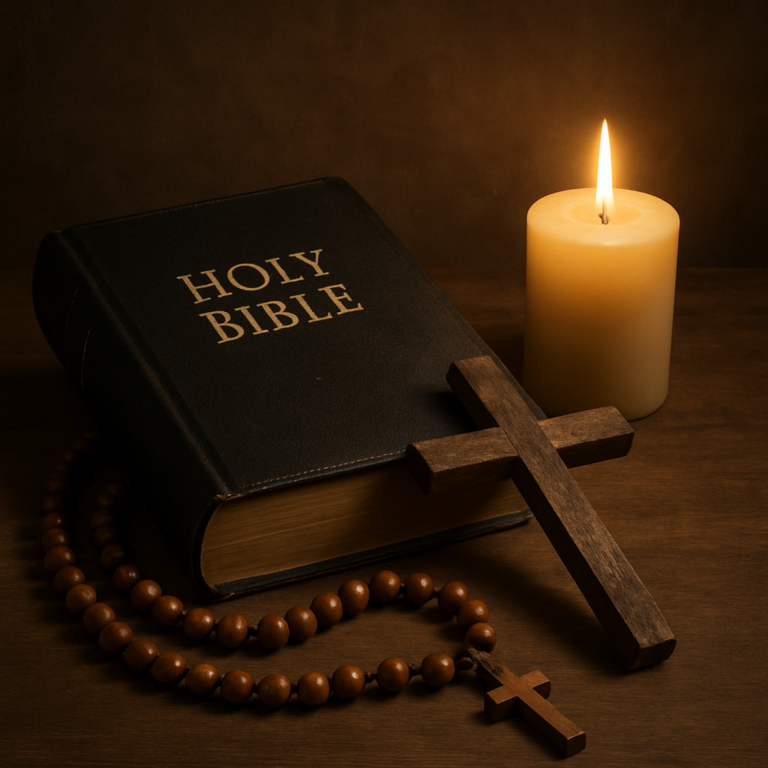
The Bible is often referred to as the “living Word” of God. It invites us into a sacred dialogue, offering wisdom and guidance for our daily lives. In the Catholic tradition, we hold both the Old and New Testaments as integral to our faith, recognizing that they reveal God’s plan for humanity.
The Old Testament
The Old Testament provides a foundation for understanding God’s covenant with His people. It includes historical narratives, laws, poetry, and prophetic writings that reveal God’s character and His relationship with Israel. As we read these texts, we are called to reflect on their significance in today’s world.
The New Testament
The New Testament centers on the life, death, and resurrection of Jesus Christ, revealing the fulfillment of the promises made in the Old Testament. It encourages us to embrace a life of love, service, and sacrifice, modeling our lives after Christ’s example.
Reflection Questions
- How does Scripture inform your understanding of God and His will for your life?
- In what ways can you incorporate the teachings of the Bible into your daily routine?
- What passages resonate with you during challenging times, and how do they provide comfort?
The Journey of Discipleship
Discipleship is a lifelong journey of following Christ and becoming more like Him. It involves not only learning about the faith but also living it out in our actions and relationships. In our tradition, the call to discipleship is universal, yet it manifests uniquely in each of our lives.
Being a Disciple
To be a disciple means to be a student of Jesus. This requires us to engage with Scripture, participate in the sacraments, and seek to live out the Gospel in our everyday interactions. Discipleship is about growth—spiritual, moral, and communal.
Embracing Community
Community plays an essential role in our discipleship journey. As members of the Body of Christ, we are called to support and uplift one another. The Church, in its various forms, provides a space for fellowship, accountability, and shared worship.
Reflection Questions
- How can you deepen your commitment to being a disciple of Christ?
- What role does community play in your spiritual growth?
- In what ways can you contribute to your local faith community?
The Richness of Christian Traditions
Christianity is beautifully diverse, with various traditions offering unique perspectives on faith and worship. Within Catholicism, we find a rich tapestry of practices and beliefs that have developed over centuries. It is important to respect differences within our tradition while also recognizing the core tenets that unite us.
Liturgical Practices
Our liturgical practices, such as the Mass, the Sacraments, and the observance of the liturgical calendar, connect us to the universal Church and to the historical events of salvation. These practices invite us into a deeper relationship with God and one another.
Spiritual Traditions
Spiritual traditions, such as contemplative prayer, the Rosary, and the lives of the saints, offer various pathways to encounter God. Each tradition has its own beauty and depth, providing opportunities for individuals to connect with the divine in meaningful ways.
Reflection Questions
- What aspects of your Christian tradition resonate most with you?
- How can you learn from the diverse practices within Christianity?
- In what ways can you incorporate different traditions into your spiritual life?
The Power of Prayer
Prayer is the lifeblood of our relationship with God. It is through prayer that we communicate with Him, seek His guidance, and express our gratitude. In the Catholic tradition, we have a rich heritage of prayer forms, from formal prayers to spontaneous conversations with God.
Types of Prayer
Different types of prayer serve various purposes in our spiritual lives:
- Adoration: Recognizing and honoring God’s greatness.
- Confession: Acknowledging our sins and seeking forgiveness.
- Thanksgiving: Expressing gratitude for God’s blessings.
- Supplication: Asking God for help and interceding for others.
Creating a Prayer Life
Establishing a regular prayer life can transform our relationship with God. Setting aside time for prayer each day allows us to cultivate intimacy with the Lord and grow in our understanding of His will.
Reflection Questions
- What role does prayer play in your daily life?
- How can you deepen your prayer practice?
- What resources or methods have helped you in your prayer life?
Seeking Wisdom
In our quest for understanding and growth, we must seek wisdom—both from Scripture and from the experiences of others within our community. Wisdom is not merely knowledge; it is the application of knowledge guided by faith.
Learning from the Saints
The lives of the saints provide us with examples of how to live out our faith authentically. Their stories remind us that holiness is attainable and that we can learn from their struggles and triumphs.
Modern Wisdom
In addition to the wisdom of the saints, we can also learn from contemporary Christian thinkers, theologians, and our fellow parishioners. Engaging in discussions about faith can broaden our perspectives and deepen our understanding.
Reflection Questions
- Who are the individuals in your life that have imparted wisdom to you?
- How can you actively seek wisdom in your faith journey?
- What resources, such as books or podcasts, have inspired your spiritual growth?
Building Community
In our fast-paced world, the importance of community cannot be overstated. The Church is called to be a place of refuge, support, and love. It is within community that we find belonging and encouragement in our faith journeys.
Fostering Relationships
Building strong relationships within our faith community is essential. This involves active participation, open communication, and a willingness to serve one another. By investing in our relationships, we contribute to a vibrant and welcoming Church.
Service to Others
As disciples, we are called to serve others, both within and outside our community. Engaging in acts of service allows us to live out the Gospel message and reflect Christ’s love in tangible ways.
Reflection Questions
- How can you strengthen your connections within your faith community?
- What acts of service can you engage in to support others?
- In what ways can your community come together to address local needs?
Conclusion
As we reflect on Scripture, discipleship, Christian traditions, prayer, wisdom, and community, let us embrace the journey of faith with open hearts. Each element contributes to our growth and understanding of God’s love and grace. May we continue to seek Him in our lives, honoring the diverse expressions of faith within our tradition while nurturing our own relationship with Christ.
For personal guidance, I encourage you to consult with your local religious leaders who can provide support and insight as you navigate your faith journey.
 Exploring Scripture, Discipleship, and Christian Community
Understanding Scripture The Bible is more than just a collection of ancient texts; it is the living Word…
Exploring Scripture, Discipleship, and Christian Community
Understanding Scripture The Bible is more than just a collection of ancient texts; it is the living Word…
 Nurturing Faith Through Scripture, Prayer, and Community
Understanding Scripture in Our Lives As we journey through life as followers of Christ, the Scriptures serve as…
Nurturing Faith Through Scripture, Prayer, and Community
Understanding Scripture in Our Lives As we journey through life as followers of Christ, the Scriptures serve as…
 Embracing Scripture and Community in Our Christian Journey
The Role of Scripture in Our Lives Dear friends and fellow believers, as we embark on this journey…
Embracing Scripture and Community in Our Christian Journey
The Role of Scripture in Our Lives Dear friends and fellow believers, as we embark on this journey…