
Are You Ready for the Next Step in Cancer Care?
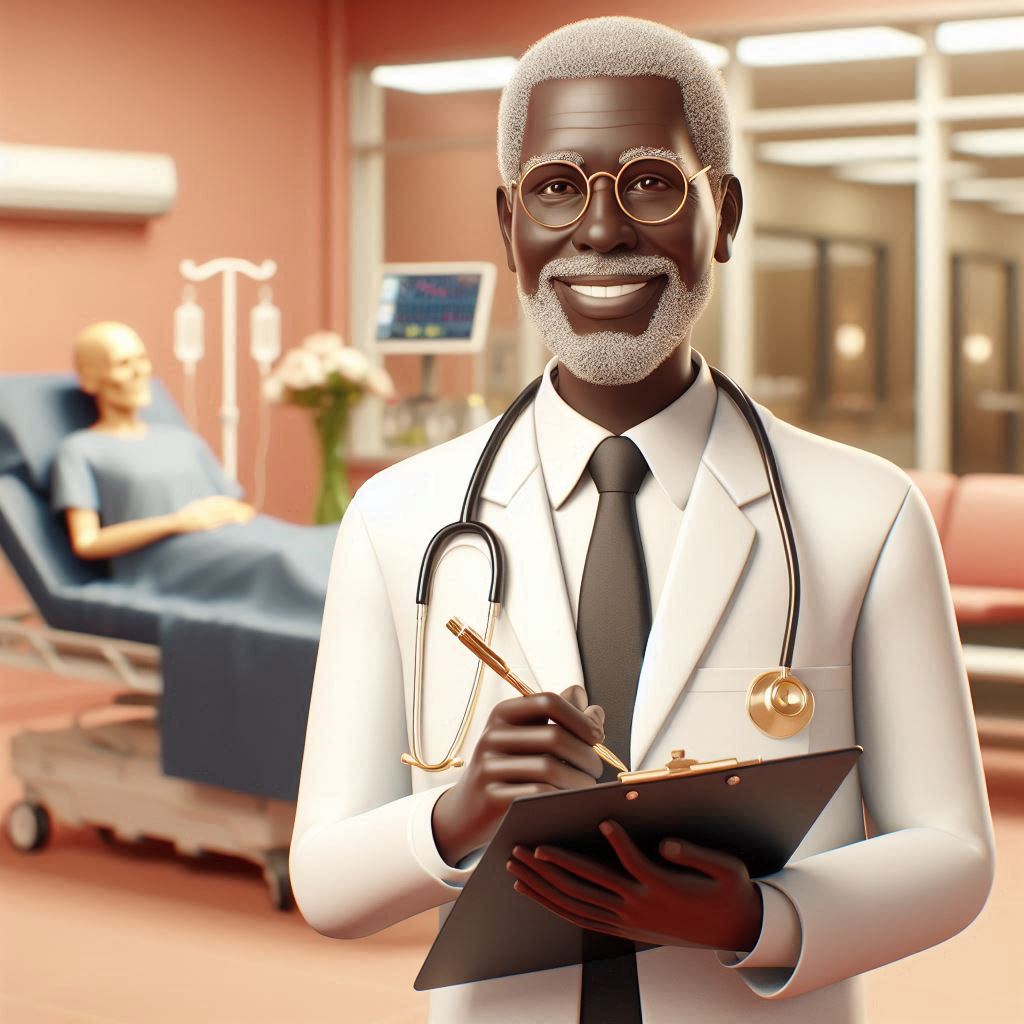 Oncologist
Explains cancer-related questions and helps you prepare for conversations with your care team.
Oncologist
Explains cancer-related questions and helps you prepare for conversations with your care team.
Navigating a cancer diagnosis can feel overwhelming, but knowing your options can empower you on your journey. With advancements in treatment and support, it’s crucial to stay informed. Here’s a closer look at how to approach cancer care today.
Understanding Your Treatment Options
When faced with a cancer diagnosis, understanding your treatment options is vital. Treatment plans can vary widely based on the type of cancer, its stage, and your overall health. Here are some common treatment modalities:
1. Surgery
- Often used to remove tumors or affected tissue.
- Can be curative or palliative, depending on the situation.
2. Radiation Therapy
- Uses high-energy rays to kill cancer cells.
- Can be done externally or internally (brachytherapy).
3. Chemotherapy
- Involves using drugs to kill fast-growing cancer cells.
- Often used for systemic treatment, affecting the whole body.
4. Immunotherapy
- Helps your immune system fight cancer more effectively.
- Can be tailored to specific cancer types.
5. Targeted Therapy
- Focuses on specific molecules involved in cancer growth.
- Generally has fewer side effects than traditional chemotherapy.
Each treatment comes with its own set of benefits and challenges. Working closely with your oncologist can help tailor a plan that fits your unique situation.
How to Prepare for Your Treatment Journey
- Educate Yourself: Familiarize yourself with your diagnosis and treatment options. Trusted resources include Mayo Clinic, WebMD, and CDC.
- Ask Questions: Don’t hesitate to ask your healthcare team about anything you don’t understand. Knowledge is power.
- Build a Support Network: Surround yourself with friends, family, and support groups. Emotional support can be as crucial as medical treatment.
- Focus on Nutrition: Maintaining a balanced diet can help your body cope with treatment. WHO offers guidelines on nutrition for cancer patients.
Emotional Well-being During Treatment
Cancer affects not just the body but the mind and soul. Here are some strategies to maintain emotional health:
- Mindfulness and Relaxation Techniques: Practices like yoga or meditation can reduce stress.
- Seek Counseling: Professional therapy can provide a safe space to express feelings.
- Stay Connected: Regularly engage with loved ones, even if it’s through digital means.
As we approach World Cancer Day on February 4th, consider how you can advocate for awareness and support for those affected by cancer. This is an opportunity to reflect on the importance of early detection and ongoing research in the fight against cancer.
Your journey may be challenging, but remember, you are not alone. Whether it’s through support groups or professional help, there are resources available to help navigate this path. Empower yourself with knowledge, seek support, and take care of your emotional and physical health during this time. Every step you take is a step toward recovery.
More articles for you
 Is Your Joint Pain a Sign of Something More Serious?
Chronic joint pain can be more than just a nuisance; it may signal underlying health issues. Many people…
Is Your Joint Pain a Sign of Something More Serious?
Chronic joint pain can be more than just a nuisance; it may signal underlying health issues. Many people…
 Is Your Joint Pain Telling You Something Important?
Joint pain can be more than just a nuisance – it can signal underlying health issues that deserve…
Is Your Joint Pain Telling You Something Important?
Joint pain can be more than just a nuisance – it can signal underlying health issues that deserve…
 Are You Ignoring These 5 Signs of Neurological Disorders?
In our busy lives, we often overlook subtle signs that could indicate a neurological condition. Recognizing these early…
Are You Ignoring These 5 Signs of Neurological Disorders?
In our busy lives, we often overlook subtle signs that could indicate a neurological condition. Recognizing these early…