
Destabalized pushups hard
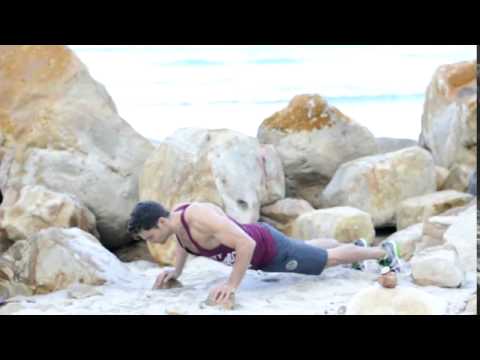

Destabalized pushups hard: Exercise Guide
Overview
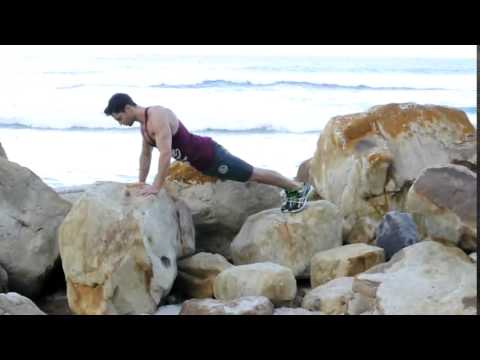
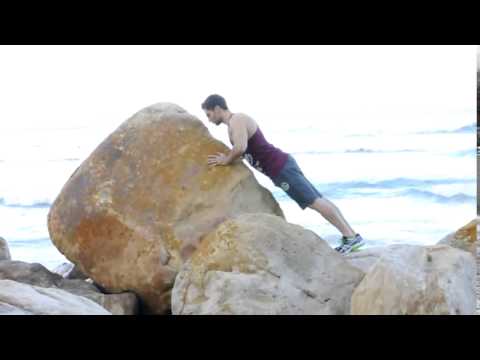
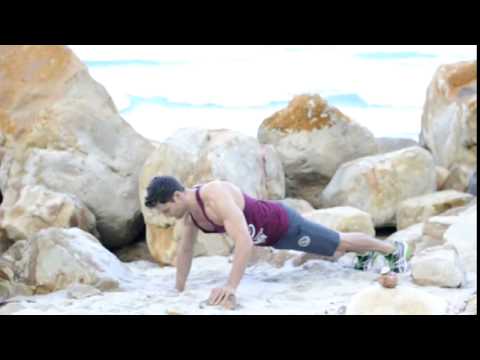
Destabalized pushups hard are a challenging variation of traditional pushups that require the use of a rock for added instability. This exercise emphasizes slow movement, which increases the demand on the muscles involved. Primarily targeting the chest, it also engages the triceps and front shoulders, making it a comprehensive upper body workout.
With a focus on strength, this exercise is suitable for individuals looking to enhance their upper body muscle endurance and stability. The intensity level is moderate, requiring control and proper form to maximize effectiveness and minimize the risk of injury.
What it is good for
- Building strength in the chest muscles
- Enhancing tricep development
- Engaging front shoulder muscles for improved stability
- Increasing muscle endurance through slow, controlled movements
- Challenging balance and core stability (though not primarily targeted)
When to avoid it
- Individuals with limited upper body strength
- Those who have not mastered standard pushups
- People with prior shoulder or wrist injuries
- Situations where unstable surfaces pose a risk of falls or injury
- General caution is advised due to limited evidence on specific contraindications
Verdict
Destabalized pushups hard can be an effective exercise for those looking to challenge their upper body strength and stability. However, it is essential to approach this exercise with caution, ensuring that proper form is maintained and that individuals have a solid foundation in basic pushup technique before progressing to this advanced variation.
Disclaimer: This content is AI-generated for informational purposes only and does not replace personalized medical advice. Exercise recommendations should be adapted to individual health status, injuries, and professional guidance.
Related Exercises
Search Database
| Exercise | Goals | Equipment | Muscles |
|---|---|---|---|
| Loading exercises... | |||
Exercise Page FAQ
How an individual exercise page helps you understand a movement, compare alternatives, and connect training choices back to your health goals.
What is an exercise single page for?
An exercise page gives focused context for one movement: what it is, what it may help with, when to be cautious, related exercises, health tests, and ways to explore more fitness support. It turns a movement name into something you can actually use.
What information should I look at first?
Start with the exercise goal, target muscles, equipment, movement type, intensity, recommended uses, and contraindications. Those details help you decide whether the exercise fits your body, your plan, and your current ability.
How do exercise pages connect to health assessments?
Health assessments can give context for exercise decisions. Strength, balance, flexibility, cardio, and body-composition results may help you choose movements that match your current needs instead of guessing with heroic confidence and questionable shoes.
Why are related exercises shown?
Related exercises are selected using shared goals, movement patterns, muscles, equipment, and exercise profile data. They help you find substitutes, progressions, regressions, or variety when one movement is not quite the right fit.
Can I use the exercise database from an exercise page?
Yes. Exercise pages include access to the searchable exercise database so you can keep exploring by goal, muscles, equipment, or movement needs without starting your search from scratch.
What are the AI fitness professionals for?
The AI professionals can help explain an exercise, suggest educational next steps, and support fitness or recovery questions. They are useful guides, but they do not replace a qualified trainer, physiotherapist, doctor, or other professional.