
Are You Ignoring Your Flexibility? Here’s Why It Matters!
Flexibility often takes a backseat in our fitness routines, yet it plays a crucial role in our overall health. Whether you’re an athlete or someone who sits at a desk all day, maintaining and improving your flexibility can enhance your physical performance and prevent injuries.
The Importance of Flexibility
Why Flexibility Matters
Flexibility isn’t just about being able to touch your toes—it’s about joint health and muscle function. Here are some reasons why flexibility is crucial:
- Injury Prevention: Flexible muscles are less prone to injury. When your muscles and tendons are flexible, they can handle stress better.
- Improved Performance: Whether you’re running, lifting weights, or playing sports, flexibility can enhance your performance by allowing for a greater range of motion.
- Better Posture: Tight muscles can pull your body out of alignment. Improving flexibility helps maintain good posture, reducing discomfort and strain.
How to Improve Your Flexibility
Improving flexibility is a gradual process that requires consistent effort. Here are some effective methods:
- Dynamic Stretching: Include dynamic stretches before your workouts to warm up your muscles. Think leg swings, arm circles, and walking lunges.
- Static Stretching: Incorporate static stretching after your workouts. Hold stretches for 20-30 seconds to lengthen your muscles.
- Yoga: Practicing yoga can enhance flexibility while promoting relaxation and mindfulness.
- Foam Rolling: Use a foam roller to release tight muscles and fascia, improving your overall range of motion.
Practical Tips for Daily Flexibility
- Set Aside Time: Dedicate at least 10 minutes a day to stretching or flexibility exercises.
- Listen to Your Body: Avoid pushing yourself too hard; flexibility gains occur gradually.
- Stay Consistent: Make flexibility training a regular part of your fitness routine.
- Incorporate Movement Breaks: If you’re sitting for extended periods, take breaks to stand and stretch.
For more information on the benefits of flexibility, check out these sources: Mayo Clinic, WebMD, World Health Organization (WHO), Centers for Disease Control and Prevention (CDC).
As a simple piece of advice, set realistic goals for your flexibility journey. Start with achievable stretches and gradually aim for more challenging ones. Remember, every little bit counts toward improving your overall mobility and health.
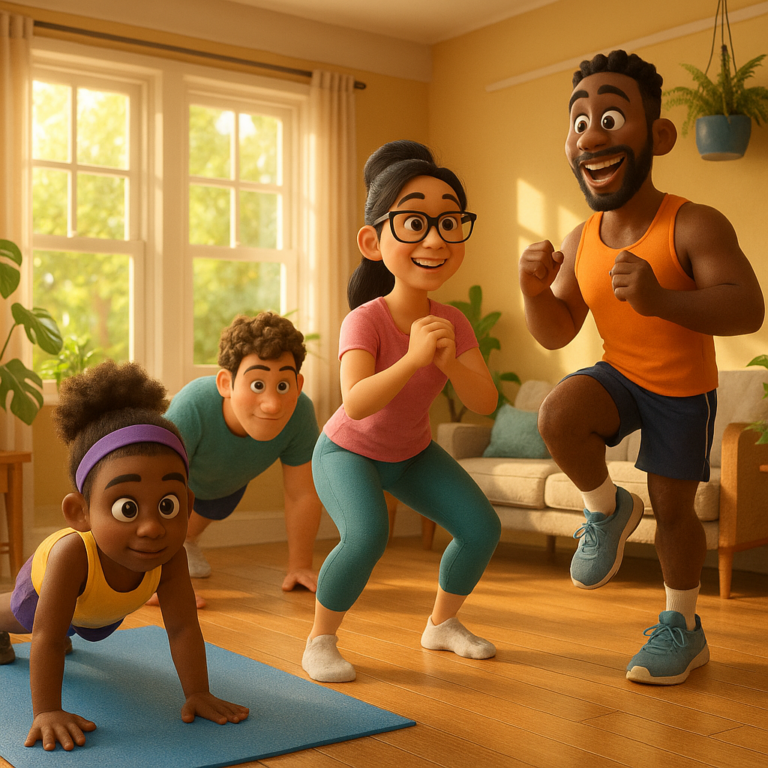 Can You Really Get Fit at Home Without Equipment?
In a world where gym memberships can be pricey and time-consuming, many are turning to home workouts as…
Can You Really Get Fit at Home Without Equipment?
In a world where gym memberships can be pricey and time-consuming, many are turning to home workouts as…
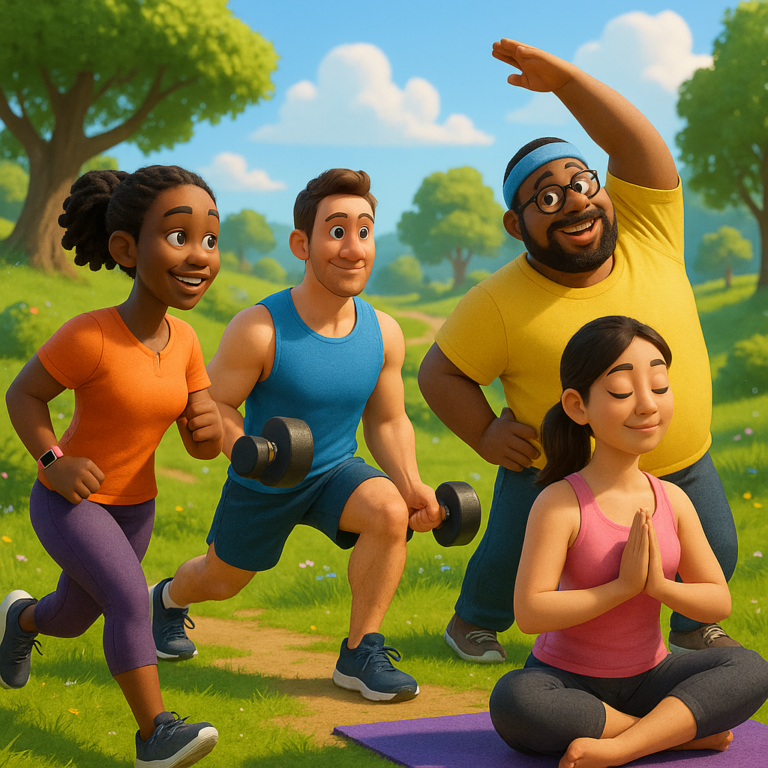 Is Your Workout Making You Weak? The Hidden Dangers of Strain
In our quest for fitness, we often forget that not all workouts are created equal. While pushing our…
Is Your Workout Making You Weak? The Hidden Dangers of Strain
In our quest for fitness, we often forget that not all workouts are created equal. While pushing our…
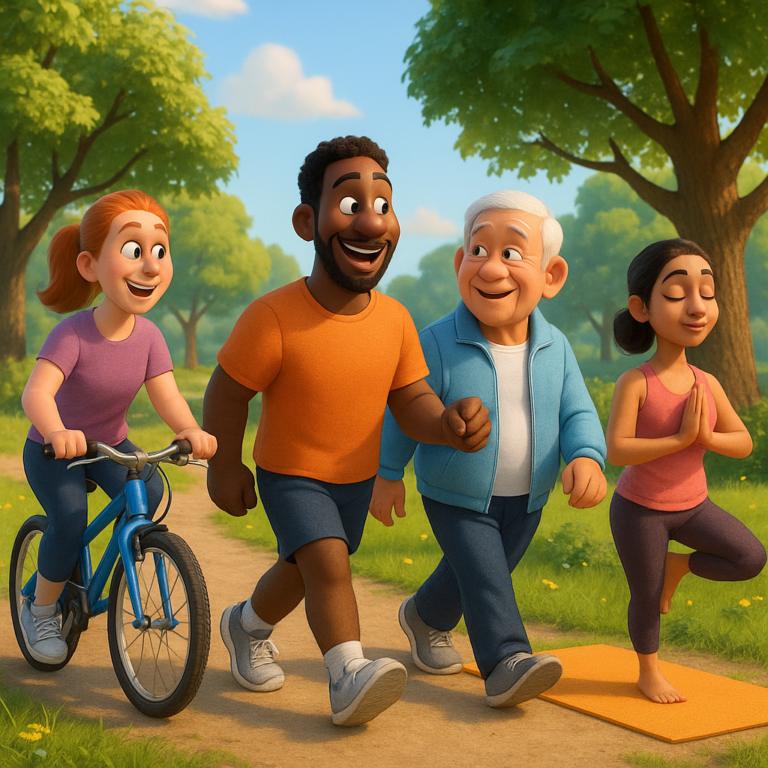 Can Your Workout Routine Transform Chronic Conditions?
Living with chronic conditions can feel overwhelming, but integrating a tailored workout routine into your daily life can…
Can Your Workout Routine Transform Chronic Conditions?
Living with chronic conditions can feel overwhelming, but integrating a tailored workout routine into your daily life can…
 Pillsbury Golden Layer Buttermilk Biscuits Artificial Flavor Refrigerated Dough
: Nutritional Analysis Overview The Pillsbury Golden Layer Buttermilk Biscuits…
Pillsbury Cinnamon Rolls With Icing Refrigerated Dough
Pillsbury Cinnamon Rolls With Icing Refrigerated Dough: Nutritional Analysis Overview The Pillsbury Cinnamon Rolls with Icing provide 330…
Kraft Foods Shake N Bake Original Recipe Coating For Pork Dry
Kraft Foods Shake N Bake Original Recipe Coating For Pork Dry: Nutritional Analysis Overview The Kraft Foods Shake…
Pillsbury Golden Layer Buttermilk Biscuits Artificial Flavor Refrigerated Dough
Pillsbury Golden Layer Buttermilk Biscuits Artificial Flavor Refrigerated Dough: Nutritional Analysis Overview The Pillsbury Golden Layer Buttermilk Biscuits…
Pillsbury Cinnamon Rolls With Icing Refrigerated Dough
Pillsbury Cinnamon Rolls With Icing Refrigerated Dough: Nutritional Analysis Overview The Pillsbury Cinnamon Rolls with Icing provide 330…
Kraft Foods Shake N Bake Original Recipe Coating For Pork Dry
Kraft Foods Shake N Bake Original Recipe Coating For Pork Dry: Nutritional Analysis Overview The Kraft Foods Shake…
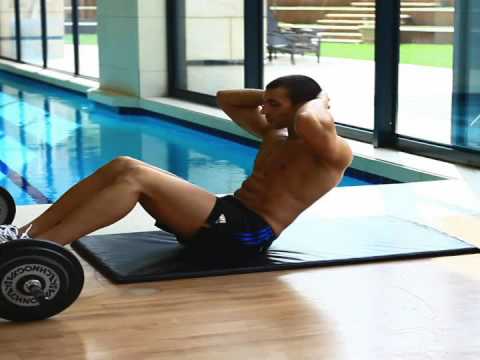 Sit ups
: Exercise Guide Overview Sit ups are a slow, controlled exercise focusing primarily on strengthening the abdominal…
Sit ups
Sit ups: Exercise Guide Overview Sit ups are a slow, controlled exercise focusing primarily on strengthening the abdominal…
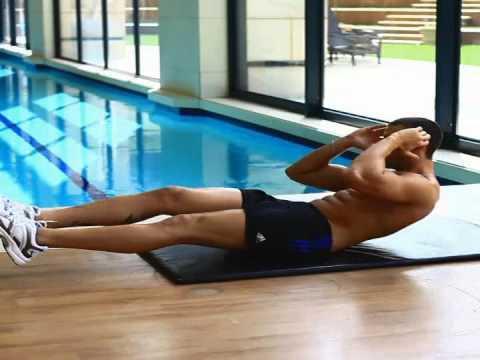 Alternating sit ups
: Exercise Guide Overview Alternating sit ups are a slow, controlled movement primarily targeting the abdominal…
Alternating sit ups
Alternating sit ups: Exercise Guide Overview Alternating sit ups are a slow, controlled movement primarily targeting the abdominal…
 Crunches
: Exercise Guide Overview Crunches are a slow, controlled exercise designed to strengthen the abdominal muscles. This movement…
Crunches
Crunches: Exercise Guide Overview Crunches are a slow, controlled exercise designed to strengthen the abdominal muscles. This movement…