
Is Your Body Ready for Change? Discover the Power of Movement
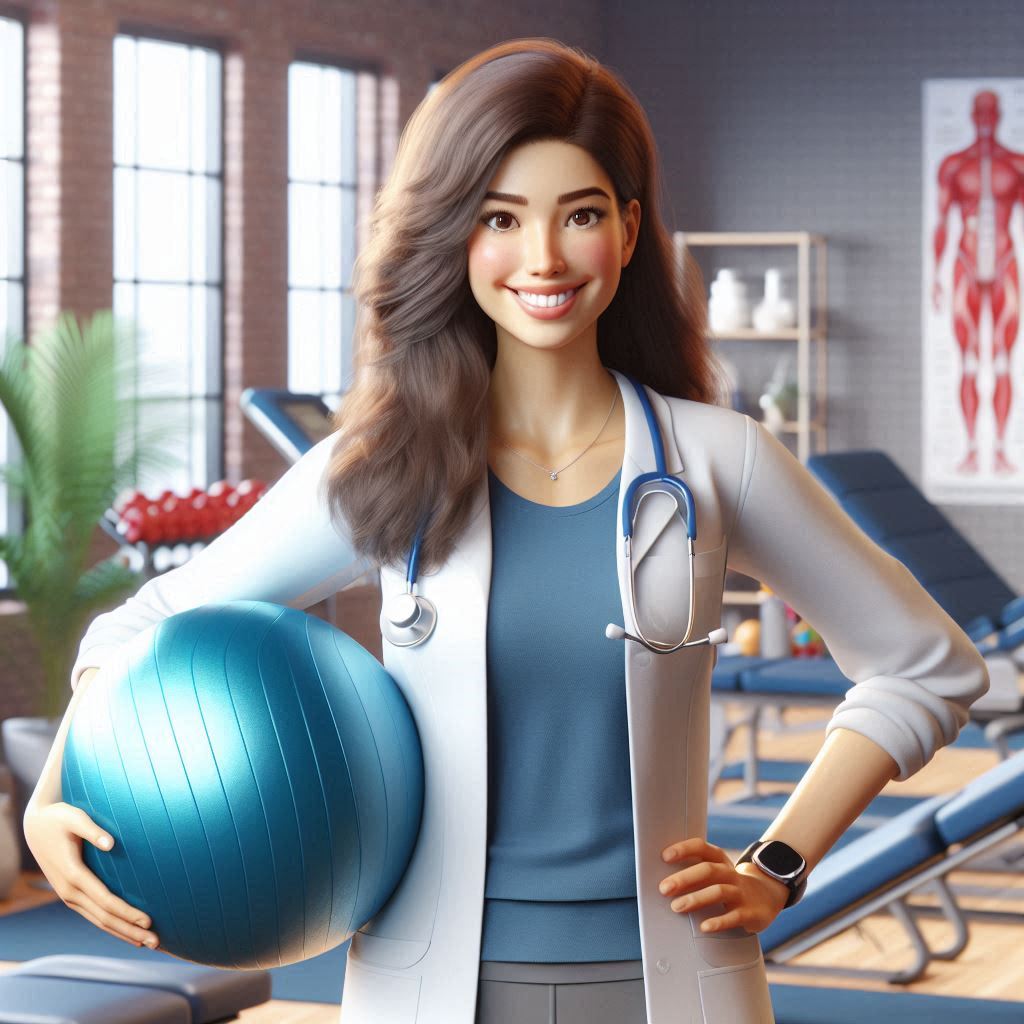 Biokineticist
Designs therapeutic exercise programs to improve movement and prevent injury.
Biokineticist
Designs therapeutic exercise programs to improve movement and prevent injury.
In a world where sedentary lifestyles are common, understanding the importance of movement is crucial for maintaining health and enhancing quality of life. Movement isn’t just about exercise; it’s about restoring function, preventing injury, and optimizing performance in daily activities and sports.
The Role of Biomechanics in Movement
Biomechanics is the study of how our bodies move and function. By understanding the mechanical aspects of movement, we can tailor exercise programs to meet individual needs, especially for those with chronic conditions or injuries.
Why Movement Matters
- Restoration of Function: For individuals recovering from injury or managing chronic conditions, movement helps to restore lost functions. It promotes healing and improves overall quality of life.
- Injury Prevention: Engaging in regular, well-designed exercise programs can significantly decrease the risk of injuries by improving strength, flexibility, and balance.
- Enhanced Athletic Performance: Athletes can maximize their potential by focusing on biomechanics. Tailored programs can improve efficiency, speed, and endurance.
Tailoring Exercise Programs
Creating an effective exercise program requires a comprehensive understanding of biomechanics. Here are key components to consider:
- Assessment: Begin with a thorough assessment of movement patterns, strengths, and weaknesses. This can include functional movement screenings and strength tests.
- Goal Setting: Establish clear, achievable goals tailored to the individual’s needs, whether it’s improving mobility, increasing strength, or enhancing athletic performance.
- Progression: Gradually increase the intensity and complexity of exercises. This not only helps in preventing injuries but also keeps the individual motivated and engaged.
- Incorporation of Variety: Include different types of exercises such as strength training, flexibility workouts, and cardiovascular activities. This can prevent boredom and promote overall fitness.
Real-World Examples
Consider the case of a 45-year-old man recovering from a knee injury. After a thorough assessment, a biokineticist develops a program focusing on:
- Strengthening the muscles around the knee
- Improving flexibility and range of motion
- Gradually introducing low-impact aerobic exercises
Over a few months, the individual reports not only a decrease in pain but also an increase in overall energy levels.
To further support the importance of movement, here are some trusted sources:
- Mayo Clinic: Exercise – Benefits and Tips
- WebMD: The Benefits of Exercise
- World Health Organization: Physical Activity
- CDC: Benefits of Physical Activity
Advice for Daily Movement: Start small. Incorporate short bouts of movement into your day, such as taking the stairs instead of the elevator or going for a quick walk during your lunch break. Remember, every little bit counts towards better health and well-being.
More articles for you
 Why Are You Still Not Swimming Faster? The Hidden Barriers
Swimming is often touted as one of the most rewarding forms of exercise, yet many swimmers find themselves…
Why Are You Still Not Swimming Faster? The Hidden Barriers
Swimming is often touted as one of the most rewarding forms of exercise, yet many swimmers find themselves…
 Could Nature Be Your Best Fitness Coach This Season?
When it comes to fitness, the great outdoors can offer a unique playground for all levels of enthusiasts.…
Could Nature Be Your Best Fitness Coach This Season?
When it comes to fitness, the great outdoors can offer a unique playground for all levels of enthusiasts.…
 How Outdoor Workouts Transform Your Fitness Journey?
Embracing the great outdoors can revolutionize your fitness routine. Natural environments offer unique opportunities to engage in strength,…
How Outdoor Workouts Transform Your Fitness Journey?
Embracing the great outdoors can revolutionize your fitness routine. Natural environments offer unique opportunities to engage in strength,…