
Engaging with Torah: Learning, Reflection, and Dialogue
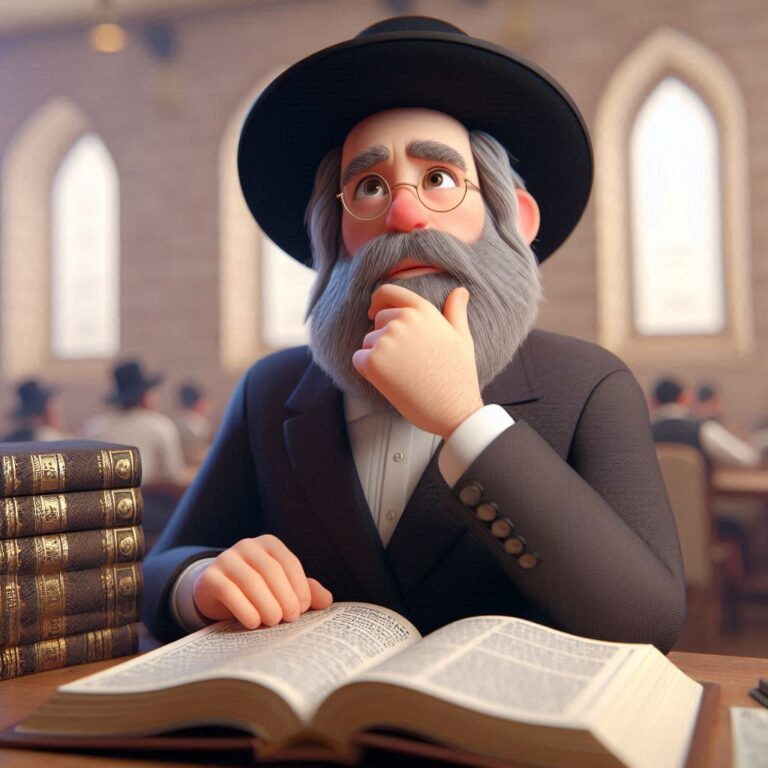 Talmudic Scholar
Shares in-depth legal and moral reasoning through rigorous Talmudic debate, offering clarity on complex spiritual and ethical issues.
Talmudic Scholar
Shares in-depth legal and moral reasoning through rigorous Talmudic debate, offering clarity on complex spiritual and ethical issues.
Introduction to Torah Learning
In the rich tapestry of Jewish tradition, the study of Torah serves as a central pillar, guiding our moral, ethical, and spiritual lives. The Torah, as we know, is not merely a text to be read, but a profound source of wisdom to be engaged with deeply. This article aims to explore the importance of Jewish learning, the sources from which we draw our understanding, and how best to prepare for meaningful discussions with a Rav (Rabbi).
The Foundations of Torah Learning
The Torah, encapsulated in the five books of Moshe (Moses), serves as the foundational text for all subsequent Jewish learning. From the creation narrative in Bereishit to the laws governing our daily lives in Vayikra, each parsha (weekly Torah portion) offers a wealth of insight and guidance.
Furthermore, the Oral Law, as preserved in the Mishnah and Gemara, expands upon the written Torah, providing clarity and depth to its commandments. As the Talmud states, “Torah study is equal to them all” (Kiddushin 40b), emphasizing the importance of continuous learning and dialogue.
The Role of Discussion in Learning
Engaging with Torah is not a solitary endeavor. The Talmud encourages debate and discussion, recognizing that through dialogue, we can arrive at a deeper understanding of the text. The famous phrase “two voices are better than one” reminds us of the value of diverse perspectives within our tradition.
In preparing to speak with a Rav, one should approach the conversation with an open heart and mind, ready to listen and learn. The questions you bring to the discussion can illuminate aspects of your own understanding and spiritual journey.
Practical Reflection Questions
- What specific topics or questions do I wish to discuss with my Rav?
- How have my life experiences shaped my understanding of the Torah?
- What insights from recent Torah readings resonate with my current spiritual state?
- Am I prepared to listen to different viewpoints and engage in respectful dialogue?
Sources of Wisdom: Torah and Beyond
As we delve into the Torah, it is essential to recognize that our tradition is rich with commentaries and interpretations. From Rashi’s insightful explanations to the profound thoughts of the Ramban and the Chafetz Chaim, each commentator offers a unique lens through which we can view the Torah.
Additionally, works such as the Shulchan Aruch and the Mishneh Torah provide practical applications of halacha (Jewish law) that guide our daily lives. Each source contributes to a multifaceted understanding of our faith and practice.
Respecting Differences Within the Tradition
It is crucial to acknowledge the diversity within Jewish thought and practice. Different communities may interpret the same texts in varying ways, reflecting the unique customs and traditions they uphold. This plurality enriches our collective understanding and demonstrates the dynamic nature of our faith.
As we engage in discussions, whether with a Rav or fellow learners, let us do so with respect for these differences. Each voice contributes to the broader conversation, and each perspective offers potential for growth and insight.
Preparing for Dialogue with a Rav
When preparing to speak with a Rav, consider the following steps to ensure a fruitful conversation:
- Clarify Your Intentions: Before the meeting, take time to reflect on your goals for the discussion. Are you seeking guidance on a specific halachic question, or are you looking for spiritual advice?
- Gather Relevant Texts: Bring along any pertinent texts or questions you wish to discuss. This preparation demonstrates your commitment to learning and allows for a more focused dialogue.
- Be Open to Learning: Approach the conversation with humility and a willingness to learn. Remember, the Rav is there to guide you, and their insights can lead to profound revelations.
- Practice Active Listening: During the discussion, listen attentively to the Rav’s responses. Active listening fosters a deeper understanding and encourages a respectful exchange of ideas.
- Follow-Up: After the conversation, take time to reflect on what you learned. If there are unresolved questions, consider scheduling a follow-up meeting.
Conclusion: The Journey of Jewish Learning
The path of Torah study and engagement is a lifelong journey. As we immerse ourselves in the texts, we find not only laws and commandments but also ethical guidance and spiritual nourishment. Each parsha invites us to reflect on our lives, our values, and our connections to the Divine.
As we prepare to speak with a Rav, let us do so with a spirit of inquiry and respect, embracing the rich diversity of our tradition. The dialogue we engage in can illuminate our paths and deepen our understanding of our faith.
May our learning be blessed, and may we continue to grow in wisdom and understanding as we walk the path of Torah together.
 Engaging with Torah: Preparing for Conversations with a Rav
Introduction: The Journey of Jewish Learning As we navigate the complexities of modern life, the teachings of our…
Engaging with Torah: Preparing for Conversations with a Rav
Introduction: The Journey of Jewish Learning As we navigate the complexities of modern life, the teachings of our…
 Engaging with Torah: Preparing for Conversations with Your Rav
Understanding Torah Sources and Jewish Learning In our journey through life, the Torah serves as our guiding light,…
Engaging with Torah: Preparing for Conversations with Your Rav
Understanding Torah Sources and Jewish Learning In our journey through life, the Torah serves as our guiding light,…
 The Art of Dialogue: Preparing to Speak with a Rav
Introduction: The Journey of Learning and Dialogue As we traverse the intricate pathways of Jewish learning, we find…
The Art of Dialogue: Preparing to Speak with a Rav
Introduction: The Journey of Learning and Dialogue As we traverse the intricate pathways of Jewish learning, we find…