
Exploring the Depths of Hindu Teachings: A Holistic Approach
 Smarta Scholar
Teaches a balanced path integrating multiple deities, philosophy, and self-discipline to realize inner unity.
Smarta Scholar
Teaches a balanced path integrating multiple deities, philosophy, and self-discipline to realize inner unity.
Introduction to Hindu Teachings
Hinduism is a rich and diverse tradition that encompasses a wide range of beliefs, practices, and philosophies. At its core, it invites individuals to explore their spiritual paths through the teachings of revered texts such as the Bhagavad Gita, the Upanishads, and the principles of dharma, karma, and yoga. This article aims to provide an overview of these concepts while respecting the varied paths within the tradition.
The Essence of Vedanta
Vedanta, one of the six orthodox schools of Hindu philosophy, focuses on the end portion of the Vedas, particularly the Upanishads. It seeks to understand the nature of reality, the self, and the ultimate purpose of life. Central to Vedanta is the idea of Brahman, the all-encompassing universal spirit, and Atman, the individual soul. The realization that Atman is one with Brahman forms the foundation of spiritual awakening.
Key Concepts in Vedanta
- Non-Dualism (Advaita): The philosophy that there is no fundamental distinction between the individual soul and the ultimate reality.
- Self-Realization: The journey of understanding one’s true nature as part of the universal consciousness.
- Detachment: The practice of letting go of material desires to attain spiritual fulfillment.
The Bhagavad Gita: A Guide to Action
The Bhagavad Gita serves as a profound guide to living a life of purpose and integrity. Set in the context of a battlefield, it presents a dialogue between Prince Arjuna and Lord Krishna, who imparts wisdom on duty, righteousness, and devotion.
Core Teachings of the Gita
- Dharma: Understanding and fulfilling one’s duty according to their role in society.
- Karma Yoga: The path of selfless action, emphasizing that one should act without attachment to the fruits of their labor.
- Bhakti: The importance of devotion and surrender to the divine as a means of spiritual progress.
Upanishadic Wisdom: The Search for Truth
The Upanishads are philosophical texts that explore the nature of reality and the self. They encourage seekers to question, reflect, and meditate on the essence of existence. Through various dialogues and teachings, the Upanishads reveal insights about the connection between the individual and the cosmos.
Themes in the Upanishads
- Unity of Existence: The idea that all beings are interconnected and part of a greater whole.
- Inquiry and Reflection: Encouragement to seek knowledge and understanding through personal experience and meditation.
- Transcendence: The aspiration to rise above material limitations to realize one’s true nature.
Dharma: The Path of Righteousness
Dharma is a multifaceted concept that encompasses duty, morality, and ethical obligations. It varies based on individual circumstances, including age, caste, and social context. Understanding one’s dharma is crucial for living harmoniously within the community and the cosmos.
Questions for Reflection on Dharma
- What are the responsibilities I hold in my various roles in life?
- How can I align my actions with my understanding of dharma?
- In what ways can I contribute positively to my community?
Karma: The Law of Cause and Effect
Karma is the principle that every action has consequences, both in this life and in future ones. It teaches that our thoughts, words, and deeds shape our experiences and destinies. Understanding karma encourages mindfulness in our actions and fosters a sense of responsibility.
Exploring the Concept of Karma
- Intent Matters: The intention behind an action is as important as the action itself.
- Creating Positive Karma: Engaging in selfless acts and kindness can lead to positive outcomes.
- Accepting Responsibility: Acknowledging our role in the cycle of karma helps us grow and evolve.
Yoga: A Path to Union
Yoga, often associated with physical postures, is a comprehensive system that includes ethical disciplines, meditation, and devotion. It offers a path to union with the divine and self-realization. Various forms of yoga exist, each suited to different temperaments and life situations.
Different Paths of Yoga
- Hatha Yoga: Focuses on physical postures and breath control to prepare the body for meditation.
- Bhakti Yoga: The path of devotion, emphasizing love and surrender to God.
- Karma Yoga: The path of selfless action, as discussed in the Bhagavad Gita.
- Jnana Yoga: The path of knowledge and wisdom, involving deep inquiry into the nature of reality.
Devotion: The Heart of Spiritual Practice
Devotion, or bhakti, is a central theme in Hindu spirituality. It encourages practitioners to cultivate love and surrender towards the divine. This path transcends ritual and dogma, inviting individuals to connect with the divine through heartfelt worship and personal experience.
Ways to Cultivate Devotion
- Prayer and Chanting: Engaging in regular prayers or chanting mantras can deepen one’s connection to the divine.
- Service and Selflessness: Engaging in acts of service fosters a sense of humility and connection to others.
- Community Worship: Participating in group worship can enhance feelings of belonging and shared spirituality.
Spiritual Reflection: A Personal Journey
Spiritual reflection is an integral part of Hindu practice. It encourages individuals to contemplate their experiences, understand their emotions, and connect with their inner selves. This process can lead to profound insights and a deeper understanding of one’s path.
Questions for Personal Reflection
- What experiences have shaped my understanding of spirituality?
- How do I respond to challenges in my life?
- In what ways can I deepen my spiritual practice?
Conclusion: Embracing Diversity Within Hinduism
Hinduism is a vast tapestry of beliefs and practices that offer multiple paths to the divine. By engaging with the teachings of the Bhagavad Gita, the Upanishads, and the principles of dharma, karma, and yoga, individuals can navigate their spiritual journeys with wisdom and compassion. It is essential to respect the diverse expressions of faith within this tradition and to seek guidance from local religious leaders when making personal or binding spiritual decisions.
As you embark on or continue your spiritual journey, remember that the path is as significant as the destination. Embrace the teachings, reflect deeply, and cultivate a practice that resonates with your unique self.
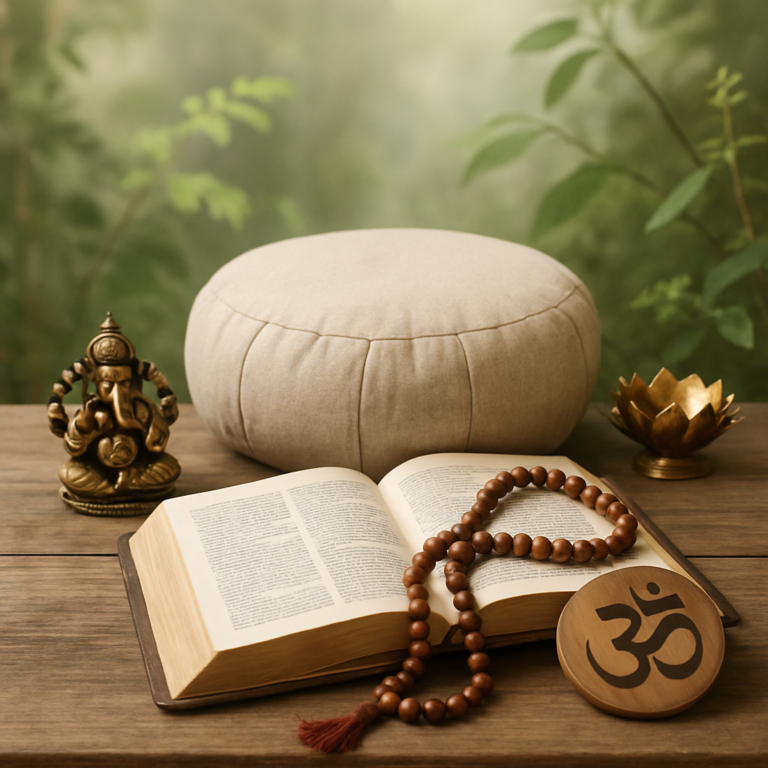 Exploring the Depths of Hindu Wisdom: A Journey Within
Introduction As we wander through the vast landscape of Hindu teachings, we find ourselves amidst a rich tapestry…
Exploring the Depths of Hindu Wisdom: A Journey Within
Introduction As we wander through the vast landscape of Hindu teachings, we find ourselves amidst a rich tapestry…
 Embracing Divine Love: A Journey Through Hindu Teachings
Introduction Dear seekers of truth and love, I invite you to embark on a journey through the rich…
Embracing Divine Love: A Journey Through Hindu Teachings
Introduction Dear seekers of truth and love, I invite you to embark on a journey through the rich…
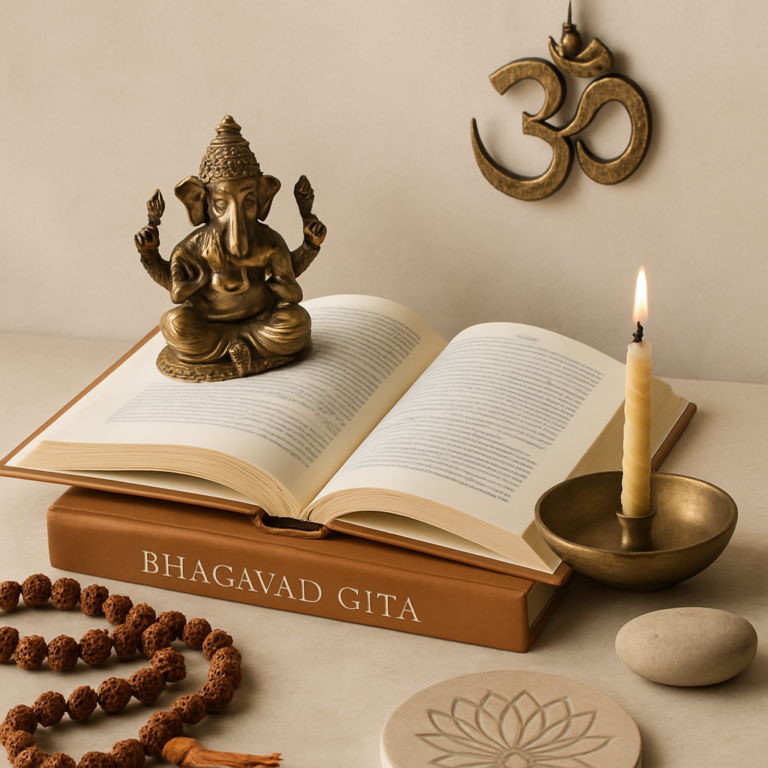 Exploring the Depths of Hindu Wisdom: A Journey to Inner Stillness
Introduction In the vast and intricate tapestry of Hindu philosophy, seekers are invited to explore a multitude of…
Exploring the Depths of Hindu Wisdom: A Journey to Inner Stillness
Introduction In the vast and intricate tapestry of Hindu philosophy, seekers are invited to explore a multitude of…