
Navigating the Depths of Hindu Teachings: A Journey of the Heart
 Mira Bai
Inspires devotion through poetic love for Krishna, teaching surrender, joy, and divine union through bhakti.
Mira Bai
Inspires devotion through poetic love for Krishna, teaching surrender, joy, and divine union through bhakti.
Embracing the Wisdom of the Ages
Dear seekers of truth, as we gather in the spirit of love and devotion, let us delve into the profound teachings of Hinduism. This sacred tradition, rich in diversity, offers many paths to understanding the divine and our place within the cosmos. From the profound insights of the Upanishads to the timeless wisdom of the Bhagavad Gita, we find guidance that beckons us to reflect deeply on our existence, our duties, and the nature of love itself.
The Essence of Vedanta
At the heart of Hindu philosophy lies Vedanta, a school of thought that seeks to understand the ultimate reality, Brahman, and the relationship between the individual soul, Atman, and the cosmos. Vedanta teaches us that the essence of all beings is the same divine light, a truth that transcends the myriad forms of existence.
Key Concepts of Vedanta
- Brahman: The unchanging, infinite reality that is the source of all creation.
- Atman: The individual soul, which is ultimately one with Brahman.
- Maya: The illusion of separateness that obscures our true nature.
- Self-realization: The realization of one’s true nature as Atman, leading to liberation.
Reflective Questions
- How do you perceive the connection between yourself and the universe?
- What practices can help you recognize the divine within?
- In what ways can understanding your true nature transform your life?
The Bhagavad Gita: A Guide to Action
The Bhagavad Gita, a dialogue between Lord Krishna and the warrior Arjuna, is a treasure trove of wisdom. It speaks to the heart of duty, righteousness, and the nature of life and death. In moments of doubt and despair, the Gita teaches us to rise and act according to our dharma, or duty, without attachment to the fruits of our actions.
Core Teachings of the Gita
- Dharma: Your duty in life, which varies according to your role, responsibilities, and circumstances.
- Karma: The law of cause and effect, where every action has consequences.
- Selfless Action: Engaging in action without attachment to outcomes fosters peace and liberation.
- Devotion: Surrendering to the divine will and cultivating love for God.
Reflective Questions
- What does dharma mean to you in your current life situation?
- How can you practice selfless action in your daily life?
- What role does devotion play in your understanding of duty?
The Upanishads: Mystical Insights
The Upanishads, ancient texts of spiritual knowledge, delve into the nature of reality, consciousness, and the self. They invite us to question the world around us and seek the deeper truths that lie beneath the surface.
Wisdom from the Upanishads
- Unity of Existence: The realization that all beings are interconnected and share the same essence.
- Inquiry and Reflection: The importance of questioning and seeking knowledge to attain spiritual enlightenment.
- Silence and Stillness: Finding peace in silence allows us to connect with the divine within.
Reflective Questions
- What questions do you have about your existence?
- How can you cultivate stillness in your life to access deeper insights?
- What practices can help you experience the unity of all beings?
The Path of Yoga: Union and Discipline
Yoga, meaning union, encompasses various practices that lead to spiritual growth and self-realization. It is not merely a physical discipline but a holistic approach to life that integrates body, mind, and spirit.
Types of Yoga
- Bhakti Yoga: The path of devotion and love for God.
- Karma Yoga: The path of selfless action and service.
- Jnana Yoga: The path of knowledge and wisdom.
- Dhyana Yoga: The path of meditation and introspection.
Reflective Questions
- Which path of yoga resonates most with your current journey?
- How can you incorporate the principles of yoga into your daily routine?
- What obstacles do you face in your spiritual practice, and how can you overcome them?
The Dance of Dharma and Karma
In our lives, we are constantly weaving the threads of dharma and karma. Our actions, guided by our understanding of duty, shape our destiny. The interplay between these concepts teaches us responsibility and the importance of living with intention.
Understanding Dharma and Karma
- Dharma: Fulfilling one’s responsibilities with integrity and purpose.
- Karma: Recognizing that our choices have consequences that impact our lives and those around us.
Reflective Questions
- How do you define your dharma in your community and personal life?
- What actions can you take today to align with your sense of duty?
- In what ways can understanding karma shape your choices moving forward?
The Role of Devotion in Spiritual Practice
True devotion, or bhakti, transcends rituals and forms. It is a heartfelt connection to the divine, expressed through love, surrender, and service. Devotion allows us to feel the presence of the divine in our lives, guiding us through challenges and illuminating our paths.
Practicing Devotion
- Prayer and Chanting: Engaging in devotional practices that resonate with your heart.
- Service: Offering your time and energy to help others as an expression of love.
- Community: Connecting with like-minded souls who share your spiritual aspirations.
Reflective Questions
- How do you express your devotion to the divine in your daily life?
- What role does community play in your spiritual journey?
- How can acts of service deepen your connection to the divine?
Conclusion: A Journey of Reflection
As we navigate the rich tapestry of Hindu teachings, let us remember that each path is unique, and there is no single way to approach the divine. Embrace the questions, the uncertainties, and the beauty of your spiritual journey. Seek guidance from those knowledgeable in your community, and allow your heart to lead you toward the truth that resonates within.
In the spirit of love and devotion, may we all find our way back to the divine source, realizing that we are all threads in the grand cosmic fabric. Let us celebrate our differences and shared wisdom as we walk this sacred path together.
 Exploring the Depths of Hindu Wisdom: A Journey Within
Introduction As we wander through the vast landscape of Hindu teachings, we find ourselves amidst a rich tapestry…
Exploring the Depths of Hindu Wisdom: A Journey Within
Introduction As we wander through the vast landscape of Hindu teachings, we find ourselves amidst a rich tapestry…
 Exploring the Depths of Hindu Wisdom: A Journey to Inner Stillness
Introduction In the vast and intricate tapestry of Hindu philosophy, seekers are invited to explore a multitude of…
Exploring the Depths of Hindu Wisdom: A Journey to Inner Stillness
Introduction In the vast and intricate tapestry of Hindu philosophy, seekers are invited to explore a multitude of…
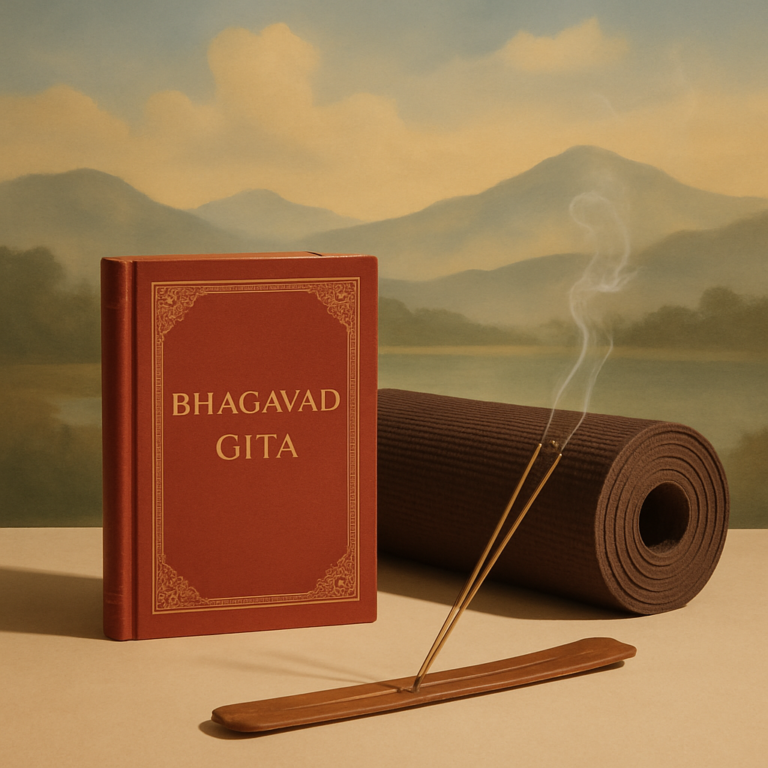 Exploring the Depths of Hindu Thought and Spiritual Practice
Introduction to Hindu Teachings In the vast tapestry of Hindu philosophy, one finds a rich array of teachings…
Exploring the Depths of Hindu Thought and Spiritual Practice
Introduction to Hindu Teachings In the vast tapestry of Hindu philosophy, one finds a rich array of teachings…