
Are You Eating Your Feelings? Identifying Emotional Eating Triggers
 Behavioral Weight Coach
Guides emotional eating, habit change, and mindset for long-term success.
Behavioral Weight Coach
Guides emotional eating, habit change, and mindset for long-term success.
Emotional eating is a common struggle for many men, often leading to unwanted weight gain and health issues. Understanding the emotional triggers behind our eating habits can pave the way for healthier choices and improved well-being. Let’s dive into how you can identify and manage these triggers for a better relationship with food.
Recognizing Emotional Eating Patterns
What Is Emotional Eating?
Emotional eating refers to consuming food in response to feelings rather than hunger. This can often lead to overeating and poor nutritional choices. Here are some common emotional triggers:
- Stress: Work pressure, relationship issues, or financial concerns can lead to seeking comfort in food.
- Boredom: Eating out of boredom can quickly turn into a habit.
- Loneliness: Isolation can prompt individuals to seek solace in food.
- Celebration: Ironically, positive emotions can also lead to emotional eating during celebrations or social gatherings.
Identifying Your Triggers
To effectively tackle emotional eating, it’s essential to identify your personal triggers. Consider these strategies:
- Keep a Food Diary: Write down what you eat, when you eat, and your emotional state at the time. This will help you spot patterns.
- Mindfulness Practice: Engage in mindfulness techniques to become more aware of your emotions before reaching for food.
- Reflect on Your Eating Habits: Ask yourself if you’re truly hungry or if you’re eating to cope with emotions.
Strategies for Managing Emotional Eating
Building Healthier Coping Mechanisms
Once you’ve identified your triggers, it’s time to develop healthier strategies:
- Exercise Regularly: Physical activity can reduce stress and improve your mood. Even a short walk can make a difference.
- Reach Out for Support: Talk to friends or family about your feelings instead of turning to food.
- Find Alternative Activities: Engage in hobbies or tasks that keep your mind off food, such as reading, gardening, or creative outlets.
Nutritional Psychology Insights
Incorporating nutritional psychology into your diet can enhance your overall well-being by focusing on foods that positively influence your mood and mental health. Here are some foods to consider:
- Omega-3 Fatty Acids: Found in fish, nuts, and seeds, they promote brain health and reduce anxiety. Mayo Clinic on Omega-3
- Fermented Foods: Yogurt and kimchi can boost gut health, which is linked to mood regulation. WebMD on Gut Health
- Dark Chocolate: In moderation, it can enhance mood due to its antioxidant properties. CDC on Healthy Eating
By understanding and managing emotional eating, you can develop a healthier relationship with food and improve your overall well-being. Remember that change takes time, and progress is more important than perfection.
Practical Advice
- Set Realistic Goals: Instead of aiming for drastic changes, focus on small, achievable goals related to both your emotional and eating habits.
- Celebrate Successes: Acknowledge when you manage to resist emotional eating and celebrate those victories, no matter how small.
- Seek Professional Help: If emotional eating is significantly impacting your life, consider talking to a professional for tailored guidance.
As we approach World Mental Health Day on October 10th, remember that mental health and physical health are intertwined. Taking steps to manage emotional eating can significantly impact your overall wellness.
For more information on emotional eating and mental health, check out these resources:
 Is Your Skin Ready for the Sun? Essential Tips to Protect It
Every summer, millions flock to beaches and parks, eager to soak up the sun. However, while sunlight can…
Is Your Skin Ready for the Sun? Essential Tips to Protect It
Every summer, millions flock to beaches and parks, eager to soak up the sun. However, while sunlight can…
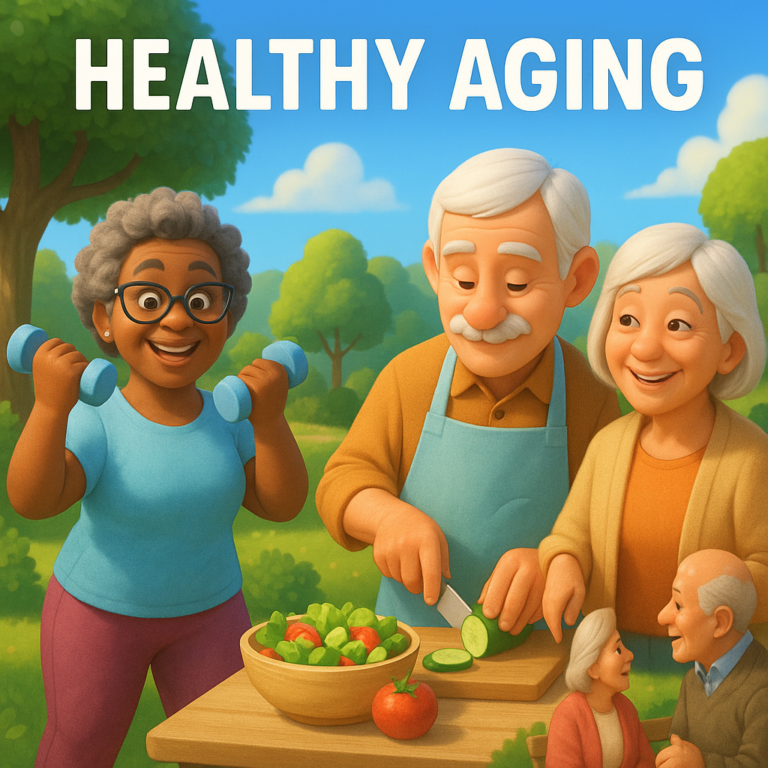 Are You Ready to Embrace Your Best Years Yet?
As we age, the journey of life offers us unique opportunities for growth, vitality, and fulfillment. Embracing this…
Are You Ready to Embrace Your Best Years Yet?
As we age, the journey of life offers us unique opportunities for growth, vitality, and fulfillment. Embracing this…
 What Your Urinary Health Says About Your Overall Wellbeing?
When it comes to health, the urinary tract often gets less attention than it deserves. Many people overlook…
What Your Urinary Health Says About Your Overall Wellbeing?
When it comes to health, the urinary tract often gets less attention than it deserves. Many people overlook…
 Pillsbury Golden Layer Buttermilk Biscuits Artificial Flavor Refrigerated Dough
: Nutritional Analysis Overview The Pillsbury Golden Layer Buttermilk Biscuits…
Pillsbury Cinnamon Rolls With Icing Refrigerated Dough
Pillsbury Cinnamon Rolls With Icing Refrigerated Dough: Nutritional Analysis Overview The Pillsbury Cinnamon Rolls with Icing provide 330…
Kraft Foods Shake N Bake Original Recipe Coating For Pork Dry
Kraft Foods Shake N Bake Original Recipe Coating For Pork Dry: Nutritional Analysis Overview The Kraft Foods Shake…
Pillsbury Golden Layer Buttermilk Biscuits Artificial Flavor Refrigerated Dough
Pillsbury Golden Layer Buttermilk Biscuits Artificial Flavor Refrigerated Dough: Nutritional Analysis Overview The Pillsbury Golden Layer Buttermilk Biscuits…
Pillsbury Cinnamon Rolls With Icing Refrigerated Dough
Pillsbury Cinnamon Rolls With Icing Refrigerated Dough: Nutritional Analysis Overview The Pillsbury Cinnamon Rolls with Icing provide 330…
Kraft Foods Shake N Bake Original Recipe Coating For Pork Dry
Kraft Foods Shake N Bake Original Recipe Coating For Pork Dry: Nutritional Analysis Overview The Kraft Foods Shake…
 Sit ups
: Exercise Guide Overview Sit ups are a slow, controlled exercise focusing primarily on strengthening the abdominal…
Sit ups
Sit ups: Exercise Guide Overview Sit ups are a slow, controlled exercise focusing primarily on strengthening the abdominal…
 Alternating sit ups
: Exercise Guide Overview Alternating sit ups are a slow, controlled movement primarily targeting the abdominal…
Alternating sit ups
Alternating sit ups: Exercise Guide Overview Alternating sit ups are a slow, controlled movement primarily targeting the abdominal…
 Crunches
: Exercise Guide Overview Crunches are a slow, controlled exercise designed to strengthen the abdominal muscles. This movement…
Crunches
Crunches: Exercise Guide Overview Crunches are a slow, controlled exercise designed to strengthen the abdominal muscles. This movement…