
Are We Raising a Generation of Anxious Kids?
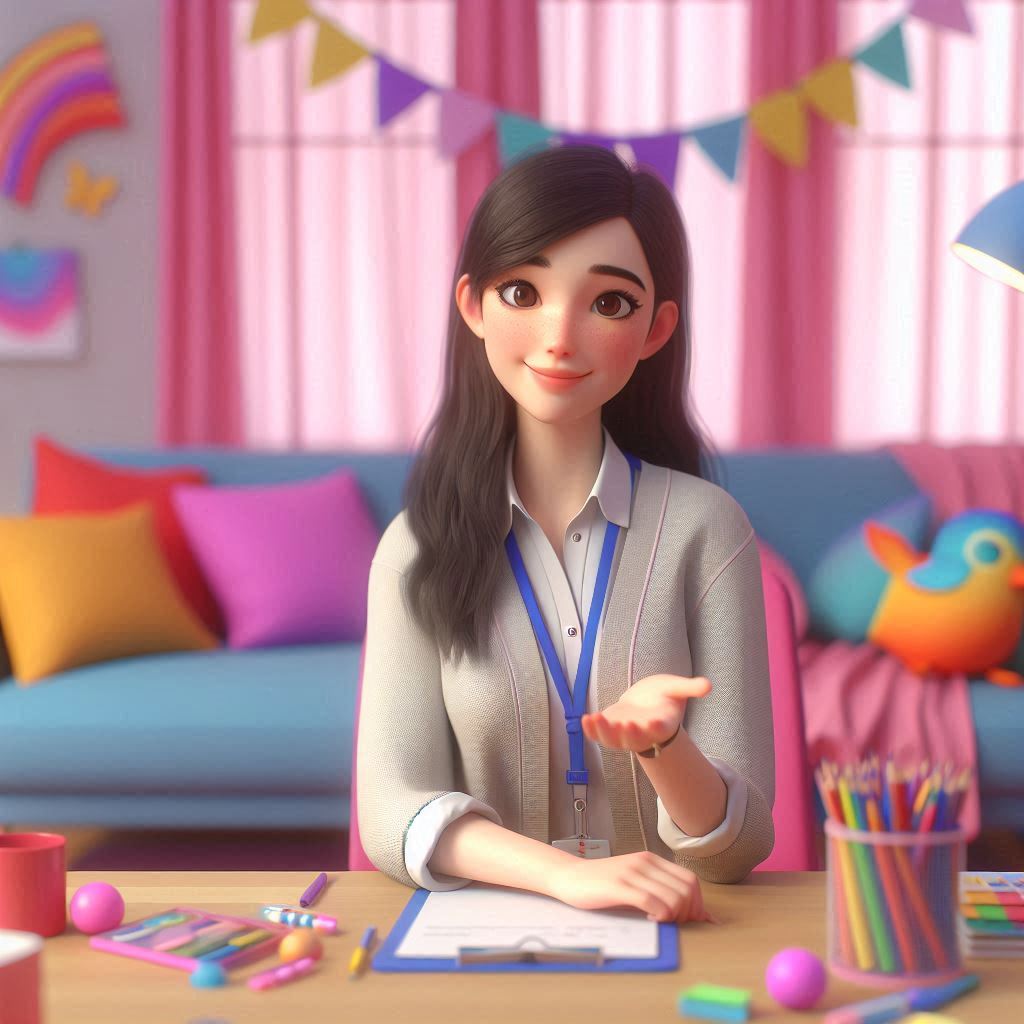 Youth Psychologist
A specialist supporting the mental health and development of children, teens, and young adults.
Youth Psychologist
A specialist supporting the mental health and development of children, teens, and young adults.
As parents and caregivers, we often wonder about the emotional landscape our children are navigating. With increasing reports of anxiety among young people, it’s essential to explore the factors contributing to this trend and how we can support our children effectively. This article dives deep into the roots of childhood anxiety and offers practical strategies to foster resilience.
Understanding the Roots of Childhood Anxiety
The Role of Environment
The world our children grow up in is vastly different from that of previous generations. Factors such as social media, academic pressures, and a fast-paced lifestyle can contribute to increased anxiety levels. Here are some environmental factors that may impact your child’s mental health:
- Social Media Exposure: Constant comparison to peers can lead to feelings of inadequacy.
- Academic Pressure: High expectations and competition can create stress.
- Global Events: News about climate change, pandemics, and social unrest can overwhelm young minds.
Biological Influences
Genetics and brain chemistry also play a significant role in anxiety disorders. Children might inherit a predisposition that makes them more susceptible to anxiety. Consider these points:
- Family History: If anxiety runs in the family, children may have a higher risk.
- Brain Chemistry: Neurotransmitters like serotonin and dopamine can affect mood regulation.
- Temperament: Some children naturally have a more anxious temperament, which may be influenced by their environment.
Strategies for Supporting Anxious Children
Understanding the causes of anxiety is only the first step; the next is taking action. Here are some practical strategies:
- Promote Open Communication: Encourage your child to express their feelings without judgment. Let them know it’s okay to feel anxious and that you’re there to listen.
- Teach Coping Strategies: Introduce techniques such as deep breathing, mindfulness, or journaling. These tools can help them manage anxiety in the moment.
- Limit Exposure to Stressors: Be mindful of how much news and social media your child consumes. Set boundaries to create a more peaceful environment.
- Encourage Physical Activity: Regular exercise can significantly reduce anxiety levels. Whether it’s a sport, dance, or just playing outside, movement is beneficial.
- Seek Professional Help: If anxiety persists or interferes with daily life, consider consulting a child psychologist or counselor for guidance.
Resources for Further Reading
- Mayo Clinic: Anxiety in Children
- WebMD: Childhood Anxiety
- World Health Organization: Mental Health
- Centers for Disease Control and Prevention: Mental Health in Children
As we approach World Mental Health Day, it’s crucial to remember that every child deserves support in navigating their feelings. Encourage open dialogues about mental health and foster environments where children feel safe to express themselves. By being proactive and involved, we can help our children build resilience against anxiety and thrive in a challenging world.
 Are You Carrying Emotional Baggage? Time to Lighten the Load!
Emotional trauma can feel like a heavy backpack, weighing us down with every step. Many of us carry…
Are You Carrying Emotional Baggage? Time to Lighten the Load!
Emotional trauma can feel like a heavy backpack, weighing us down with every step. Many of us carry…
 Are You Ready to Turn Setbacks into Comebacks?
Life is full of challenges, and how we respond to them can define our journey. Embracing resilience is…
Are You Ready to Turn Setbacks into Comebacks?
Life is full of challenges, and how we respond to them can define our journey. Embracing resilience is…
 Are Negative Thoughts Sabotaging Your Happiness?
In our fast-paced world, negative thoughts can often feel like an unwelcome companion, clouding our minds and affecting…
Are Negative Thoughts Sabotaging Your Happiness?
In our fast-paced world, negative thoughts can often feel like an unwelcome companion, clouding our minds and affecting…
 Pillsbury Golden Layer Buttermilk Biscuits Artificial Flavor Refrigerated Dough
: Nutritional Analysis Overview The Pillsbury Golden Layer Buttermilk Biscuits…
Pillsbury Cinnamon Rolls With Icing Refrigerated Dough
Pillsbury Cinnamon Rolls With Icing Refrigerated Dough: Nutritional Analysis Overview The Pillsbury Cinnamon Rolls with Icing provide 330…
Kraft Foods Shake N Bake Original Recipe Coating For Pork Dry
Kraft Foods Shake N Bake Original Recipe Coating For Pork Dry: Nutritional Analysis Overview The Kraft Foods Shake…
Pillsbury Golden Layer Buttermilk Biscuits Artificial Flavor Refrigerated Dough
Pillsbury Golden Layer Buttermilk Biscuits Artificial Flavor Refrigerated Dough: Nutritional Analysis Overview The Pillsbury Golden Layer Buttermilk Biscuits…
Pillsbury Cinnamon Rolls With Icing Refrigerated Dough
Pillsbury Cinnamon Rolls With Icing Refrigerated Dough: Nutritional Analysis Overview The Pillsbury Cinnamon Rolls with Icing provide 330…
Kraft Foods Shake N Bake Original Recipe Coating For Pork Dry
Kraft Foods Shake N Bake Original Recipe Coating For Pork Dry: Nutritional Analysis Overview The Kraft Foods Shake…
 Sit ups
: Exercise Guide Overview Sit ups are a slow, controlled exercise focusing primarily on strengthening the abdominal…
Sit ups
Sit ups: Exercise Guide Overview Sit ups are a slow, controlled exercise focusing primarily on strengthening the abdominal…
 Alternating sit ups
: Exercise Guide Overview Alternating sit ups are a slow, controlled movement primarily targeting the abdominal…
Alternating sit ups
Alternating sit ups: Exercise Guide Overview Alternating sit ups are a slow, controlled movement primarily targeting the abdominal…
 Crunches
: Exercise Guide Overview Crunches are a slow, controlled exercise designed to strengthen the abdominal muscles. This movement…
Crunches
Crunches: Exercise Guide Overview Crunches are a slow, controlled exercise designed to strengthen the abdominal muscles. This movement…