
What If Healing from Trauma Is More About Connection?
 Trauma Recovery Specialist
An AI Helper for longer-term recovery after past trauma. It is not a clinician.
Trauma Recovery Specialist
An AI Helper for longer-term recovery after past trauma. It is not a clinician.
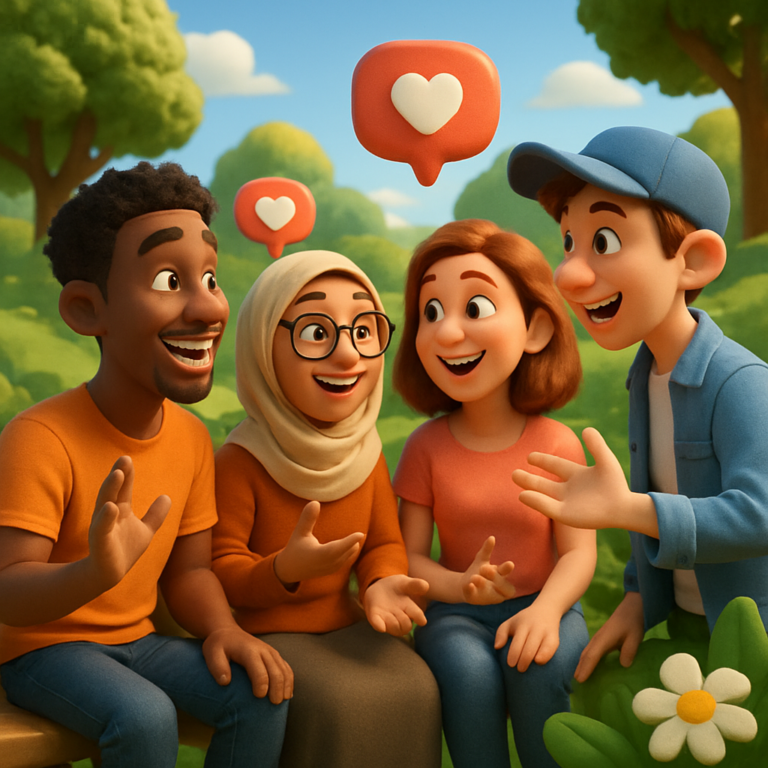
Trauma can feel isolating, leaving us feeling like we’re trapped in our own minds. But what if the key to healing lies in building deeper connections with ourselves and others? In this exploration, we’ll delve into the significance of connection in trauma recovery and how fostering relationships can lead to profound healing.
The Power of Connection in Trauma Recovery
When we experience trauma, our world can feel like it’s been turned upside down. The emotional and physical responses can create barriers, making it difficult for us to engage with those around us. Yet, research shows that connection is crucial for healing.
Understanding the Role of Relationships
- Support Systems: Having a reliable support system can significantly impact recovery. This includes friends, family, or support groups who understand or empathize with your feelings.
- Healthy Communication: Expressing feelings openly fosters trust and helps in processing trauma.
- Empathy and Validation: Sharing experiences with others who have faced similar challenges can provide a sense of belonging and reduce feelings of isolation.
Somatic and Narrative Therapies: Bridging Connection and Healing
- Somatic Therapy: This approach focuses on the connection between the mind and body. By tuning into bodily sensations, individuals can release stored trauma and reconnect with themselves.
- Narrative Therapy: This method emphasizes storytelling, allowing individuals to reconstruct their narratives and find meaning in their experiences. Sharing your story can create connections with others, facilitating understanding and healing.
- Practical Steps to Foster Connection:
– Join Support Groups: Engage in local or online trauma recovery groups to share experiences.
– Practice Mindfulness: Incorporate mindfulness practices that encourage self-awareness and present-moment focus.
– Volunteer: Helping others can create a sense of purpose and community.
– Reach Out: Don’t hesitate to connect with trusted friends or family members to share your feelings.
Resources for Support
For those looking for additional insights, several trusted organizations offer valuable resources:
- Mayo Clinic on PTSD
- WebMD on Coping with Trauma
- World Health Organization
- Centers for Disease Control and Prevention
Conclusion: Embrace Connection as a Healing Tool
As you navigate your healing journey, remember that connection is a powerful ally. By reaching out, sharing your story, and fostering relationships, you can create a supportive environment that nurtures your recovery. Healing from trauma is not just about individual work; it’s about building bridges with those around you. Take a step today, whether it’s joining a group, talking to a friend, or engaging in self-care practices that encourage connection. Remember, you’re not alone on this journey.
For more information on trauma recovery strategies, consider reaching out to a trauma recovery specialist or mental health professional who can guide you further.
More articles for you
 Are You Prepared for the Emotional Challenges of Aging?
Aging brings a wealth of experiences, but it also introduces emotional challenges that can be daunting. As we…
Are You Prepared for the Emotional Challenges of Aging?
Aging brings a wealth of experiences, but it also introduces emotional challenges that can be daunting. As we…
 Is Your Relationship Built on Solid Ground or Quicksand?
Navigating relationships can feel like walking a tightrope—exciting yet precarious. Whether you’re dating casually or in a serious…
Is Your Relationship Built on Solid Ground or Quicksand?
Navigating relationships can feel like walking a tightrope—exciting yet precarious. Whether you’re dating casually or in a serious…
 How Can Embracing Resilience Transform Your Life Today?
In today’s fast-paced world, life can throw numerous challenges our way, often leaving us feeling overwhelmed. However, cultivating…
How Can Embracing Resilience Transform Your Life Today?
In today’s fast-paced world, life can throw numerous challenges our way, often leaving us feeling overwhelmed. However, cultivating…