
Søren Kierkegaard
Explored anxiety, despair, faith, choice, irony, and the single individual before God and society.
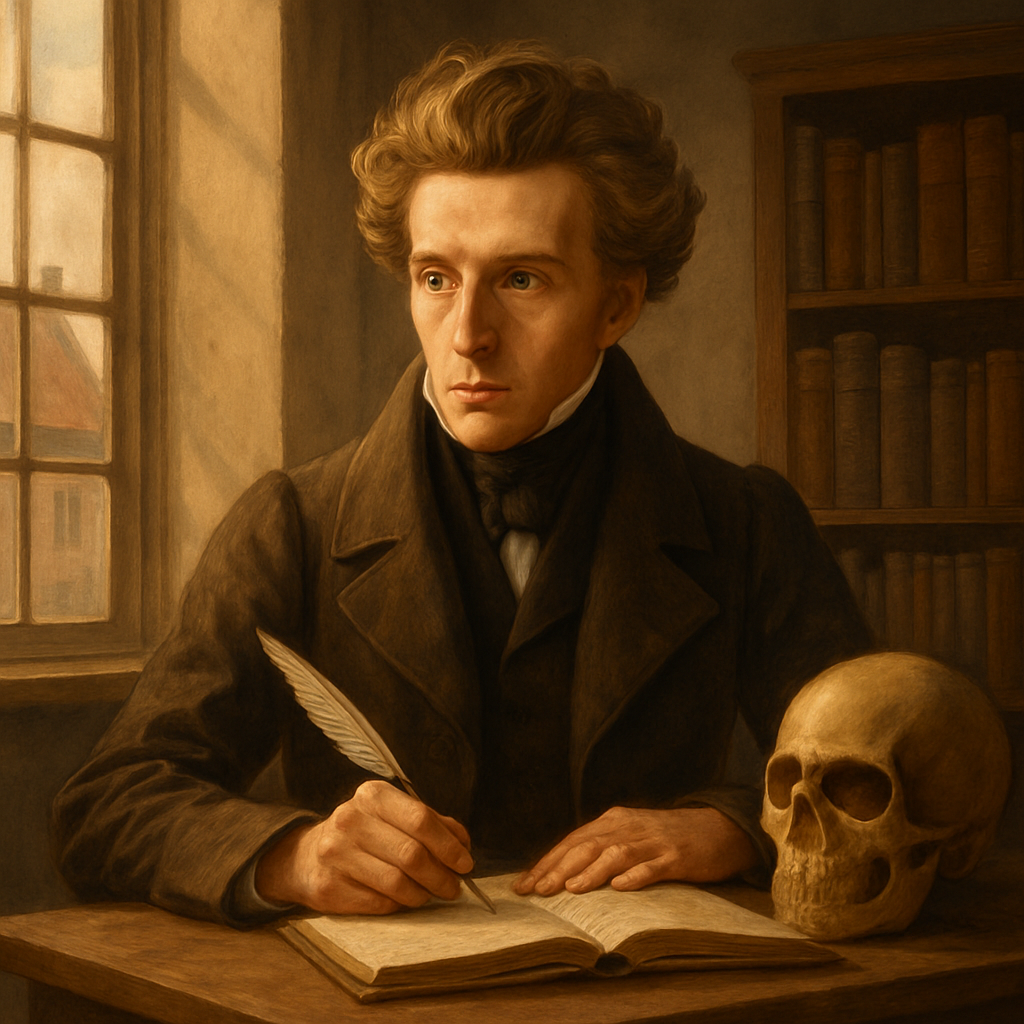
Life and thought
Examines anxiety, faith, choice, despair, individuality, and authentic existence with psychological and spiritual intensity.
Søren Kierkegaard is presented in the Thought archive through philosophy, danish, denmark, modern. The recorded life dates are 1813–1855. The profile connects this work to Existentialism, Psychology, Religion & Mysticism, Western Philosophy.
The central questions gathered here concern leap of faith, anxiety, despair, stages of life, subjective truth. Together they show the recurring problems, methods, and distinctions that define this thinker’s contribution.
Søren Kierkegaard developed within an intellectual conversation shaped by Socrates, Christianity, Hegelianism as target. These names provide context for the traditions and problems surrounding the work; they do not imply simple agreement.
The surviving reading path begins with Either/Or, Fear and Trembling, The Sickness Unto Death, Concluding Unscientific Postscript. The recorded legacy extends toward existentialism, theology, psychology, Camus, Sartre.
Five Defining Theories
The central ideas, methods, and arguments that give this thinker’s work its distinctive shape.
leap of faith
A central idea in this thinker’s work, method, and intellectual legacy.
anxiety
A central idea in this thinker’s work, method, and intellectual legacy.
despair
A central idea in this thinker’s work, method, and intellectual legacy.
stages of life
A central idea in this thinker’s work, method, and intellectual legacy.
subjective truth
A central idea in this thinker’s work, method, and intellectual legacy.
Life journey
A structured path through the verified context attached to this profile.
Context
1813–1855 · Denmark · Modern
Intellectual formation
The recorded influences include Socrates, Christianity, Hegelianism as target.
Defining ideas
The profile centres on leap of faith, anxiety, despair, stages of life, subjective truth.
The work
A reading path through Either/Or, Fear and Trembling, The Sickness Unto Death, Concluding Unscientific Postscript.
Lasting influence
The recorded influence reaches existentialism, theology, psychology, Camus, Sartre.
In time
Major Works
Texts through which the thinker’s ideas entered the wider intellectual record.
Either/Or
This work matters because it carries a central part of the thinker’s method, argument, or intellectual legacy into a form readers can examine directly.
Fear and Trembling
This work matters because it carries a central part of the thinker’s method, argument, or intellectual legacy into a form readers can examine directly.
The Sickness Unto Death
This work matters because it carries a central part of the thinker’s method, argument, or intellectual legacy into a form readers can examine directly.
Concluding Unscientific Postscript
This work matters because it carries a central part of the thinker’s method, argument, or intellectual legacy into a form readers can examine directly.
Influence network
Trace the intellectual lineage into and beyond this thinker.
Selected quotations
Life can only be understood backwards.
It must be lived forwards.
Anxiety is the dizziness of freedom.
The crowd is untruth.
Purity of heart is to will one thing.
Schools of thought
Existentialism
Explore the thinkers and ideas connected to this tradition.
Explore school P40 thinkersPsychology
Explore the thinkers and ideas connected to this tradition.
Explore school R84 thinkersReligion & Mysticism
Explore the thinkers and ideas connected to this tradition.
Explore school W91 thinkersWestern Philosophy
Explore the thinkers and ideas connected to this tradition.
Explore schoolConnected Thinkers
D.T. Suzuki
SharedPsychology · Religion & Mysticism
View thinker →
Kitaro Nishida
SharedReligion & Mysticism · Philosophy · Modern
View thinker →
Dōgen
SharedReligion & Mysticism · Philosophy · Modern
View thinker →
Zhuangzi
SharedReligion & Mysticism · Philosophy
View thinker →
Sarvepalli Radhakrishnan
SharedReligion & Mysticism · Philosophy
View thinker →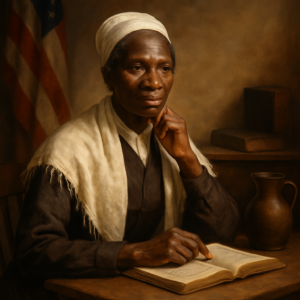
Sojourner Truth
SharedReligion & Mysticism · Modern
View thinker →Featured Debates
See how Søren Kierkegaard’s perspective changes when it meets another mind.

Does Faith in Healthcare Conflict with Rational Medical Practices?
In a world where medical science advances at a rapid pace, the intersection of faith and rationality in healthcare remains a contentious topic. This debate seeks…
View Debate →

The Ethical Implications of Human Autonomy in Technological Advancements
In the rapidly advancing age of technology, the importance of preserving human autonomy and dignity is being increasingly challenged by the allure of technological solutions that…
View Debate →
Does Military Intervention Ever Truly Secure Lasting Peace?
The question of whether military intervention can ever truly secure lasting peace has long been a contentious issue. In this debate, Judah Magnes, a proponent of…
View Debate →

Is Homeschooling a Viable Alternative to Traditional Education Systems?
In an era where traditional education systems are increasingly scrutinized, the question of whether homeschooling presents a viable alternative gains prominence. This debate brings together the…
View Debate →Continue the conversation with Søren Kierkegaard.
Test an assumption, explore an idea, or bring this perspective into dialogue with a council of other thinkers.