
Is Your Workspace Sabotaging Your Recovery? Discover the Truth!
 Physiotherapist
Helps with injury recovery, mobility improvement, and physical therapy.
Physiotherapist
Helps with injury recovery, mobility improvement, and physical therapy.
In today’s fast-paced world, many people find themselves spending hours at a desk, often compromising their health and recovery. Poor ergonomics can lead to significant discomfort and hinder the healing process. Understanding how to optimize your workspace can pave the way for better recovery and improved mobility.
The Impact of Ergonomics on Recovery
Why Ergonomics Matter for Your Health
Ergonomics is the science of designing the workspace to fit the individual, thereby reducing strain and enhancing comfort. Here are some reasons why it’s crucial:
- Prevention of Injuries: Poor ergonomics can cause repetitive strain injuries (RSIs) and musculoskeletal disorders.
- Enhanced Comfort: A well-designed workspace promotes better posture and reduces fatigue.
- Increased Productivity: Comfort directly correlates with efficiency; when you feel good, you work better.
Key Components of an Ergonomic Workspace
To create an ergonomic workspace that supports your recovery, consider the following:
- Chair Height: Your feet should rest flat on the ground, thighs parallel to the floor.
- Desk Height: Adjust your desk so that your elbows are at a 90-degree angle when typing.
- Monitor Position: The top of your screen should be at or just below eye level, about an arm’s length away.
- Keyboard and Mouse Placement: Keep them within easy reach, allowing your wrists to remain straight.
- Lighting: Ensure your workspace is well-lit to avoid eye strain, minimizing glare on your screen.
Incorporating these elements can significantly affect how your body responds to prolonged sitting or repetitive movements.
Practical Tips for Improvement
Adopting ergonomic practices doesn’t have to be overwhelming. Here are some practical steps:
- Take Regular Breaks: Set a timer to remind you to stand up and stretch every 30 minutes.
- Use a Standing Desk: If possible, alternate between sitting and standing to reduce prolonged pressure on your back.
- Incorporate Movement: Simple exercises can enhance mobility and reduce stiffness. Try incorporating stretches specifically targeting the neck, shoulders, and back.
- Seek Professional Guidance: Consider consulting a physiotherapist who can tailor an exercise program specific to your needs, especially if you’re recovering from an injury.
For more information on ergonomics and workplace health, check these resources from trusted sources: Mayo Clinic, WebMD, World Health Organization, and Centers for Disease Control and Prevention.
Conclusion
Being proactive about your workspace can significantly enhance your recovery journey. Small changes can lead to remarkable improvements in comfort and mobility. Remember, your environment plays a critical role in how your body responds to everyday tasks. Prioritize ergonomics not just for productivity but for your overall health.
Advice: Start today by evaluating your workspace. Make at least one change to improve your ergonomics and observe how it affects your comfort and recovery process.
More articles for you
 Can Simple Changes Enhance Wellness During Cancer Treatment?
Facing cancer can feel overwhelming, but small changes can significantly enhance your quality of life during treatment. This…
Can Simple Changes Enhance Wellness During Cancer Treatment?
Facing cancer can feel overwhelming, but small changes can significantly enhance your quality of life during treatment. This…
 Can Simple Changes Help Tame Your Chronic Pain?
Chronic pain can feel overwhelming, but small lifestyle adjustments may offer significant relief. Many people unknowingly contribute to…
Can Simple Changes Help Tame Your Chronic Pain?
Chronic pain can feel overwhelming, but small lifestyle adjustments may offer significant relief. Many people unknowingly contribute to…
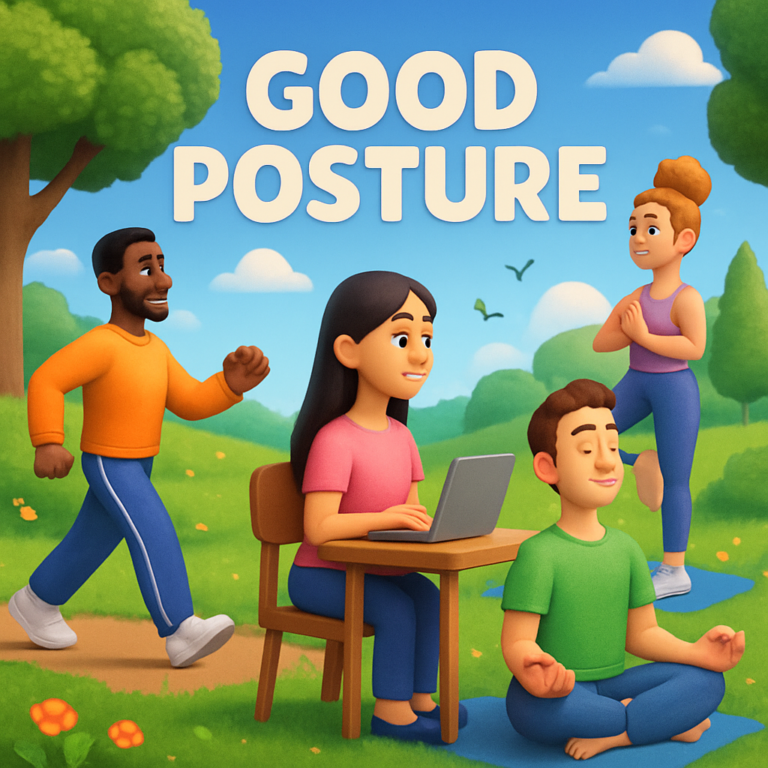 Is Your Posture Sabotaging Your Health? Discover the Truth
In our fast-paced world, many of us spend hours hunched over screens, often neglecting our posture. This seemingly…
Is Your Posture Sabotaging Your Health? Discover the Truth
In our fast-paced world, many of us spend hours hunched over screens, often neglecting our posture. This seemingly…
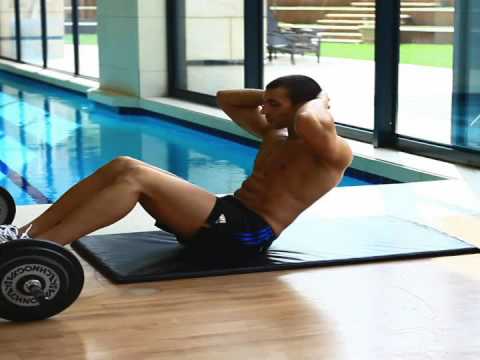 Sit ups
: Exercise Guide Overview Sit ups are a slow, controlled exercise focusing primarily on strengthening the abdominal…
Sit ups
Sit ups: Exercise Guide Overview Sit ups are a slow, controlled exercise focusing primarily on strengthening the abdominal…
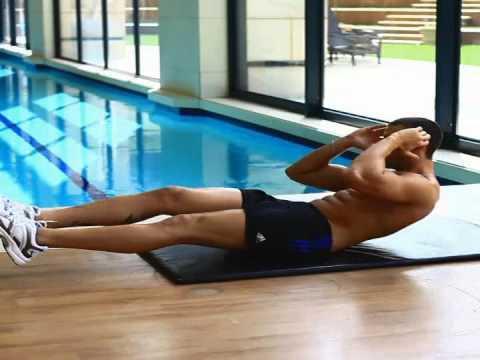 Alternating sit ups
: Exercise Guide Overview Alternating sit ups are a slow, controlled movement primarily targeting the abdominal…
Alternating sit ups
Alternating sit ups: Exercise Guide Overview Alternating sit ups are a slow, controlled movement primarily targeting the abdominal…
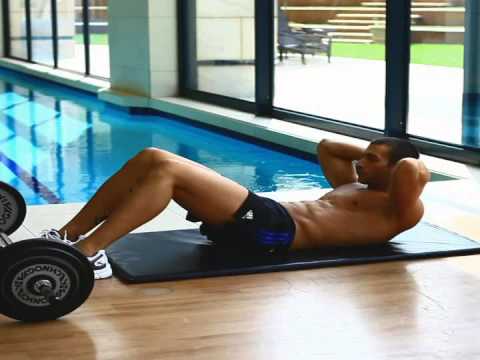 Crunches
: Exercise Guide Overview Crunches are a slow, controlled exercise designed to strengthen the abdominal muscles. This movement…
Crunches
Crunches: Exercise Guide Overview Crunches are a slow, controlled exercise designed to strengthen the abdominal muscles. This movement…