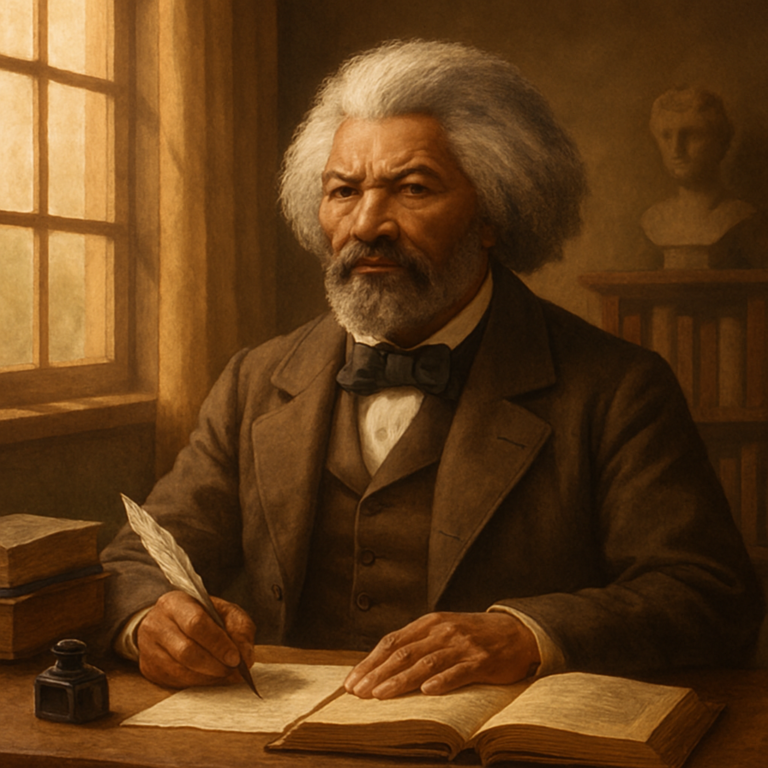
The Nature of Power: An Exploration of Virtù and Fortuna
The Nature of Power: An Exploration of Virtù and Fortuna
In the realm of political philosophy, few concepts are as compelling yet complex as the nature of power. As we navigate the intricate landscape of governance, leadership, and human behavior, we must grapple with the dual forces that shape our destinies: virtù and fortuna. These two elements, while distinct, intertwine in a manner that demands our thoughtful examination. In this essay, we shall explore these concepts through a Machiavellian lens, seeking to understand their practical implications and the ethical questions they evoke.
Understanding Virtù and Fortuna
At the heart of Machiavelli’s political thought lies the notion of virtù, which encompasses a leader’s qualities, skills, and capacities to shape circumstances to their advantage. It is not merely about moral virtue; rather, it encompasses a range of attributes including decisiveness, cunning, and the ability to adapt to changing environments. A ruler endowed with virtù can navigate the treacherous waters of politics and maintain control over their dominion.
In contrast, fortuna refers to the unpredictable nature of chance and fate. It represents the external forces that can disrupt even the most meticulously crafted plans. Machiavelli famously likens fortuna to a river that can flood and destroy, overwhelming those who are unprepared. However, it is essential to note that fortuna is not entirely capricious; it can be influenced by the actions of individuals possessing virtù. The interplay between these two forces raises profound questions about agency, responsibility, and the very nature of leadership.
The Interplay of Virtù and Fortuna
The relationship between virtù and fortuna invites us to ponder significant philosophical questions. Can one truly master fortune through skill and strategy? Or is the pursuit of power ultimately a futile endeavor in the face of life’s inherent uncertainties? Machiavelli seems to suggest that while fortune may be fickle, a ruler’s virtù can mitigate its adverse effects. This perspective calls for a pragmatic approach to leadership, where adaptability and strategic foresight become paramount.
- Agency vs. Determinism: The tension between virtù and fortuna raises questions about human agency. If fortune plays a determinative role in our lives, to what extent can individuals be held accountable for their success or failure? Furthermore, how does this interplay influence our understanding of justice and ethics within political systems?
- Preparation and Opportunity: Machiavelli emphasizes the importance of preparation. A leader with virtù recognizes the potential for fortune’s intervention and positions themselves accordingly. This raises an ethical dilemma: does the pursuit of power justify the means employed, especially if those means involve manipulation or deceit?
- The Role of Chance: While virtù can enable a leader to navigate fortune, chance will inevitably play a role. How does one reconcile the unpredictability of chance with the moral responsibility of leadership? This tension can lead to a deeper understanding of the human condition and the limitations of human agency.
Ethical Implications of Virtù
To explore the ethical dimensions of virtù is to confront the question of morality in leadership. Machiavelli’s pragmatic approach often leads to a disconcerting conclusion: the ends can justify the means. This notion is not without its critics. Thinkers such as Kant argue that morality should be grounded in duty and principle rather than outcomes. Yet, Machiavelli urges us to consider the complexities of political life, where idealism may hinder effective governance.
Consider the contemporary political landscape, where leaders often grapple with ethical dilemmas. The Machiavellian perspective encourages us to evaluate their decisions not solely through the lens of morality but through the effectiveness of their virtù in addressing the challenges posed by fortuna. This raises further inquiries:
- What sacrifices are acceptable in the pursuit of political stability and security?
- To what extent should leaders manipulate circumstances to achieve their goals?
- Is it possible to maintain ethical integrity while exercising power?
Practical Implications for Leadership
As we reflect on the interplay between virtù and fortuna, it becomes evident that the implications extend beyond theoretical discourse. In practical terms, leaders must cultivate virtù while remaining cognizant of the unpredictable nature of fortuna. This dual focus necessitates a strategic mindset that embraces flexibility and resilience.
We can draw parallels with modern leadership models that emphasize adaptability in the face of uncertainty. The concept of agile leadership, for instance, mirrors Machiavelli’s emphasis on virtù as a means of responding effectively to changing circumstances. Leaders today must navigate a landscape marked by rapid technological advancements, shifting societal norms, and global crises. The ability to anticipate and respond to these challenges is a hallmark of effective governance.
Counterarguments and Alternative Perspectives
While Machiavelli’s insights provide a valuable framework for understanding power dynamics, it is essential to engage with counterarguments and alternative perspectives. Critics of Machiavellian thought often highlight the dangers of moral relativism and the potential for tyranny. They argue that prioritizing power and effectiveness over ethical considerations can lead to a dehumanizing political environment.
Moreover, other philosophical traditions, such as virtue ethics, propose a different approach to leadership. Thinkers like Aristotle emphasize the importance of moral character and the pursuit of the common good, suggesting that virtù should be aligned with ethical principles. This raises an important question: can virtù exist independently of moral considerations, or must it always be grounded in a broader ethical framework?
Conclusion: The Eternal Dance of Virtù and Fortuna
In conclusion, the concepts of virtù and fortuna offer profound insights into the nature of power and leadership. The interplay between these forces challenges us to reconsider our understanding of agency, morality, and effectiveness in governance. As we navigate the complexities of political life, let us reflect on the lessons of Machiavelli: the necessity of cultivating virtù while remaining vigilant in the face of fortuna’s capriciousness.
Ultimately, this exploration invites us to engage in a deeper inquiry into our assumptions about power and its ethical dimensions. How do we balance the pursuit of success with the imperative of ethical leadership? As we ponder these questions, we may find that the dance between virtù and fortuna is not merely a theoretical exercise but a fundamental aspect of the human experience.