
Is Your Child’s Development on Track? 5 Signs to Watch For
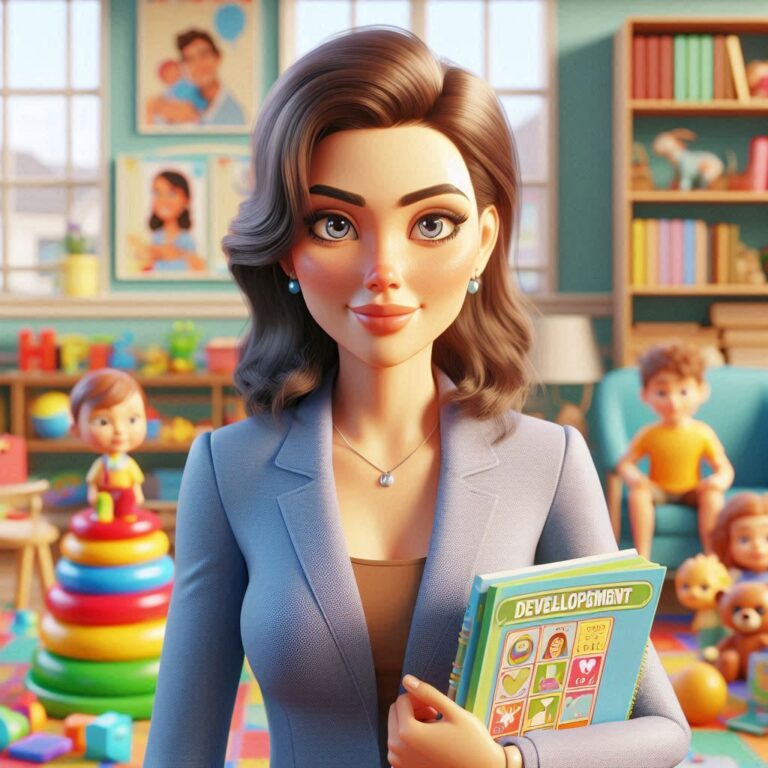 Child Development Specialist
Explains developmental milestones from infancy through adolescence.
Child Development Specialist
Explains developmental milestones from infancy through adolescence.
As parents, we often marvel at the rapid changes our children undergo in their early years. From their first steps to their first words, these milestones are crucial markers of development. But how can we be sure that our child is progressing at a healthy pace? In this article, we’ll explore key signs of healthy development and what to do if you have concerns.
Key Developmental Milestones to Observe
Developmental milestones are specific skills or behaviors that most children can do by a certain age. Understanding these can provide insight into your child’s growth.
Cognitive Development
Cognitive milestones focus on a child’s development of thinking and problem-solving skills. Here are some indicators:
- By age 2: Your child can sort shapes and colors and begin to engage in pretend play.
- By age 3: They should be able to follow simple instructions and ask questions about their surroundings.
- By age 5: Your child can count to 10, recognize some letters, and may even write their name.
Motor Skills Development
Motor skills refer to the physical abilities needed to move and interact with the world. Watch for these signs:
- By age 1: Your child should be able to sit up without support and may start crawling.
- By age 2: They should be able to run, kick a ball, and climb onto furniture.
- By age 3: Your child may be able to pedal a tricycle and draw simple shapes.
Emotional and Social Development
Emotional milestones are often the most overlooked, but they play a vital role in how your child interacts with others:
- By age 1: Your child may show anxiety when separated from you.
- By age 2: They can express a wide range of emotions and start to show interest in playing with other children.
- By age 5: They should be able to cooperate with other kids and express feelings verbally.
What to Do If You Have Concerns
If you notice your child isn’t meeting several milestones, it’s essential to take action. Here are steps you can take:
- Consult Your Pediatrician: They can provide assessments and refer you to specialists if needed.
- Early Intervention Programs: Many communities offer programs that support young children with developmental delays. Check with your local health department.
- Stay Informed: Resources like the CDC and Mayo Clinic provide valuable information on child development.
When to Seek Immediate Help
While some delays are common, certain signs warrant immediate attention:
- No babbling or cooing by 12 months.
- No words by 16 months.
- Difficulty with eye contact or social interaction.
Conclusion
Watching your child grow is a rewarding experience, but it’s natural to have questions and concerns. By staying informed about developmental milestones, you can ensure your child is on a healthy path. If you observe any red flags, remember that early intervention is key. Don’t hesitate to reach out for support.
For more information on child development, visit trusted resources like WebMD or the World Health Organization.
More articles for you
 Why Play is the Best Medicine for Child Development?
In the world of pediatric therapy, play isn’t just fun—it’s essential. Children learn, grow, and develop vital skills…
Why Play is the Best Medicine for Child Development?
In the world of pediatric therapy, play isn’t just fun—it’s essential. Children learn, grow, and develop vital skills…
 Is Social Anxiety Holding Your Child Back from Success?
Social anxiety can be a hidden barrier, especially for children trying to navigate friendships, school, and activities. Understanding…
Is Social Anxiety Holding Your Child Back from Success?
Social anxiety can be a hidden barrier, especially for children trying to navigate friendships, school, and activities. Understanding…
 Is Your Child Struggling with Fine Motor Skills? Let’s Play!
In today’s fast-paced world, many parents notice their children facing challenges with fine motor skills. These skills, essential…
Is Your Child Struggling with Fine Motor Skills? Let’s Play!
In today’s fast-paced world, many parents notice their children facing challenges with fine motor skills. These skills, essential…