
Single leg walkout complex
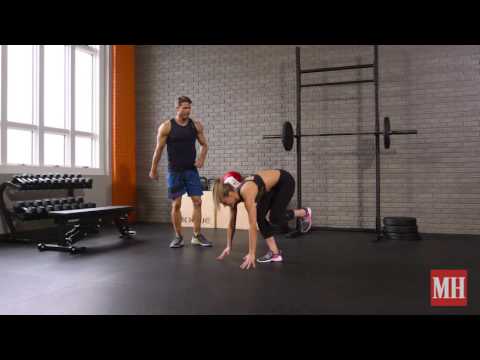

Single leg walkout complex: Exercise Guide
Overview
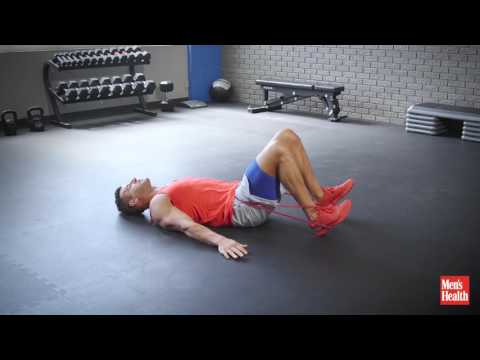
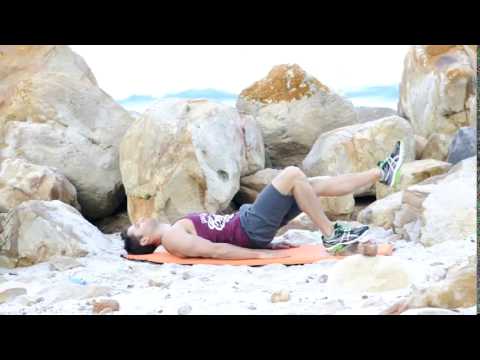
The Single Leg Walkout Complex is a slow, controlled exercise that focuses on building strength primarily in the glutes, while also engaging the quads and hips. This movement requires no equipment, making it accessible for individuals looking to enhance their lower body strength and core stability. The emphasis on slow movement allows for better muscle engagement and control, which is essential for effective strength training.
This exercise is particularly beneficial for those who are looking to strengthen their lower body muscles without the need for gym equipment. Its emphasis on core stability, alongside lower body strength, makes it a valuable addition to any strength training routine.
What it is good for
- Strengthening the glute muscles
- Enhancing quad strength
- Improving hip stability
- Developing core strength
- Building functional strength for daily activities
- Promoting balance and coordination
When to avoid it
- Evidence is limited; consult a professional if unsure about suitability
- Individuals with previous lower body injuries may need to exercise caution
- Not recommended for those unable to maintain proper form
- Avoid if experiencing significant fatigue or discomfort
Verdict
The Single Leg Walkout Complex is a beneficial exercise for those looking to strengthen their lower body and core without the use of equipment. While it offers numerous advantages, individuals should approach it mindfully, ensuring proper form and listening to their bodies to prevent injury.
Disclaimer: This content is AI-generated for informational purposes only and does not replace personalized medical advice. Exercise recommendations should be adapted to individual health status, injuries, and professional guidance.
Related Exercises
Search Database
| Exercise | Goals | Equipment | Muscles |
|---|---|---|---|
| Loading exercises... | |||
Exercise Page FAQ
How an individual exercise page helps you understand a movement, compare alternatives, and connect training choices back to your health goals.
What is an exercise single page for?
An exercise page gives focused context for one movement: what it is, what it may help with, when to be cautious, related exercises, health tests, and ways to explore more fitness support. It turns a movement name into something you can actually use.
What information should I look at first?
Start with the exercise goal, target muscles, equipment, movement type, intensity, recommended uses, and contraindications. Those details help you decide whether the exercise fits your body, your plan, and your current ability.
How do exercise pages connect to health assessments?
Health assessments can give context for exercise decisions. Strength, balance, flexibility, cardio, and body-composition results may help you choose movements that match your current needs instead of guessing with heroic confidence and questionable shoes.
Why are related exercises shown?
Related exercises are selected using shared goals, movement patterns, muscles, equipment, and exercise profile data. They help you find substitutes, progressions, regressions, or variety when one movement is not quite the right fit.
Can I use the exercise database from an exercise page?
Yes. Exercise pages include access to the searchable exercise database so you can keep exploring by goal, muscles, equipment, or movement needs without starting your search from scratch.
What are the AI fitness professionals for?
The AI professionals can help explain an exercise, suggest educational next steps, and support fitness or recovery questions. They are useful guides, but they do not replace a qualified trainer, physiotherapist, doctor, or other professional.