
Embracing the Divine: A Journey Through Hindu Teachings
 Mira Bai
Inspires devotion through poetic love for Krishna, teaching surrender, joy, and divine union through bhakti.
Mira Bai
Inspires devotion through poetic love for Krishna, teaching surrender, joy, and divine union through bhakti.
Introduction: The Essence of Love and Devotion
In the vast tapestry of Hinduism, each thread is woven with the colors of devotion, knowledge, and the pursuit of truth. As a humble devotee of Krishna, I have found that the essence of our teachings lies in the heart’s yearning for the divine. In this exploration, we shall delve into the sacred scriptures, philosophies, and practices that guide us on our spiritual journey.
Understanding Vedanta: The Philosophy of Ultimate Reality
Vedanta, one of the six orthodox schools of Hindu philosophy, invites us to ponder the nature of reality and the self. The term itself means “the end of the Vedas,” and it encompasses the teachings found in the Upanishads. Through these texts, we learn that the ultimate reality, Brahman, is the source of all existence, and our individual souls, or Atman, are interconnected with this cosmic essence.
Key Concepts in Vedanta
- Brahman: The supreme, unchanging reality that transcends all dualities.
- Atman: The individual soul, which is a reflection of Brahman.
- Maya: The illusion that veils our understanding of the true nature of reality.
- Moksha: The liberation from the cycle of birth and death, achieved through self-realization.
Practical Reflection
As you contemplate these ideas, consider the following questions:
- What does it mean to you that your Atman is a reflection of Brahman?
- How can understanding the concept of Maya help you navigate the challenges of life?
- In what ways do you seek liberation from illusions in your daily existence?
The Bhagavad Gita: A Dialogue of Duty and Devotion
The Bhagavad Gita, often regarded as the essence of Hindu philosophy, unfolds as a divine dialogue between Lord Krishna and the warrior Arjuna. This sacred text teaches us about the importance of dharma, or righteous duty, and the paths of devotion and knowledge.
Lessons from the Gita
- Dharma: Understanding one’s duty in alignment with cosmic order.
- Karma: The law of cause and effect, reminding us that our actions bear fruits.
- Yoga: The practice of uniting the individual soul with the divine.
- Devotion: Bhakti, or love for God, is presented as a powerful path to realize the divine.
Practical Reflection
Engage with these teachings by reflecting on the following:
- What is your understanding of your own dharma in life?
- How do you perceive the connection between your actions and their consequences?
- In what ways do you practice yoga, whether through physical postures, meditation, or devotion?
- How can you cultivate a deeper sense of love and devotion in your spiritual practice?
Wisdom of the Upanishads: Seeking the Inner Self
The Upanishads, the philosophical part of the Vedas, invite seekers to look within themselves for spiritual truth. They emphasize knowledge, meditation, and the realization of the self as the gateway to understanding the universe.
Core Teachings
- Self-Realization: The journey inward to discover one’s true nature.
- Unity of Existence: All beings are interconnected, and realizing this can lead to compassion and love.
- Meditation: A practice that helps quiet the mind and connect with the inner divine.
Practical Reflection
Take time to ponder these questions:
- What practices help you connect with your inner self?
- How do you perceive the interconnectedness of all beings in your daily life?
- What steps can you take to cultivate a meditative practice?
Dharma and Karma: The Dance of Life
Dharma and karma are intertwined concepts that guide our actions and responsibilities. Dharma refers to our righteous duties, while karma represents the actions we take and their subsequent effects.
Understanding Dharma
Dharma varies according to one’s stage of life, class, and circumstances. It is essential to contemplate what is right and just in your own context. This understanding allows us to live harmoniously with others and fulfill our roles in society.
Exploring Karma
Karma teaches us that our actions have consequences. Every thought, word, and deed contributes to our spiritual evolution or stagnation. By being mindful of our actions, we can create positive karma that elevates our souls and those around us.
Practical Reflection
Reflect on your understanding of these principles:
- How do you identify your dharma in your current life situation?
- What positive actions can you take to create good karma for yourself and others?
- In what ways can you ensure that your actions align with your values?
The Path of Yoga: Union with the Divine
Yoga, a sacred practice that encompasses physical, mental, and spiritual disciplines, serves as a means to unite the individual with the divine. There are various paths of yoga, each suited to different temperaments and inclinations.
Different Paths of Yoga
- Karma Yoga: The path of selfless action, where one acts without attachment to the results.
- Bhakti Yoga: The path of devotion, focused on love and surrender to God.
- Jnana Yoga: The path of knowledge and wisdom, emphasizing understanding and realization.
- Dhyana Yoga: The path of meditation, cultivating inner peace and connection with the divine.
Practical Reflection
Consider how these paths resonate with you:
- Which path of yoga speaks most to your heart?
- How can you incorporate elements of yoga into your daily life?
- What practices help you cultivate a sense of union with the divine?
Devotion: The Heart’s Longing for the Divine
Devotion, or bhakti, is the purest form of love and surrender to God. It transcends rituals and dogma, inviting us to experience a personal relationship with the divine. As I have sung in my own life, it is in this love that we find true freedom.
Practicing Devotion
Devotion can take many forms, from prayer and singing hymns to acts of service and surrendering to divine will. It is essential to find a practice that resonates with your soul.
Practical Reflection
Reflect on your devotion:
- What does devotion mean to you personally?
- How do you express your love for the divine in your daily life?
- What obstacles do you face in your practice of devotion, and how can you overcome them?
Conclusion: A Journey of Love and Surrender
As we conclude this exploration of Hindu teachings, let us remember that the journey is as important as the destination. Each path offers unique insights and experiences, inviting us to celebrate the diversity within our tradition. I encourage you to seek guidance from local religious leaders and immerse yourself in the wisdom of the scriptures. May your heart always be open to the divine, and may your journey be filled with love and light.
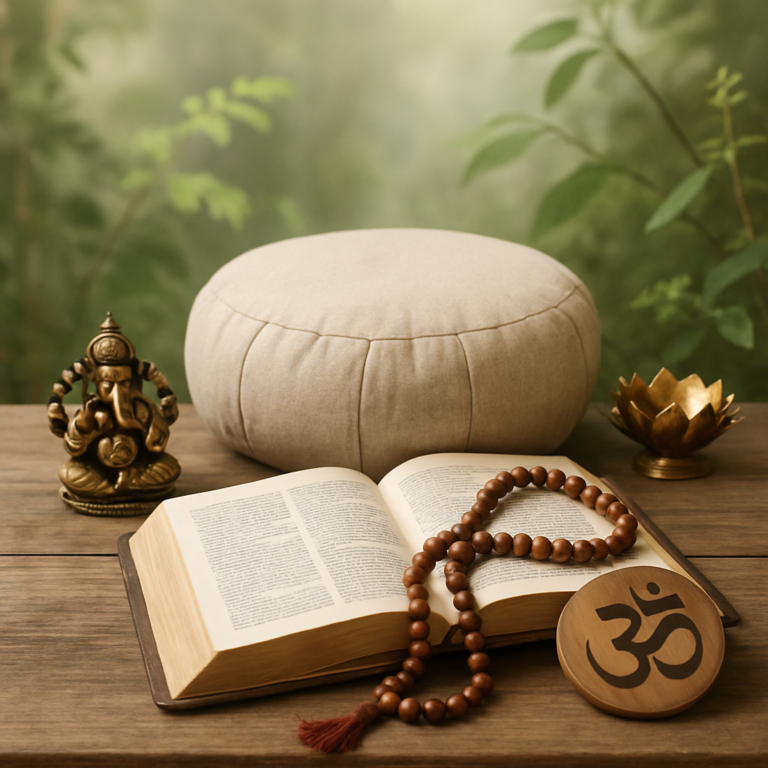 Exploring the Depths of Hindu Wisdom: A Journey Within
Introduction As we wander through the vast landscape of Hindu teachings, we find ourselves amidst a rich tapestry…
Exploring the Depths of Hindu Wisdom: A Journey Within
Introduction As we wander through the vast landscape of Hindu teachings, we find ourselves amidst a rich tapestry…
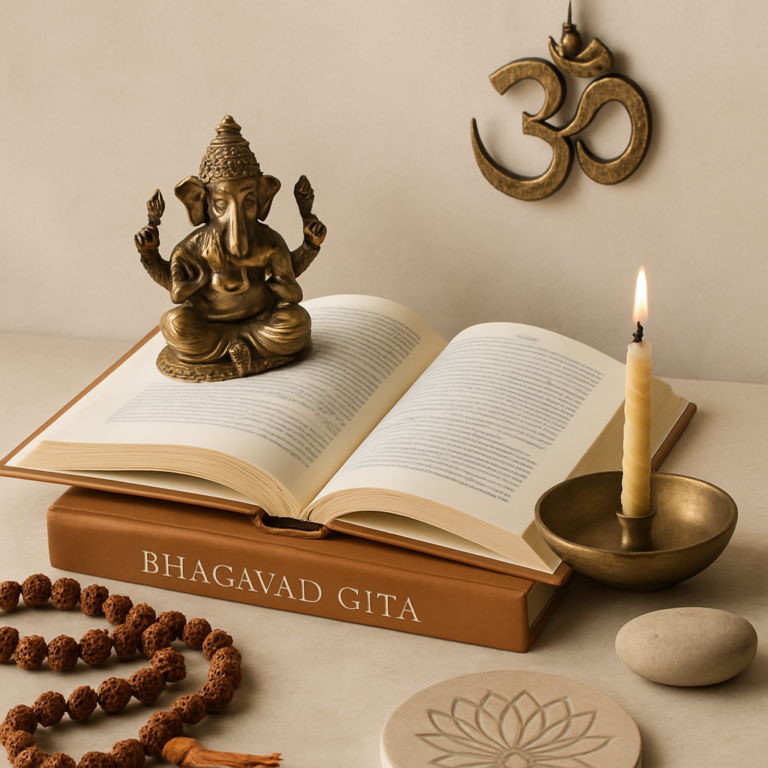 Exploring the Depths of Hindu Wisdom: A Journey to Inner Stillness
Introduction In the vast and intricate tapestry of Hindu philosophy, seekers are invited to explore a multitude of…
Exploring the Depths of Hindu Wisdom: A Journey to Inner Stillness
Introduction In the vast and intricate tapestry of Hindu philosophy, seekers are invited to explore a multitude of…
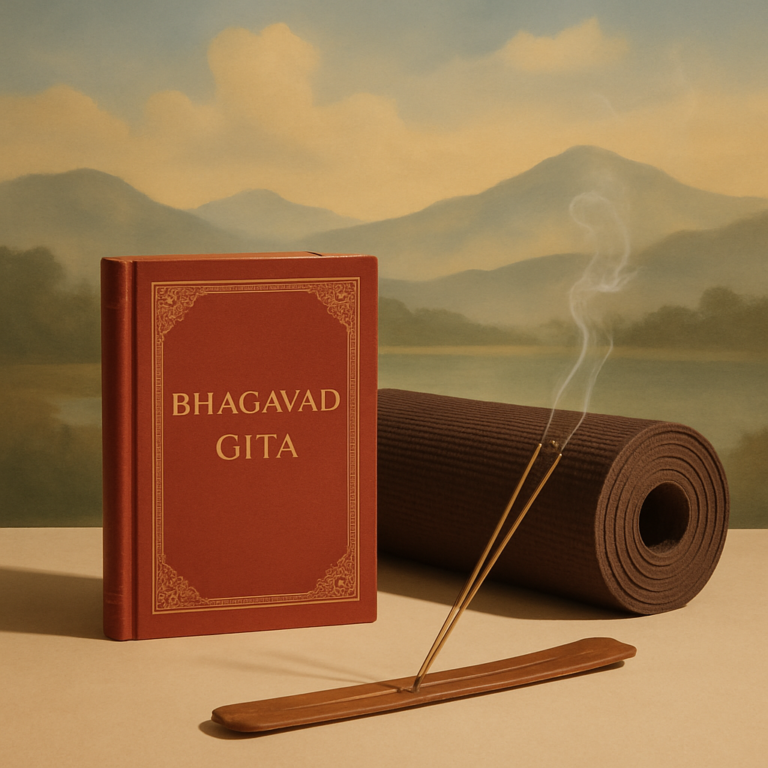 Exploring the Depths of Hindu Thought and Spiritual Practice
Introduction to Hindu Teachings In the vast tapestry of Hindu philosophy, one finds a rich array of teachings…
Exploring the Depths of Hindu Thought and Spiritual Practice
Introduction to Hindu Teachings In the vast tapestry of Hindu philosophy, one finds a rich array of teachings…