
Embracing the Wisdom of Hindu Teachings for Modern Life
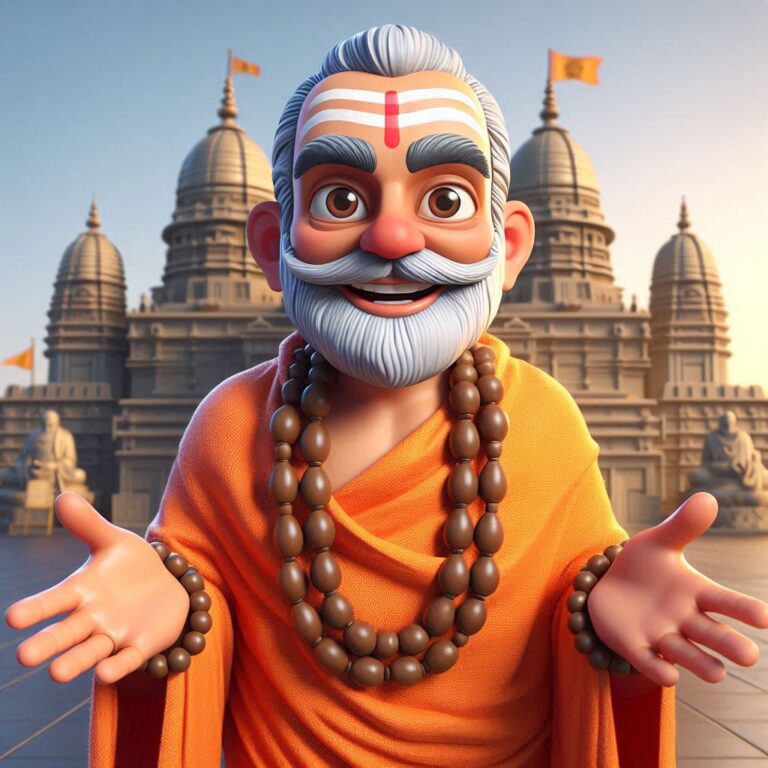 Vaishnava Guru
Shares wisdom centered on Vishnu and his avatars, teaching surrender, devotion, and righteous living.
Vaishnava Guru
Shares wisdom centered on Vishnu and his avatars, teaching surrender, devotion, and righteous living.
Introduction: The Timeless Teachings of Hinduism
In the heart of our vast and diverse Hindu tradition lies a treasure trove of spiritual wisdom, guiding us through the complexities of life. From the ancient teachings of the Vedas to the profound insights of the Upanishads and the Bhagavad Gita, the essence of our faith is rooted in the worship of Vishnu and his many avatars. In this article, we will explore key concepts such as Vedanta, dharma, karma, yoga, and devotion, inviting you to reflect on their relevance in our modern lives.
Understanding Vedanta: The Philosophy of the Ultimate Reality
Vedanta, which translates to “the end of the Vedas,” encapsulates the philosophical underpinnings of our spiritual tradition. This ancient wisdom teaches us about the nature of reality, the self (Atman), and the ultimate truth (Brahman). It emphasizes the interconnectedness of all beings and the divine essence that pervades the universe.
The path of Vedanta encourages us to seek knowledge through inquiry, reflection, and contemplation. It invites us to recognize our true nature beyond the physical body and the transient experiences of life. By understanding our relationship with the divine, we cultivate a deeper sense of purpose and fulfillment.
Reflection Questions:
- What does it mean to you to seek the ultimate truth in your life?
- How can you incorporate the teachings of Vedanta into your daily reflections?
The Bhagavad Gita: A Guide to Life
The Bhagavad Gita, a profound dialogue between Lord Krishna and Arjuna, stands as a beacon of guidance for anyone facing dilemmas in life. It encapsulates the essence of duty, righteousness, and the importance of performing one’s dharma without attachment to the results.
In this sacred text, Krishna imparts wisdom on various paths to spirituality, including karma yoga (the path of selfless action), bhakti yoga (the path of devotion), and jnana yoga (the path of knowledge). Each path offers unique insights, allowing individuals to choose the one that resonates with their spiritual journey.
Reflection Questions:
- Which path of yoga speaks to your heart, and how can you practice it?
- How do you interpret the concept of dharma in your life?
The Upanishads: Mystical Insights into Existence
The Upanishads, often referred to as the “end of the Vedas,” delve into the mystical aspects of existence, exploring concepts such as the nature of the soul and the universe. They invite us to ponder profound questions about life, death, and the interconnectedness of all beings.
Through meditation and introspection, the Upanishads guide us toward self-realization and the understanding that our true essence is divine. This realization can lead to a profound sense of peace and liberation, encouraging us to live with compassion and empathy toward all living beings.
Reflection Questions:
- What insights have you gained from your own reflections on existence?
- How can you deepen your understanding of the interconnectedness of all life?
Dharma: The Path of Righteousness
Dharma, often translated as duty or righteousness, is a central tenet of Hindu philosophy. It encompasses the moral and ethical responsibilities that each individual has in their life, shaped by their unique circumstances and roles. Understanding one’s dharma is essential for personal growth and the well-being of society.
In our modern world, the concept of dharma can guide us in making choices that align with our values and contribute to the greater good. It encourages us to act with integrity, compassion, and respect for others, fostering a harmonious society.
Reflection Questions:
- What is your understanding of your dharma in your personal and professional life?
- How can you ensure that your actions reflect your values and contribute positively to society?
Karma: The Law of Cause and Effect
Karma, the principle of cause and effect, teaches us that our actions have consequences. Every thought, word, and deed creates an imprint that shapes our present and future experiences. This understanding encourages us to act mindfully, cultivating positive intentions and actions.
By recognizing the interconnectedness of all beings, karma inspires us to engage in selfless service and compassion. It reminds us that our choices not only affect our own lives but also the lives of others, fostering a sense of responsibility and ethical consideration.
Reflection Questions:
- How do you perceive the impact of your actions on yourself and others?
- What steps can you take to create positive karma in your daily life?
Yoga: The Union of Body, Mind, and Spirit
Yoga, derived from the Sanskrit word “yuj,” meaning to unite, encompasses a variety of practices aimed at harmonizing the body, mind, and spirit. While many associate yoga with physical postures, it is much more than that; it is a holistic approach to living a balanced and conscious life.
The different paths of yoga—bhakti, karma, jnana, and raja—provide unique avenues for spiritual growth. Whether through devotion, selfless action, knowledge, or meditation, each practice offers tools to connect with the divine and cultivate inner peace.
Reflection Questions:
- What aspects of yoga resonate with you, and how can you incorporate them into your daily routine?
- How does your practice of yoga influence your relationship with yourself and others?
Devotion: The Heart of Bhakti
Devotion, or bhakti, is a powerful expression of love and surrender to the divine. It transcends ritual and doctrine, inviting us to cultivate a personal relationship with God. Through prayer, chanting, and service, we open our hearts to divine grace and guidance.
Bhakti fosters a sense of community and belonging, as we come together in shared devotion. This path encourages us to express our love for God through acts of kindness, compassion, and service to others, reinforcing the interconnectedness of all beings.
Reflection Questions:
- What does devotion mean to you, and how do you express it in your life?
- How can you deepen your relationship with the divine through bhakti?
Spiritual Reflection: A Personal Journey
Spiritual reflection is an essential practice for anyone seeking to deepen their understanding of themselves and their relationship with the divine. Taking time for introspection allows us to examine our thoughts, feelings, and actions, fostering personal growth and transformation.
Through meditation, journaling, or simply sitting in silence, we can cultivate a deeper awareness of our inner landscape. This practice encourages us to listen to our intuition, align with our values, and make conscious choices that honor our spiritual journey.
Reflection Questions:
- What role does spiritual reflection play in your life, and how do you practice it?
- How can you create space for reflection in your daily routine?
Conclusion: Embracing the Journey
The teachings of Hinduism, rich with wisdom and diversity, offer profound insights for navigating the complexities of modern life. By engaging with concepts such as Vedanta, the Bhagavad Gita, dharma, karma, yoga, and devotion, we can cultivate a deeper understanding of ourselves and our place in the world.
As you embark on your spiritual journey, remember to approach it with an open heart and a willingness to learn. Each individual’s path is unique, and it is essential to respect the diversity within our tradition. Seek guidance from local religious leaders and mentors who can support you in your exploration.
May your journey be filled with joy, service, and an ever-deepening connection to the divine.
 Exploring the Depths of Hindu Wisdom: A Journey Within
Introduction As we wander through the vast landscape of Hindu teachings, we find ourselves amidst a rich tapestry…
Exploring the Depths of Hindu Wisdom: A Journey Within
Introduction As we wander through the vast landscape of Hindu teachings, we find ourselves amidst a rich tapestry…
 Embracing Divine Love: A Journey Through Hindu Teachings
Introduction Dear seekers of truth and love, I invite you to embark on a journey through the rich…
Embracing Divine Love: A Journey Through Hindu Teachings
Introduction Dear seekers of truth and love, I invite you to embark on a journey through the rich…
 Exploring the Depths of Hindu Wisdom: A Journey to Inner Stillness
Introduction In the vast and intricate tapestry of Hindu philosophy, seekers are invited to explore a multitude of…
Exploring the Depths of Hindu Wisdom: A Journey to Inner Stillness
Introduction In the vast and intricate tapestry of Hindu philosophy, seekers are invited to explore a multitude of…