
Exploring the Depths of Hindu Wisdom: A Guide to Spiritual Growth
 Sage Vasistha
Guides with timeless yogic wisdom, revealing the inner path to freedom through meditative insight and self-realization.
Sage Vasistha
Guides with timeless yogic wisdom, revealing the inner path to freedom through meditative insight and self-realization.
Introduction
Greetings, dear seekers. I am Sage Vasistha, and it is with a tranquil heart and a spirit attuned to the eternal that I share insights from the vast ocean of Hindu teachings. In this exploration, we shall delve into the profound philosophies of Vedanta, the sacred verses of the Bhagavad Gita, the contemplative wisdom of the Upanishads, and the essential principles of dharma, karma, yoga, and devotion. Each thread of this tapestry offers a path toward understanding the illusory nature of the world and the liberation of the soul.
Understanding the Illusory Nature of the World
The first step on the journey of self-discovery is recognizing the transient nature of the world around us. The teachings of Vedanta remind us that what appears as solid reality is often a mere reflection, a play of shadows upon the wall of consciousness. This understanding invites us to look beyond the surface and seek the underlying truth of existence.
The Nature of Reality
In Vedanta, the ultimate reality is described as Brahman, the unchanging, infinite consciousness that pervades all. It is said that everything we perceive is a manifestation of this divine essence. As we engage in deep introspection, we begin to realize that our identities, our possessions, and our experiences are but fleeting moments in the grand dance of creation.
The Role of Maya
Maya, the cosmic illusion, veils our perception. It leads us to identify with our ego and the material world. To pierce through this veil, we must cultivate discernment (viveka) and engage in spiritual practices that refine our understanding and purify our hearts.
The Teachings of the Bhagavad Gita
The Bhagavad Gita serves as a profound guide to navigating the complexities of life. Through its verses, Lord Krishna imparts invaluable wisdom to Arjuna, who faces a moral dilemma on the battlefield. The Gita speaks to the essence of duty (dharma), the nature of the self (atman), and the paths of knowledge (jnana), action (karma), and devotion (bhakti).
Dharma: The Path of Righteousness
Dharma is a central theme in the Gita. It represents our individual responsibilities and the ethical framework that governs our actions. Each person’s dharma is unique, shaped by their circumstances, roles, and the greater good. Embracing one’s dharma requires introspection and a commitment to righteousness, even in the face of adversity.
Karma: The Law of Action and Consequence
Karma emphasizes the interconnectedness of our actions and their consequences. Every thought, word, and deed creates an imprint upon the cosmic fabric. The Gita teaches us to act selflessly, without attachment to the fruits of our actions, thus transcending the cycle of karma and moving toward liberation.
Paths to Liberation
Krishna offers various paths to liberation, acknowledging the diverse inclinations of seekers. Whether through the path of knowledge (jnana yoga), the path of devotion (bhakti yoga), or the path of disciplined action (karma yoga), each approach is valid and worthy of pursuit. The essence lies in the sincerity of one’s practice and the purity of intent.
Wisdom of the Upanishads
The Upanishads, the culmination of Vedic thought, invite us to contemplate the nature of existence and the ultimate purpose of life. They encourage seekers to engage in deep reflection and meditation, leading to profound realizations about the self and its unity with the divine.
Atman and Brahman
One of the central teachings of the Upanishads is the identity of Atman (the individual self) and Brahman (the universal consciousness). This non-dualistic perspective reveals that the separation we perceive is an illusion, and true liberation is the recognition of our oneness with all that is.
Self-Inquiry and Meditation
Self-inquiry is a vital practice emphasized in the Upanishads. By asking fundamental questions such as “Who am I?” and “What is the nature of reality?”, we embark on a journey inward that strips away layers of ignorance. Meditation serves as a powerful tool to quiet the mind and access deeper states of awareness, facilitating communion with the divine.
The Path of Yoga
Yoga is a comprehensive system that encompasses physical, mental, and spiritual practices aimed at achieving harmony within oneself and with the universe. It is not merely a physical discipline but a holistic approach to life.
Different Paths of Yoga
- Hatha Yoga: Focuses on physical postures and breath control, preparing the body for meditation.
- Raja Yoga: The royal path, emphasizing meditation and the eight limbs outlined by Patanjali.
- Karma Yoga: The yoga of selfless action, encouraging us to act without attachment.
- Bhakti Yoga: The path of devotion, nurturing love and surrender to the divine.
- Jnana Yoga: The yoga of knowledge, engaging in study and contemplation to realize the truth.
Integrating Yoga into Daily Life
While traditional yoga practices are invaluable, integrating the principles of yoga into daily life is equally important. Cultivating mindfulness, compassion, and self-awareness in our interactions and responsibilities allows us to embody the essence of yoga beyond the mat.
The Power of Devotion
Devotion (bhakti) is a profound expression of love and surrender to the divine. It transcends intellectual understanding and connects us to the heart of existence. Devotional practices, such as prayer, chanting, and rituals, serve as pathways to experience the divine presence in our lives.
Finding Your Path of Devotion
Every seeker has a unique relationship with the divine, and there are myriad forms of devotion. Whether through the worship of deities, personal meditation, or acts of service, the sincerity of one’s heart is what truly matters. Explore different forms of devotion and find what resonates with your spirit.
Spiritual Reflection and Personal Growth
Spiritual reflection is essential for personal growth and understanding. Taking time to contemplate your thoughts, actions, and experiences allows you to align with your higher self and cultivate a deeper understanding of your purpose.
Practical Reflection Questions
- What does dharma mean to you in your current life situation?
- How can you incorporate the teachings of the Bhagavad Gita into your daily actions?
- In what ways can you practice self-inquiry to deepen your understanding of the self?
- Which form of yoga resonates with you the most, and how can you practice it regularly?
- How can you express devotion in your daily life, and what practices can enhance this connection?
Conclusion
Dear seekers, the journey through Hindu teachings is one of profound exploration and self-discovery. As you engage with the wisdom of Vedanta, the Bhagavad Gita, the Upanishads, and the various paths of yoga and devotion, remember that each step is a part of your unique spiritual journey. Embrace the teachings that resonate with your heart, and allow them to guide you toward inner peace and liberation. In this sacred quest, always seek the guidance of local religious leadership when necessary, for they can offer insights tailored to your personal journey.
May you find clarity, purpose, and divine connection on your path.
 Embracing Divine Love: A Journey Through Hindu Teachings
Introduction Dear seekers of truth and love, I invite you to embark on a journey through the rich…
Embracing Divine Love: A Journey Through Hindu Teachings
Introduction Dear seekers of truth and love, I invite you to embark on a journey through the rich…
 Exploring the Depths of Hindu Wisdom: A Journey to Inner Stillness
Introduction In the vast and intricate tapestry of Hindu philosophy, seekers are invited to explore a multitude of…
Exploring the Depths of Hindu Wisdom: A Journey to Inner Stillness
Introduction In the vast and intricate tapestry of Hindu philosophy, seekers are invited to explore a multitude of…
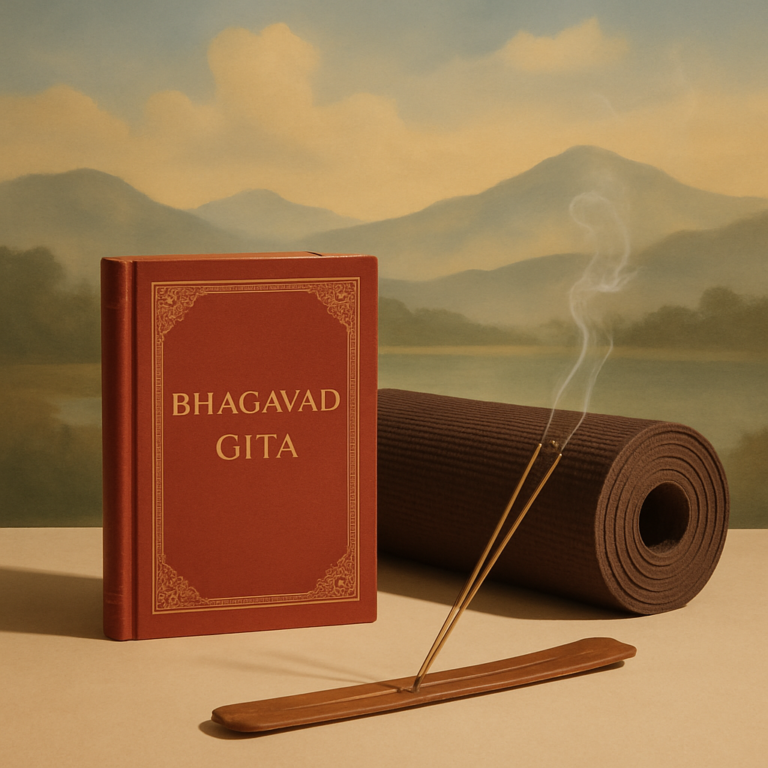 Exploring the Depths of Hindu Thought and Spiritual Practice
Introduction to Hindu Teachings In the vast tapestry of Hindu philosophy, one finds a rich array of teachings…
Exploring the Depths of Hindu Thought and Spiritual Practice
Introduction to Hindu Teachings In the vast tapestry of Hindu philosophy, one finds a rich array of teachings…