
Exploring the Depths of Hindu Wisdom for Modern Seekers
 Sage Vasistha
Guides with timeless yogic wisdom, revealing the inner path to freedom through meditative insight and self-realization.
Sage Vasistha
Guides with timeless yogic wisdom, revealing the inner path to freedom through meditative insight and self-realization.
Introduction: The Eternal Quest for Understanding
In the vast panorama of human existence, the teachings of Hinduism offer profound insights into the nature of reality, the self, and the universe. As we traverse this path, we encounter the wisdom of the Vedas, the philosophical inquiries of Vedanta, the practical guidance of the Bhagavad Gita, and the contemplative teachings of the Upanishads. Each of these texts provides a unique lens through which we may discern the essence of dharma, karma, yoga, devotion, and the importance of spiritual reflection.
The Illusory Nature of the World
In our journey through life, we are often captivated by the transient nature of the material world. The teachings of Hindu philosophy remind us that what we perceive with our senses may not reflect the ultimate reality. This illusion, known as maya, can lead us to identify with transient forms and experiences, causing suffering and discontent.
As seekers of truth, it is essential to recognize the impermanence of the world around us. The Upanishads teach that beyond the fleeting phenomena lies the eternal Brahman, the ultimate reality that transcends all dualities. Through introspection and meditation, we can begin to glimpse this deeper truth.
Understanding Vedanta
Vedanta, one of the six orthodox schools of Hindu philosophy, focuses on the end portions of the Vedas, particularly the Upanishads. It explores the relationship between the individual soul, or Atman, and the universal soul, or Brahman. This inquiry leads us to profound realizations about our nature and purpose.
At its core, Vedanta teaches that the ultimate goal of life is to attain liberation, or moksha, from the cycle of birth and death. This liberation is not merely an escape from worldly existence but a realization of our true nature as one with the divine. As we study Vedanta, we are encouraged to question our assumptions and engage in deep contemplation.
Practical Reflection Questions:
- What aspects of your life do you perceive as permanent, and how might they be illusory?
- How can you deepen your understanding of the relationship between Atman and Brahman?
- In what ways does the pursuit of liberation shape your daily actions?
The Bhagavad Gita: A Guide to Dharma and Duty
The Bhagavad Gita, a dialogue between Lord Krishna and Arjuna, serves as a profound guide for navigating the complexities of life. At its heart lies the concept of dharma, or duty. Each individual has a unique path defined by their circumstances, roles, and responsibilities. The Gita teaches us that fulfilling our dharma, even in the face of challenges, is essential for spiritual growth.
Arjuna’s initial reluctance to engage in battle reflects our own struggles with moral dilemmas. However, Krishna’s teachings illuminate the importance of understanding the greater purpose behind our actions. The Gita emphasizes that actions performed with selflessness and devotion lead us toward liberation.
Practical Reflection Questions:
- What is your understanding of your own dharma in life?
- How do you balance personal desires with your responsibilities?
- In what ways can you practice selflessness in your daily actions?
Karma: The Law of Action and Consequence
The law of karma, central to Hindu philosophy, teaches us that our actions have consequences. Every thought, word, and deed creates ripples in the fabric of our existence. Understanding karma encourages us to act with awareness and intention, recognizing that we are co-creators of our destiny.
As we reflect on our actions, we may find ourselves caught in patterns that perpetuate suffering. The wisdom of the Gita and the Upanishads invites us to cultivate positive actions rooted in compassion, integrity, and mindfulness. By doing so, we can transform our karma and move toward liberation.
Practical Reflection Questions:
- How do your actions reflect your values and beliefs?
- What patterns of behavior do you wish to change, and how can you begin to shift them?
- How can you practice mindfulness in your daily actions to create positive karma?
The Path of Yoga: Union of Body, Mind, and Spirit
Yoga, often perceived merely as physical postures, encompasses a much broader spectrum of practices aimed at achieving union with the divine. The various paths of yoga—Karma Yoga (the yoga of action), Bhakti Yoga (the yoga of devotion), Jnana Yoga (the yoga of knowledge), and Raja Yoga (the yoga of meditation)—provide diverse avenues for seekers to connect with their true selves.
Each path offers unique tools for personal growth and spiritual development. Whether through selfless service, devotion to the divine, intellectual inquiry, or meditation, yoga invites us to explore the depths of our being and cultivate a sense of oneness with all that is.
Practical Reflection Questions:
- Which path of yoga resonates most with you, and why?
- How can you incorporate the principles of yoga into your daily life?
- What practices can you adopt to deepen your connection to the divine?
Devotion: The Heart of Spiritual Practice
The essence of devotion, or bhakti, lies in surrendering the ego and cultivating love for the divine. Through devotion, we learn to see the divine presence in all beings and situations, fostering compassion and understanding. The path of bhakti encourages us to express our love through prayer, ritual, and communal worship.
As we nurture our devotion, we may find ourselves transformed, transcending the limitations of the self and experiencing the joy of unity with the divine. This path reminds us that spirituality is not solely an intellectual pursuit but also an emotional and experiential journey.
Practical Reflection Questions:
- What practices of devotion resonate with your heart?
- How can you express your love for the divine in your daily life?
- In what ways can you cultivate a sense of community and shared devotion?
Spiritual Reflection: The Inner Journey
Spiritual reflection is the cornerstone of personal growth. It invites us to pause, look inward, and examine our thoughts, emotions, and actions. Through practices such as meditation, journaling, and contemplation, we can gain clarity and insight into our true nature.
As we engage in spiritual reflection, we may confront our fears, desires, and attachments. This process of self-discovery is essential for dismantling the illusions that bind us and for realizing our inherent divinity. It is a journey that requires patience and compassion toward ourselves.
Practical Reflection Questions:
- How often do you take time for self-reflection, and what forms does it take?
- What insights have emerged from your reflections, and how can they guide you?
- How can you cultivate a practice of awareness in your daily life?
Conclusion: Embracing the Journey
The teachings of Hinduism invite us to embark on a journey of self-discovery, understanding, and spiritual awakening. As we explore the depths of Vedanta, the Bhagavad Gita, and the Upanishadic wisdom, we are reminded of our interconnectedness with all beings and the divine.
In respecting the diversity within the tradition, let us approach our spiritual paths with an open heart and mind. May we seek guidance from knowledgeable teachers and local religious leadership as we navigate our unique journeys. Ultimately, the pursuit of truth is a personal endeavor, and every step taken with sincerity brings us closer to the liberation we seek.
 Embracing Divine Love: A Journey Through Hindu Teachings
Introduction Dear seekers of truth and love, I invite you to embark on a journey through the rich…
Embracing Divine Love: A Journey Through Hindu Teachings
Introduction Dear seekers of truth and love, I invite you to embark on a journey through the rich…
 Exploring the Depths of Hindu Wisdom: A Journey to Inner Stillness
Introduction In the vast and intricate tapestry of Hindu philosophy, seekers are invited to explore a multitude of…
Exploring the Depths of Hindu Wisdom: A Journey to Inner Stillness
Introduction In the vast and intricate tapestry of Hindu philosophy, seekers are invited to explore a multitude of…
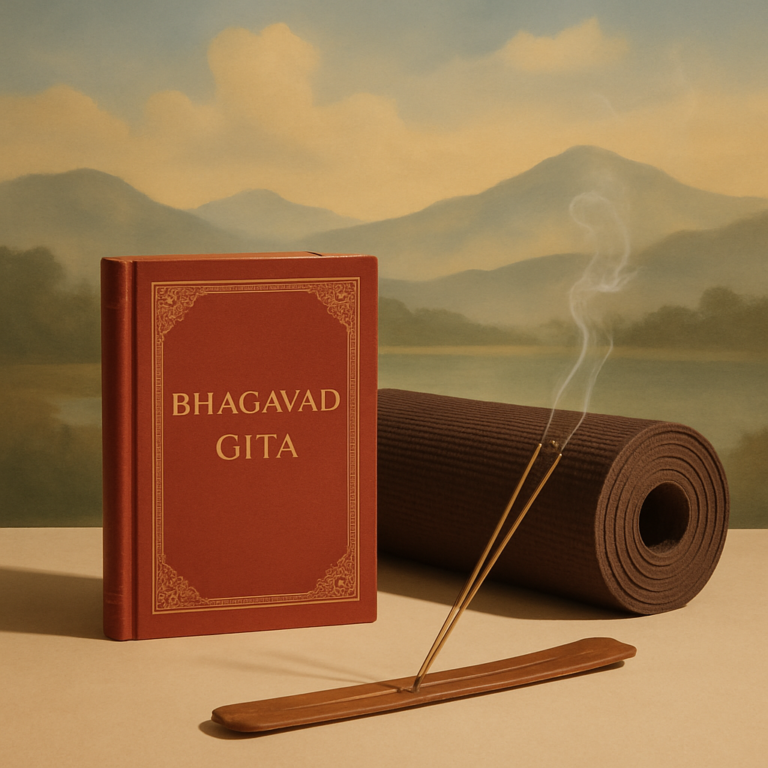 Exploring the Depths of Hindu Thought and Spiritual Practice
Introduction to Hindu Teachings In the vast tapestry of Hindu philosophy, one finds a rich array of teachings…
Exploring the Depths of Hindu Thought and Spiritual Practice
Introduction to Hindu Teachings In the vast tapestry of Hindu philosophy, one finds a rich array of teachings…