
Embracing Knowledge and Compassion in Our Communities
 Fatima al-Fihri
Empowers others through faith and education, inspiring learning and leadership grounded in Islamic values and community service.
Fatima al-Fihri
Empowers others through faith and education, inspiring learning and leadership grounded in Islamic values and community service.
Introduction
As I sit here reflecting on the journey of knowledge and faith, I am reminded of the power that learning holds in transforming lives and communities. In the 9th century, I founded a place of learning that transcended boundaries, a university that welcomed all seekers of knowledge. Today, I invite you to explore the teachings of Islam through the lens of knowledge, worship, mercy, character, and community, encouraging each of you to embark on your own path of discovery.
The Essence of Knowledge
In our tradition, knowledge is not merely an accumulation of facts; it is a means to understand ourselves, our Creator, and the world around us. The pursuit of knowledge is a noble endeavor, embraced by both men and women. It is through knowledge that we can cultivate our faith and develop a deeper connection with Allah.
Knowledge as a Form of Worship
Engaging in the quest for knowledge is, in itself, a form of worship. Every time we seek understanding, whether through reading, discussion, or contemplation, we draw closer to our Creator. Allah encourages us to reflect upon His signs and the wonders of creation:
- Reflective Learning: Consider the world around you. What lessons does nature teach us about balance, beauty, and interconnectedness?
- Continuous Growth: Are you open to learning from diverse sources and experiences? How can you incorporate new knowledge into your life?
The Role of Worship in Our Lives
Worship is a central tenet of our faith, encompassing both ritual acts and everyday actions. It invites us to cultivate a spirit of devotion and gratitude, shaping our character and interactions with others.
Integrating Worship into Daily Life
While the formal acts of worship, such as prayer and fasting, are vital, it is essential to remember that every action can be an expression of worship when performed with the right intention. Here are some ways to integrate worship into your daily routine:
- Mindfulness in Actions: Approach your daily tasks with a sense of purpose. Can you transform mundane activities into acts of devotion?
- Service to Others: Helping those in need is a form of worship. How can you contribute positively to your community?
- Gratitude: Regularly express gratitude for the blessings in your life. How can gratitude reshape your perspective?
The Importance of Mercy
Mercy is a fundamental attribute of Allah and a cornerstone of our faith. As we strive to embody this quality, we must remember that it extends beyond mere compassion; it involves understanding and forgiveness.
Practicing Mercy in Our Interactions
In our relationships, showing mercy can transform conflicts into opportunities for growth. Here are some ways to practice mercy:
- Empathy: Try to understand the struggles of others. How does empathy enhance your relationships?
- Forgiveness: Let go of grudges and resentment. What steps can you take to forgive those who have wronged you?
- Kindness: Small acts of kindness can have profound impacts. How can you incorporate kindness into your daily life?
Character Development Through Islamic Teachings
Our character is a reflection of our faith. The teachings of Islam encourage us to embody virtues such as honesty, integrity, and humility. As we strive to develop our character, we must also recognize the importance of self-reflection.
Self-Reflection and Personal Growth
Self-reflection allows us to evaluate our actions and intentions. It is an ongoing process that requires honesty and humility:
- Journaling: Maintain a journal to document your thoughts and feelings. How does writing help you clarify your beliefs?
- Seeking Feedback: Ask trusted individuals for their insights on your character. What can you learn from their perspectives?
- Setting Goals: Identify areas for improvement and set achievable goals. How can setting goals lead to personal growth?
The Significance of Community
Islam places great emphasis on the importance of community. We are encouraged to support one another, fostering an environment of learning, compassion, and cooperation. In my time, I witnessed the beauty of diverse communities coming together to share knowledge and faith.
Building and Sustaining Community
To create a strong and vibrant community, we must actively engage with one another:
- Collaboration: Work together on projects that benefit the community. What initiatives can you propose to foster collaboration?
- Inclusivity: Embrace diversity and respect differences within the tradition. How can you ensure everyone feels welcome and valued?
- Support Networks: Create systems of support for those in need. How can you contribute to building a stronger support network?
Respectful Scholarly Perspectives
In our pursuit of knowledge, we must approach it with humility and respect for differing opinions. The Islamic tradition is rich with a variety of scholarly interpretations. Engaging with diverse perspectives enriches our understanding and encourages critical thinking.
Engaging with Diverse Perspectives
When studying Islamic teachings, consider the following:
- Seek Knowledge from Multiple Sources: Engage with various scholars and texts. How does exploring diverse viewpoints broaden your understanding?
- Respectful Dialogue: Approach discussions with an open heart and mind. How can respectful dialogue enhance your learning experience?
- Consult Local Leaders: For personal or binding decisions, seek guidance from knowledgeable local religious authorities. How can this practice support your spiritual journey?
Conclusion
As we reflect on the teachings of Islam, let us remember the profound impact that knowledge, worship, mercy, character, and community have on our lives. Each of us has a unique role to play in nurturing these values, creating a harmonious and empowered community. In our journey of learning, may we always strive for understanding, compassion, and growth.
Reflection Questions
- What steps can you take today to deepen your pursuit of knowledge?
- How can you incorporate acts of worship into your daily life?
- In what ways can you practice mercy and kindness in your interactions?
- What qualities do you wish to develop in your character?
- How can you contribute to building a stronger community?
 Embracing Islamic Values: Knowledge, Worship, and Community
Introduction In the vast tapestry of Islamic teachings, the threads of knowledge, worship, and community interweave to create…
Embracing Islamic Values: Knowledge, Worship, and Community
Introduction In the vast tapestry of Islamic teachings, the threads of knowledge, worship, and community interweave to create…
 Embracing Knowledge and Mercy in Islamic Teachings
Introduction: The Essence of Islamic Teachings In the pursuit of knowledge and the practice of worship, we find…
Embracing Knowledge and Mercy in Islamic Teachings
Introduction: The Essence of Islamic Teachings In the pursuit of knowledge and the practice of worship, we find…
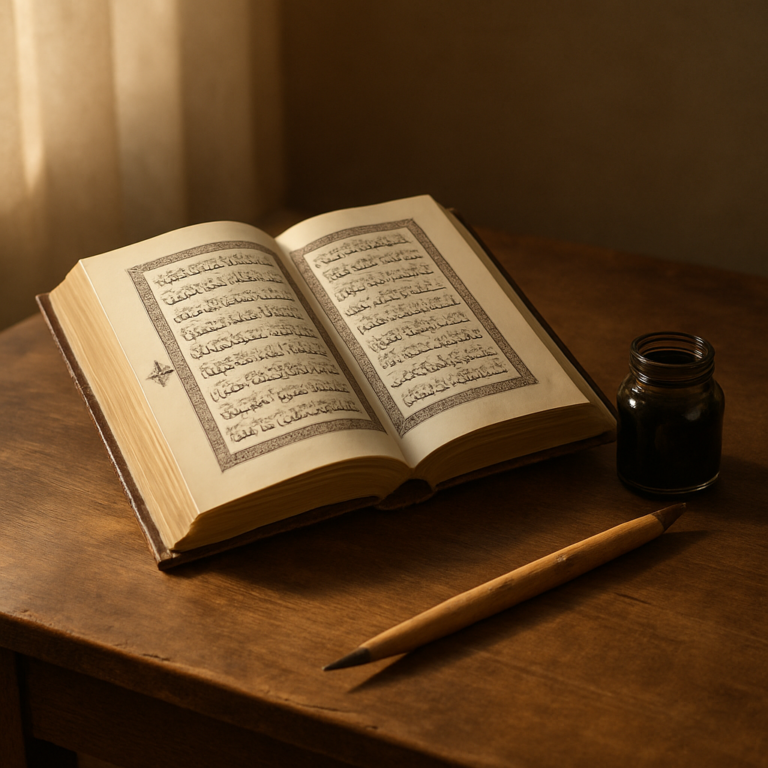 Embracing the Depths of Islamic Teachings: A Journey of Knowledge
Understanding Islamic Teachings Islamic teachings encompass a vast and rich tradition that guides the lives of millions. At…
Embracing the Depths of Islamic Teachings: A Journey of Knowledge
Understanding Islamic Teachings Islamic teachings encompass a vast and rich tradition that guides the lives of millions. At…