
Is Your Breath Holding You Back from True Calmness?
In a world buzzing with noise and distraction, finding inner calm can feel like an elusive dream. But what if I told you that the key to serenity lies within your very breath? Let’s explore how harnessing the power of breath can cultivate a sense of peace and emotional resilience.
The Power of Breath: A Gateway to Mindfulness
Breath as a Tool for Stress Reduction
Breathing isn’t just a biological function; it’s a powerful tool for managing stress and emotions. Here’s why focusing on your breath can make a significant difference in your daily life:
- Regulates Your Nervous System: Conscious breathing can activate the parasympathetic nervous system, which helps you relax and reduce anxiety.
- Enhances Mental Clarity: Deep, mindful breaths can clear mental fog and improve focus.
- Promotes Emotional Resilience: Regular breathwork practice can help you respond to stressors with greater calmness and clarity.
Techniques to Incorporate Breathwork into Your Routine
Integrating breathwork into your daily routine doesn’t have to be complicated. Here are some practical techniques you can try:
- Diaphragmatic Breathing: Sit or lie down comfortably. Place one hand on your chest and the other on your belly. Inhale deeply through your nose, allowing your belly to rise while keeping your chest still. Exhale slowly through your mouth. Repeat for 5-10 minutes.
- Box Breathing: Inhale for a count of four, hold for four, exhale for four, and hold again for four. This technique is especially useful for calming your mind before stressful situations.
- 4-7-8 Breathing: Inhale for four seconds, hold for seven, and exhale for eight. This helps slow your heart rate and can be particularly effective for sleep.
Mindfulness Practices to Complement Breathwork
Pairing breathwork with mindfulness can enhance its effectiveness. Here are a few practices to consider:
- Mindful Walking: As you walk, focus on your breath and the sensation of your feet touching the ground.
- Guided Meditation: Use apps or online resources for guided sessions that incorporate breath awareness.
- Nature Connection: Spend time outdoors and pay attention to your breath while observing nature; this can deepen your sense of peace.
Incorporating these practices into your daily life can help you cultivate a greater sense of calm and resilience. For more information on the mental benefits of breathwork, check out these trusted sources: Mayo Clinic, WebMD, WHO, CDC.
Final Thoughts
Remember, the journey to mindfulness and emotional resilience starts with a single breath. Set aside a few moments each day to practice these techniques, and you may find that your stress levels decrease and your ability to cope with challenges improves. The power to cultivate calmness is within you, just waiting to be harnessed through your breath.
Advice: Begin with just five minutes of breathwork daily. Gradually increase the duration as you become more comfortable. The key is consistency rather than perfection.
Lastly, mark your calendar for International Day of Peace on September 21; it’s a perfect opportunity to integrate mindfulness and breathwork into your community activities.
More articles for you
 Is Your Relationship Thriving or Just Surviving?
Relationships can often feel like a rollercoaster ride, filled with ups and downs that challenge our emotional resilience.…
Is Your Relationship Thriving or Just Surviving?
Relationships can often feel like a rollercoaster ride, filled with ups and downs that challenge our emotional resilience.…
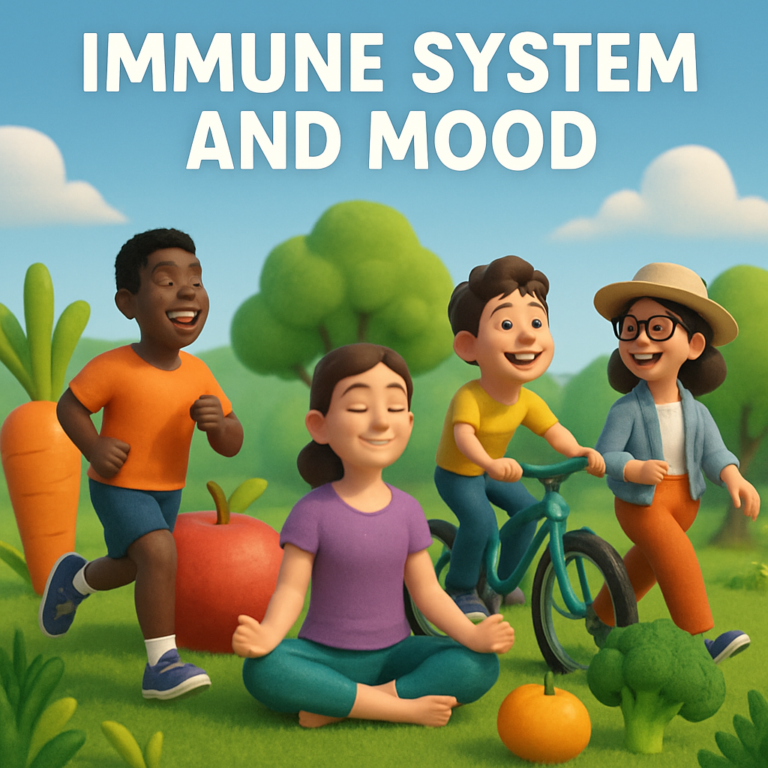 Can Your Immune System Really Affect Your Mood?
The connection between our immune system and our emotional health is often overlooked. But did you know that…
Can Your Immune System Really Affect Your Mood?
The connection between our immune system and our emotional health is often overlooked. But did you know that…
 Is Your Inner Critic Sabotaging Your Happiness?
Many people struggle with an inner critic that can cast a shadow over their happiness and self-esteem. This…
Is Your Inner Critic Sabotaging Your Happiness?
Many people struggle with an inner critic that can cast a shadow over their happiness and self-esteem. This…
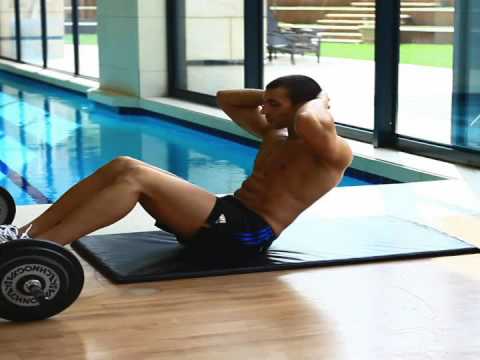 Sit ups
: Exercise Guide Overview Sit ups are a slow, controlled exercise focusing primarily on strengthening the abdominal…
Sit ups
Sit ups: Exercise Guide Overview Sit ups are a slow, controlled exercise focusing primarily on strengthening the abdominal…
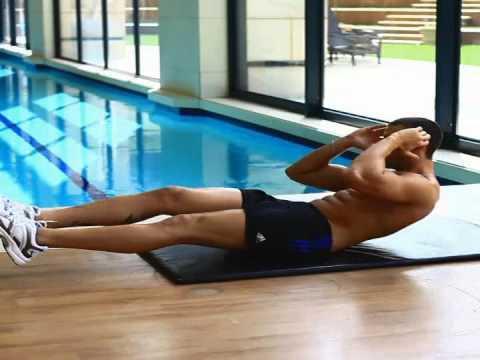 Alternating sit ups
: Exercise Guide Overview Alternating sit ups are a slow, controlled movement primarily targeting the abdominal…
Alternating sit ups
Alternating sit ups: Exercise Guide Overview Alternating sit ups are a slow, controlled movement primarily targeting the abdominal…
 Crunches
: Exercise Guide Overview Crunches are a slow, controlled exercise designed to strengthen the abdominal muscles. This movement…
Crunches
Crunches: Exercise Guide Overview Crunches are a slow, controlled exercise designed to strengthen the abdominal muscles. This movement…