
Can Ancient Healing Wisdom Transform Modern Health Practices?
In a fast-paced world where stress and imbalance are common, many seek alternatives to conventional medicine. Traditional Chinese Medicine (TCM) offers a holistic approach, emphasizing harmony and balance within the body. But how can these ancient practices resonate with today’s health challenges?
The Essence of Traditional Chinese Medicine
Understanding Qi and Its Role in Health
At the core of TCM is the concept of Qi (pronounced ‘chee’), the life force that flows through our bodies. Qi is believed to be the vital energy that sustains all life. When Qi flows freely, we experience health and vitality; when it’s blocked or stagnant, we are more prone to illnesses.
- Signs of Qi Imbalance:
– Chronic fatigue or low energy
– Frequent colds or infections
– Digestive issues
– Mood swings or anxiety
TCM Modalities That Promote Harmony
TCM utilizes a variety of practices to restore balance:
- Acupuncture: Involves inserting thin needles at specific points to stimulate Qi flow.
- Cupping Therapy: Uses suction cups to enhance circulation and relieve tension.
- Herbal Medicine: Employs natural herbs tailored to individual needs, addressing both symptoms and root causes.
- Meridian Therapy: Focuses on the body’s meridian system, promoting energy flow and balance.
These methods are designed to work in synergy, aligning the body’s energies and fostering optimal health.
Modern Applications of TCM
As interest in alternative therapies grows, TCM practices have begun to influence modern health strategies. Here are some recent trends:
- Integrative Health Clinics: Many hospitals are now incorporating acupuncture and herbal remedies alongside conventional treatments.
- Chronic Pain Management: Research shows acupuncture can be effective in reducing pain and improving mobility in patients with chronic pain conditions (source: Mayo Clinic).
- Mental Health Awareness: Increased awareness of mental health issues has led to more individuals seeking TCM for stress and anxiety relief (source: WebMD).
The Importance of Personalization in Healing
Every individual’s journey to health is unique. TCM emphasizes personalized treatment plans that cater to specific needs. This patient-centered approach is vital for effective healing.
- Consultation: A detailed assessment of health history and lifestyle is crucial.
- Tailored Therapies: Each treatment is adapted to the individual’s constitution, ensuring a holistic approach to healing.
Incorporating elements of TCM into daily routines can yield powerful benefits. Here are some simple practices:
- Mindful Breathing: Spend a few minutes each day focusing on your breath to enhance Qi flow.
- Herbal Teas: Incorporate herbal teas like ginger or chrysanthemum to promote digestive health.
- Gentle Movement: Engage in Tai Chi or Qi Gong to activate and balance your energies.
As we approach World Health Day on April 7, it’s a perfect opportunity to explore how integrating TCM can lead to a more balanced and healthier lifestyle. Embracing these ancient practices can empower us to take charge of our well-being and cultivate a harmonious existence.
For reliable information on health practices, refer to trusted sources such as the World Health Organization and the Centers for Disease Control and Prevention.
In conclusion, while modern medicine has its merits, the wisdom of TCM offers valuable insights that can complement contemporary health practices. Striving for balance in life through Qi alignment and holistic therapies can lead to improved health and well-being. Remember, your journey to health is uniquely yours—embrace it with an open heart and mind.
More articles for you
 Is Your Energy Out of Balance? Discover the Signs Today
In our fast-paced world, it’s easy to lose touch with our inner energy. Many people go through life…
Is Your Energy Out of Balance? Discover the Signs Today
In our fast-paced world, it’s easy to lose touch with our inner energy. Many people go through life…
 Is Your Desk Posture Sabotaging Your Health?
In our fast-paced, tech-driven world, many find themselves spending hours hunched over desks and screens. This prolonged poor…
Is Your Desk Posture Sabotaging Your Health?
In our fast-paced, tech-driven world, many find themselves spending hours hunched over desks and screens. This prolonged poor…
 Is Your Chronic Pain Robbing You of Joy? Here’s How to Reclaim It
Chronic pain can feel like a thief, stealing moments of joy and freedom from your life. But what…
Is Your Chronic Pain Robbing You of Joy? Here’s How to Reclaim It
Chronic pain can feel like a thief, stealing moments of joy and freedom from your life. But what…
 Sit ups
: Exercise Guide Overview Sit ups are a slow, controlled exercise focusing primarily on strengthening the abdominal…
Sit ups
Sit ups: Exercise Guide Overview Sit ups are a slow, controlled exercise focusing primarily on strengthening the abdominal…
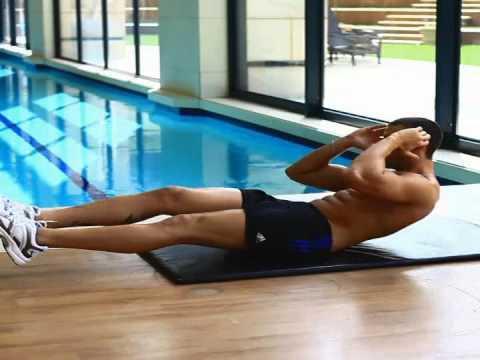 Alternating sit ups
: Exercise Guide Overview Alternating sit ups are a slow, controlled movement primarily targeting the abdominal…
Alternating sit ups
Alternating sit ups: Exercise Guide Overview Alternating sit ups are a slow, controlled movement primarily targeting the abdominal…
 Crunches
: Exercise Guide Overview Crunches are a slow, controlled exercise designed to strengthen the abdominal muscles. This movement…
Crunches
Crunches: Exercise Guide Overview Crunches are a slow, controlled exercise designed to strengthen the abdominal muscles. This movement…