
Exploring the Depths of Hindu Teachings and Spiritual Wisdom
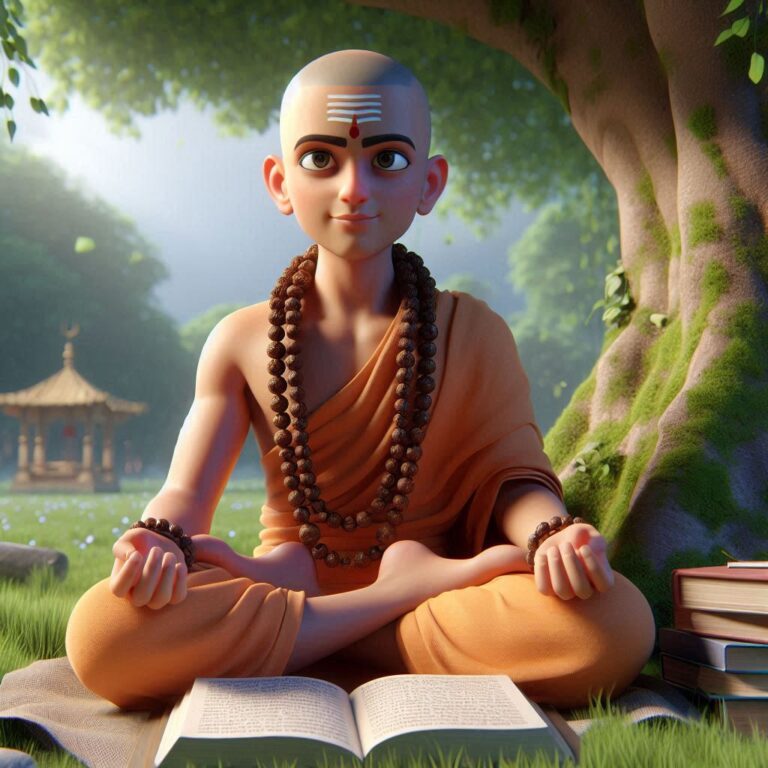 Adi Shankaracharya
Illuminates the nature of reality through non-dualistic Vedanta, guiding seekers toward unity of self and absolute truth.
Adi Shankaracharya
Illuminates the nature of reality through non-dualistic Vedanta, guiding seekers toward unity of self and absolute truth.
Introduction to Hindu Teachings
In the vast and intricate tapestry of Hindu philosophy, many threads weave together to form a rich understanding of existence, purpose, and the ultimate reality. Whether one approaches the teachings from the perspective of Advaita Vedanta, bhakti (devotion), or any other path, the essence remains the same: a pursuit of truth and liberation.
Vedanta: The Culmination of Knowledge
At the heart of Hindu philosophy lies Vedanta, which translates to “the end of the Vedas.” This school of thought delves into the nature of reality, the self, and the divine. It teaches that the ultimate truth is non-dual — that is, the individual self (Atman) and the universal consciousness (Brahman) are one and the same.
The Non-Dual Reality
Understanding the concept of non-duality is crucial for seekers. It encourages one to transcend the illusion of separateness that pervades our experiences. As we reflect on our daily lives, we may ask ourselves:
- How can I recognize the interconnectedness of all beings?
- What practices can help me experience the unity of Atman and Brahman?
The Bhagavad Gita: A Guide to Life
The Bhagavad Gita, often regarded as a philosophical and spiritual guide, addresses the complexities of duty (dharma), action (karma), and devotion (bhakti). In the form of a dialogue between Lord Krishna and Arjuna, it imparts timeless wisdom applicable to all aspects of life.
Understanding Dharma
Dharma refers to the moral and ethical duties that one must follow. It varies according to one’s age, caste, and life situation, reminding us that righteousness is not a one-size-fits-all approach. In contemplating our own dharma, we might ponder:
- What are my responsibilities to my family, society, and self?
- How can I align my actions with the greater good?
Karma: The Law of Action
Karma teaches us that every action has consequences. The choices we make today shape our tomorrow. This understanding empowers us to act with intention and awareness. In reflecting on karma, consider:
- What intentions guide my actions?
- How can I cultivate positive karma through my decisions?
Yoga: The Path to Union
Yoga, derived from the root word “yuj,” means to unite. It is a practice that helps individuals connect with their true nature and the divine. Various forms of yoga—such as Hatha, Bhakti, Karma, and Jnana—offer different pathways to explore this union.
The Practice of Bhakti Yoga
Bhakti Yoga emphasizes devotion and love for the divine. It is accessible to all, regardless of one’s background or level of knowledge. Through devotion, one can cultivate a deep connection with the divine presence. Reflect on your own path of devotion:
- What does devotion mean to me?
- How can I express my love and gratitude to the divine?
Karma Yoga: Selfless Action
Karma Yoga, or the yoga of action, teaches the importance of performing our duties without attachment to the fruits of our labor. This selfless approach purifies the heart and mind. In considering Karma Yoga, ask yourself:
- How can I serve others without seeking personal gain?
- What actions can I take to contribute to my community?
Upanishadic Wisdom: The Pursuit of Knowledge
The Upanishads, ancient texts that explore the nature of reality and consciousness, are foundational to Vedantic philosophy. They encourage seekers to question and reflect on the essence of existence. Key themes include the nature of Brahman, the concept of Maya (illusion), and the realization of the self.
Reflecting on Self-Knowledge
The pursuit of self-knowledge is paramount in the Upanishadic tradition. By turning inward and engaging in self-inquiry, we can uncover the truths of our existence. Contemplate:
- Who am I beyond my thoughts and emotions?
- What practices can facilitate deeper self-reflection?
Devotion and Spiritual Reflection
Devotion, or bhakti, is a core aspect of Hindu spirituality. It fosters surrender and trust in a higher power, guiding practitioners toward profound inner peace. Through prayer, chant, and rituals, devotees express their love and reverence for the divine.
Embracing Different Paths
It is essential to recognize that the paths to spirituality are diverse. Each individual may resonate with different teachings and practices. Some may find solace in ritualistic worship, while others may prefer philosophical inquiry or meditative practices. Reflect on your spiritual journey:
- What practices bring me peace and fulfillment?
- How can I honor the various paths within the Hindu tradition?
Conclusion: A Personal Journey
As seekers on the path of spirituality, it is vital to approach these teachings with an open heart and mind. The journey through Hindu philosophy is deeply personal, and while we can learn from ancient texts and teachings, our understanding will evolve through personal experience and reflection.
In this intricate dance of life, let us strive for wisdom, compassion, and unity. May your path be illuminated by the light of knowledge, devotion, and self-discovery.
For further guidance on your spiritual journey, consider consulting local religious leaders or mentors who can provide support tailored to your unique path.
 Exploring the Depths of Hindu Wisdom: A Journey Within
Introduction As we wander through the vast landscape of Hindu teachings, we find ourselves amidst a rich tapestry…
Exploring the Depths of Hindu Wisdom: A Journey Within
Introduction As we wander through the vast landscape of Hindu teachings, we find ourselves amidst a rich tapestry…
 Embracing Divine Love: A Journey Through Hindu Teachings
Introduction Dear seekers of truth and love, I invite you to embark on a journey through the rich…
Embracing Divine Love: A Journey Through Hindu Teachings
Introduction Dear seekers of truth and love, I invite you to embark on a journey through the rich…
 Exploring the Depths of Hindu Wisdom: A Journey to Inner Stillness
Introduction In the vast and intricate tapestry of Hindu philosophy, seekers are invited to explore a multitude of…
Exploring the Depths of Hindu Wisdom: A Journey to Inner Stillness
Introduction In the vast and intricate tapestry of Hindu philosophy, seekers are invited to explore a multitude of…