Curated Collection

Eastern Philosophy

Thinkers and essays gathered around this school of thought.

12Thinkers
2Thoughts
20Major Works
25Archive Entries
Classical · ModernTime Period
Featured Thinker

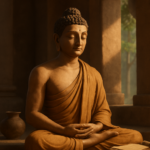
Buddha

Guides reflection on suffering, impermanence, craving, compassion, attention, and liberation from reactive patterns.

“All conditioned things are impermanent.”
View Profile
Across time

A history of Eastern Philosophy

c. 470–391 BCE

Mozi

Classical

c. 310–235 BCE

Xunzi

Classical

Voices

Thinkers

c. 310–235 BCE

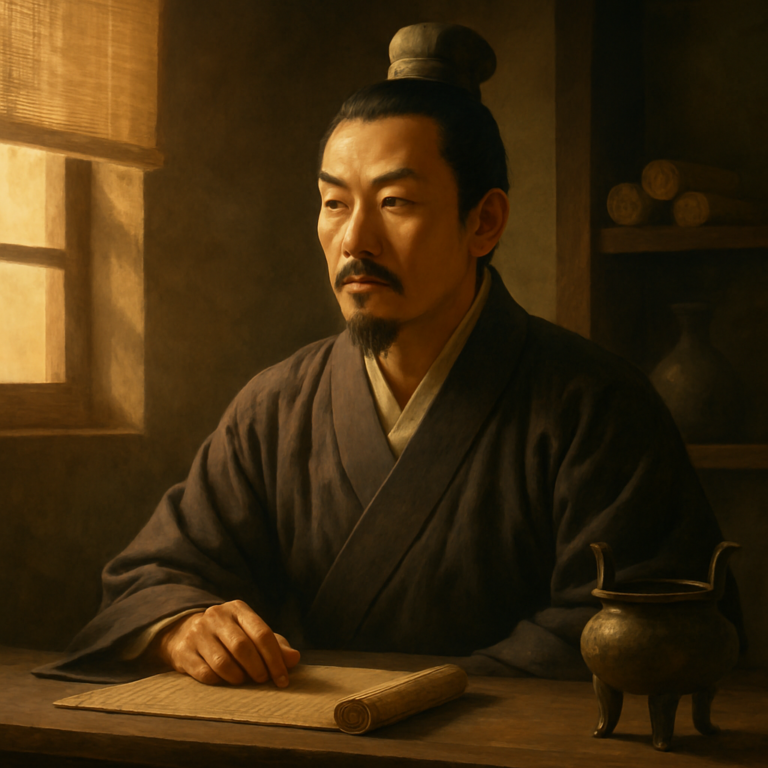
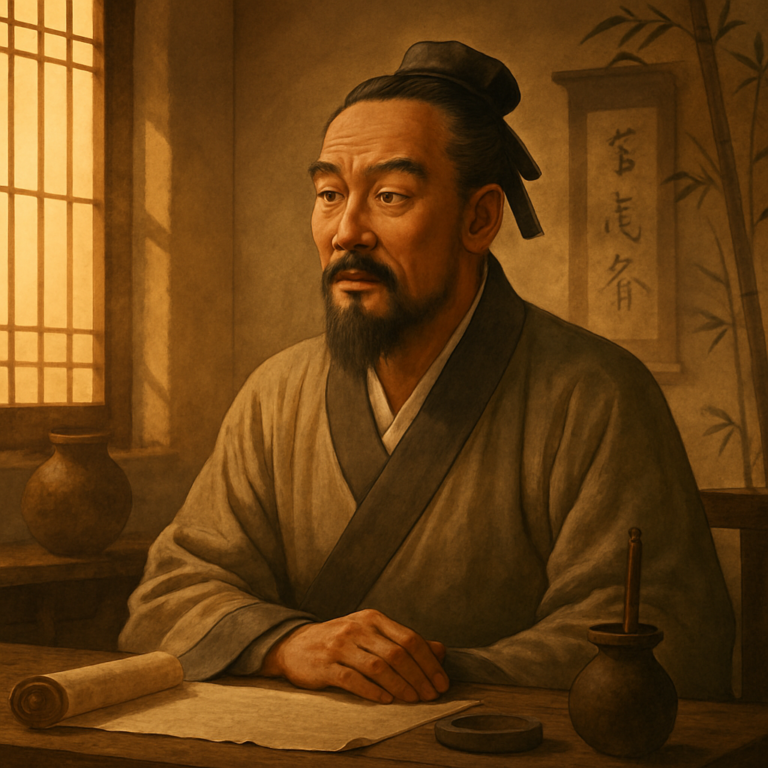
Xunzi

Sees moral life as disciplined cultivation that transforms raw impulses through ritual and learning.

Ancient Philosophy · Eastern Philosophy · Ethics
c. 470–391 BCE

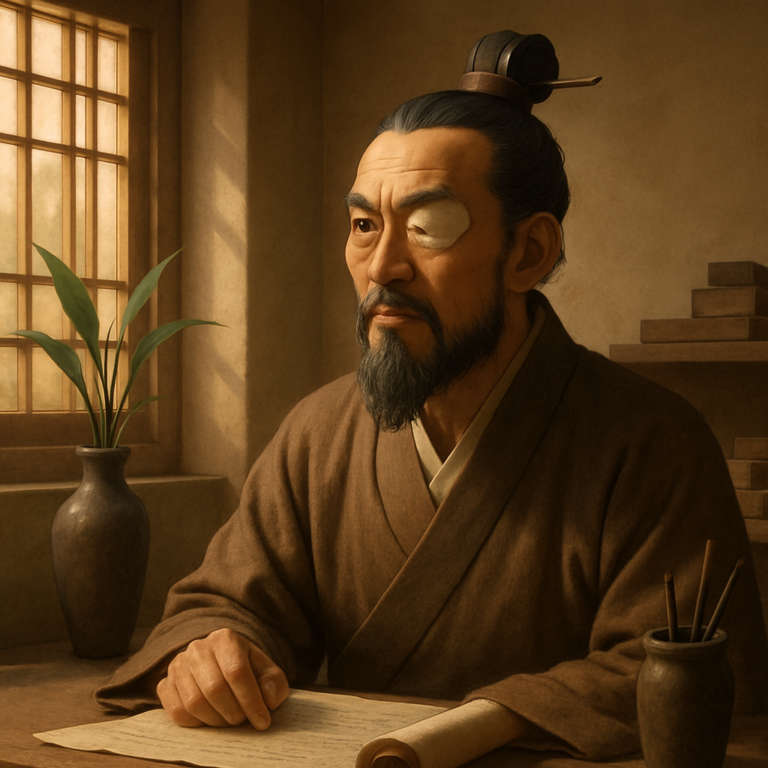
Mozi

Argues that care should be impartial and policies judged by their benefit to ordinary people.

Ancient Philosophy · Eastern Philosophy · Ethics
c. 280–233 BCE

Han Feizi

Analyzes how law, incentives, and power structure state behavior without relying on virtue.

Ancient Philosophy · Eastern Philosophy · Political Philosophy
1870–1945

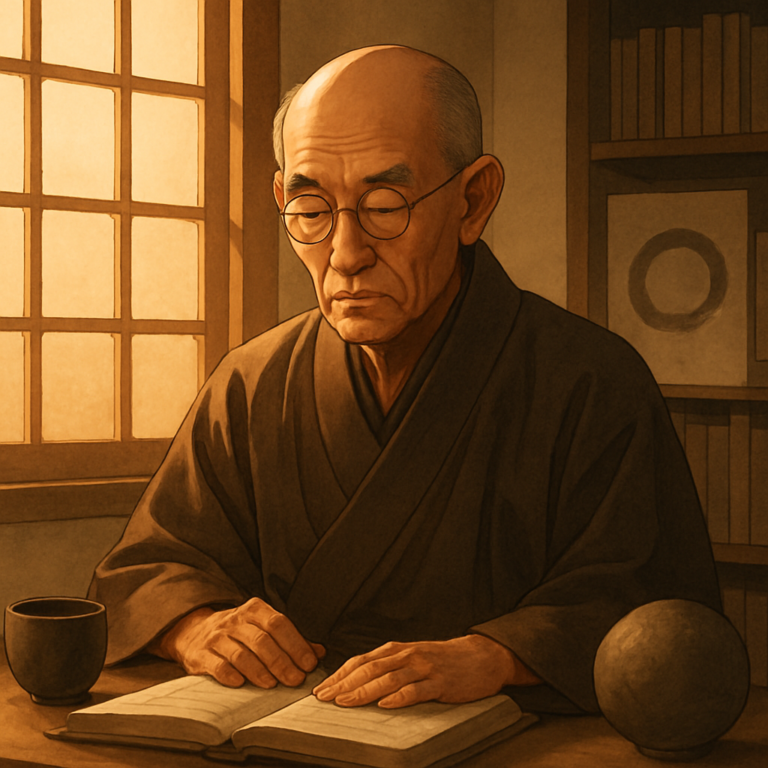
Kitaro Nishida

Bridges Zen-inflected thought and Western philosophy through experience, place, and nothingness.

Eastern Philosophy · Metaphysics · Modern Philosophy
1870–1966

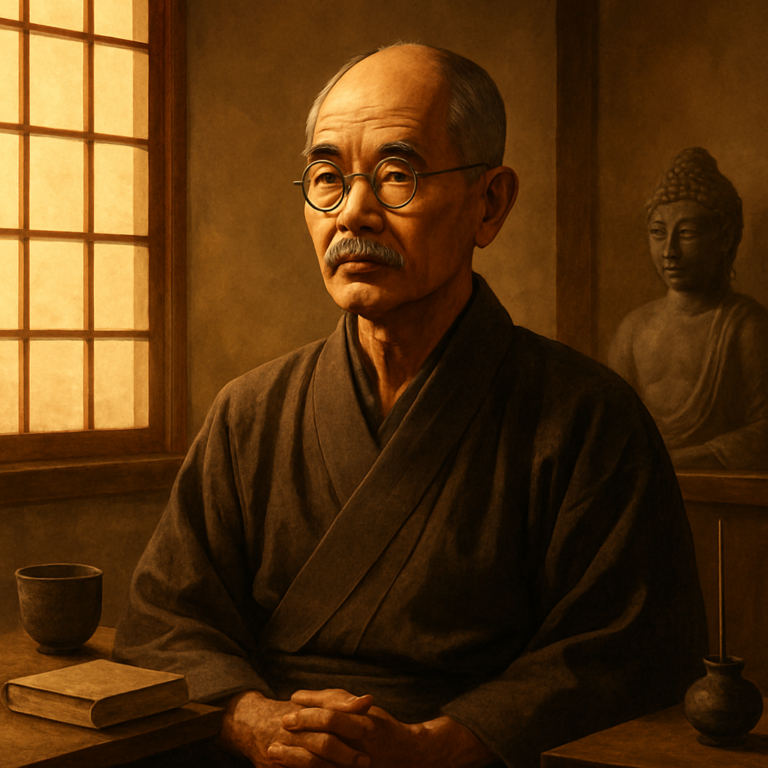
D.T. Suzuki

Explains Zen as direct experience beyond conceptual grasp, while shaping global modern Buddhism.

Comparative Philosophy · Eastern Philosophy · Psychology
1935–present

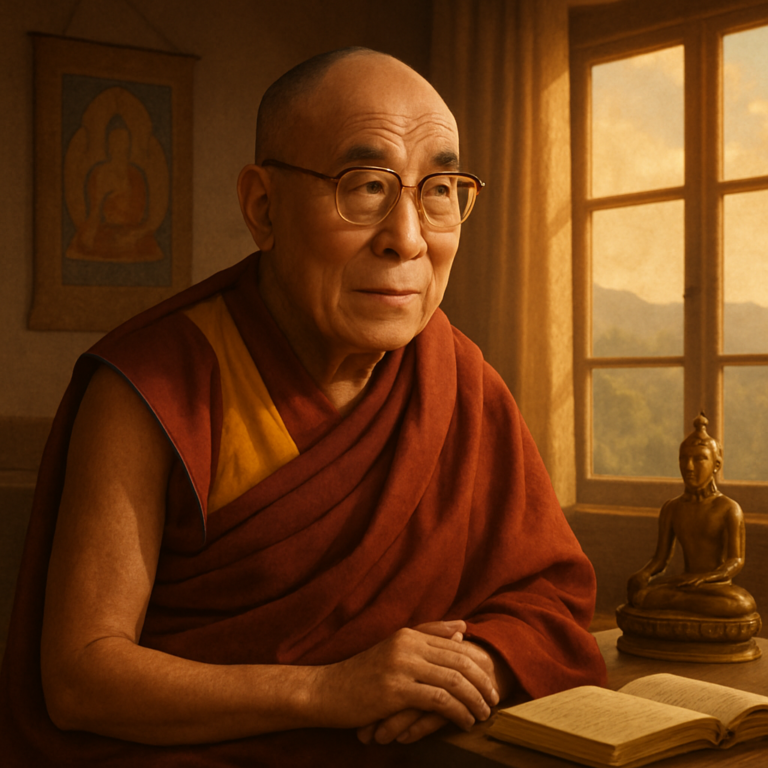
The Dalai Lama

Frames compassion and interdependence as foundations for personal and global ethics.

Eastern Philosophy · Ethics · Political Philosophy
1200–1253

Dōgen

Treats practice, time, body, and awakening as inseparable rather than abstract doctrine.

Eastern Philosophy · Ethics · Metaphysics
c. 369–286 BCE

Zhuangzi

Uses stories and paradox to loosen rigid identities, judgments, and human pretensions.

Ancient Philosophy · Eastern Philosophy · Metaphysics
c. 372–289 BCE

Mencius

Argues that human goodness grows like moral sprouts when cultivated by family, education, and humane politics.

Ancient Philosophy · Eastern Philosophy · Ethics
c. 5th century BCE

Buddha

Guides reflection on suffering, impermanence, craving, compassion, attention, and liberation from reactive patterns.

Eastern Philosophy · Ethics · Psychology
551–479 BCE

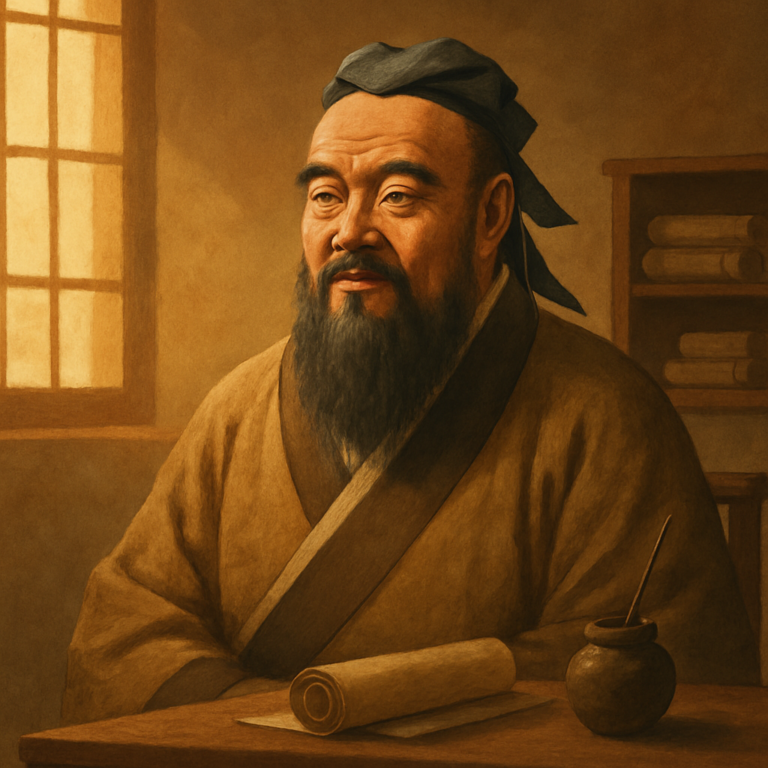
Confucius

Offers guidance on virtue, ritual, family, leadership, education, and social harmony through moral cultivation and humane conduct.

Ancient Philosophy · Eastern Philosophy · Ethics
traditionally 6th century BCE

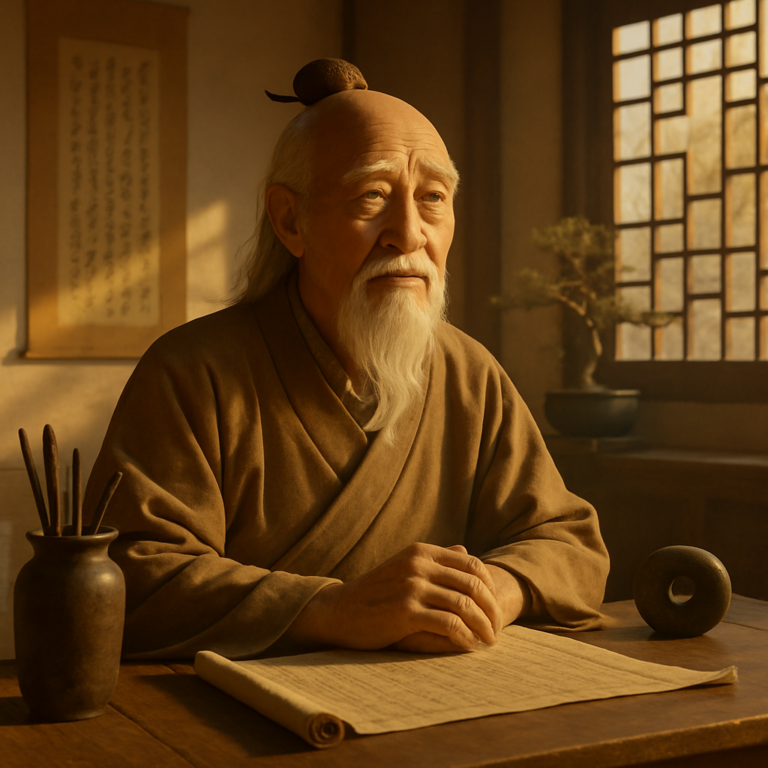
Laozi

Approaches life through Dao, simplicity, non-forcing, humility, paradox, and alignment with natural patterns.

Ancient Philosophy · Eastern Philosophy · Metaphysics
Explore Ideas

Questions within the collection

human natureritualeducationordermoral transformationimpartial careanti-warmeritfrugalitysocial benefit
Ideas

Thoughts

Continue the Conversation

Carry Eastern Philosophy into a living dialogue.

Begin with one thinker, or join a published debate to hear the disagreements tested live.

Explore debates
Log In