
Are You Ignoring These Signs of Overtraining in Your Fitness Routine?
 Sports Rehabilitation Specialist
Helps athletes and active individuals recover from injuries and regain performance.
Sports Rehabilitation Specialist
Helps athletes and active individuals recover from injuries and regain performance.
Overtraining can sneak up on even the most dedicated athletes and fitness enthusiasts. Understanding the subtle signs and symptoms can be the difference between continued progress and a painful setback. Let’s dive into what overtraining is, how to recognize it, and most importantly, how to recover and prevent it in the future.
Recognizing the Signs of Overtraining
While pushing your limits is essential for progress, there comes a point where too much training can lead to burnout and injury. Here are some key signs that you may be overtraining:
Common Symptoms to Watch For
- Persistent Fatigue: If you’re feeling unusually tired despite getting enough sleep, your body could be signaling that it needs a break.
- Decreased Performance: Are your lifts getting weaker or your runs slower? A drop in performance can be an early sign of overtraining.
- Mood Changes: Increased irritability, anxiety, or depression can indicate that your body is overwhelmed.
- Frequent Illness: A weakened immune system can make you more susceptible to colds and other infections.
- Insomnia or Sleep Disturbances: Struggling to fall asleep or stay asleep can be a sign of stress from overtraining.
Tips for Prevention
- Schedule Rest Days: Make rest an integral part of your training plan. Recovery is when your body repairs itself.
- Cross-Train: Vary your workouts to prevent overuse injuries and mental burnout. Incorporate activities like swimming or cycling.
- Listen to Your Body: If you’re feeling fatigued or experiencing pain, don’t push through. Adjust your training accordingly.
- Nutrition Matters: Fuel your body with adequate nutrition. A balanced diet helps in recovery and energy replenishment.
- Hydration is Key: Stay hydrated to support your body’s recovery processes.
For more information on overtraining, you can check trusted resources like the Mayo Clinic, WebMD, WHO, and CDC.
Recovery Strategies
If you find you’re already experiencing symptoms of overtraining, it’s crucial to take action:
- Take a Break: Allow your body to rest for several days or even weeks, depending on the severity of your symptoms.
- Gentle Movement: Engage in light activities like walking or yoga to maintain some level of physical activity without overexertion.
- Seek Professional Help: If symptoms persist, consult a sports rehabilitation specialist for a tailored recovery plan.
- Focus on Sleep: Prioritize getting quality sleep to enhance recovery and rejuvenate your body.
In summary, being proactive about your training and listening to your body can prevent overtraining and set you up for long-term success. Remember, fitness is a marathon, not a sprint.
As we observe International Mental Health Awareness Day on October 10, let’s also recognize the importance of mental well-being in our fitness journeys. Keeping a balanced approach to training can have profound effects not just on our physical health but also on our mental state. Take care of yourself, and your body will thank you!
More articles for you
 Are Your Workout Habits Setting You Up for Injury?
In our fast-paced world, many of us are eager to achieve fitness goals, but often we overlook the…
Are Your Workout Habits Setting You Up for Injury?
In our fast-paced world, many of us are eager to achieve fitness goals, but often we overlook the…
 Are You Ready to Transform Your Home into a Fitness Haven?
In today’s fast-paced world, finding time to exercise can feel like an impossible task. Luckily, you can transform…
Are You Ready to Transform Your Home into a Fitness Haven?
In today’s fast-paced world, finding time to exercise can feel like an impossible task. Luckily, you can transform…
 Can Fitness Transform Your Health with Chronic Conditions?
Living with chronic conditions can feel daunting, but incorporating fitness into your routine can be a game-changer. Exercise…
Can Fitness Transform Your Health with Chronic Conditions?
Living with chronic conditions can feel daunting, but incorporating fitness into your routine can be a game-changer. Exercise…
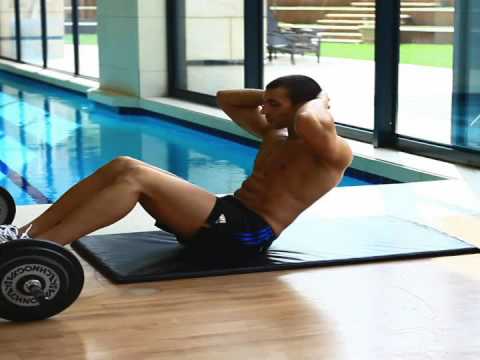 Sit ups
: Exercise Guide Overview Sit ups are a slow, controlled exercise focusing primarily on strengthening the abdominal…
Sit ups
Sit ups: Exercise Guide Overview Sit ups are a slow, controlled exercise focusing primarily on strengthening the abdominal…
 Alternating sit ups
: Exercise Guide Overview Alternating sit ups are a slow, controlled movement primarily targeting the abdominal…
Alternating sit ups
Alternating sit ups: Exercise Guide Overview Alternating sit ups are a slow, controlled movement primarily targeting the abdominal…
 Crunches
: Exercise Guide Overview Crunches are a slow, controlled exercise designed to strengthen the abdominal muscles. This movement…
Crunches
Crunches: Exercise Guide Overview Crunches are a slow, controlled exercise designed to strengthen the abdominal muscles. This movement…