Curated Collection

Ethics

Thinkers and essays gathered around this school of thought.

24Thinkers
8Thoughts
60Major Works
148Archive Entries
Modern · ContemporaryTime Period
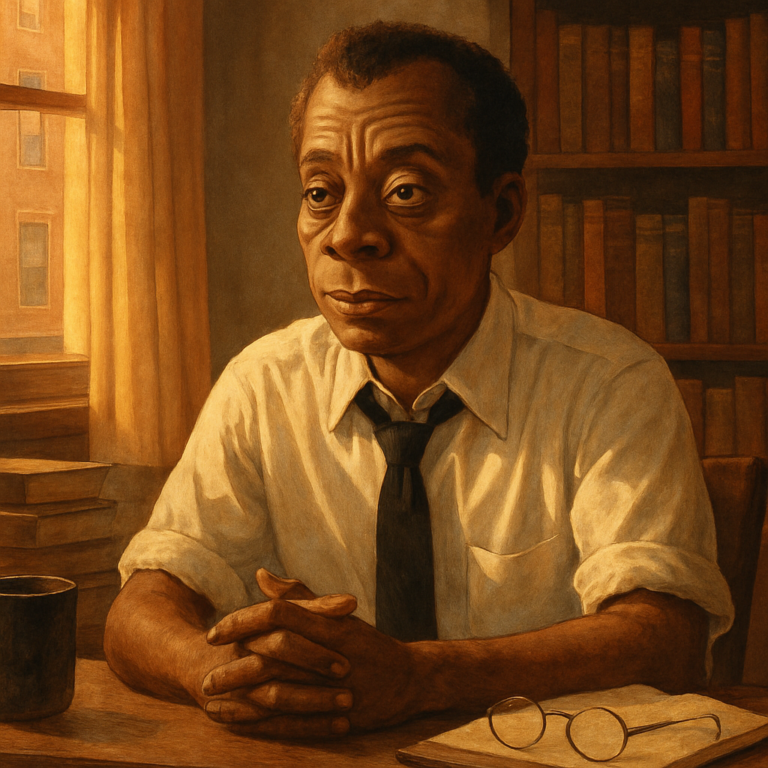
Featured Thinker

James Baldwin

Forces America and the individual soul to face race, love, fear, and moral evasion.

“Race must be examined, not inherited.”
View Profile
Across time

A history of Ethics

c. 470–391 BCE

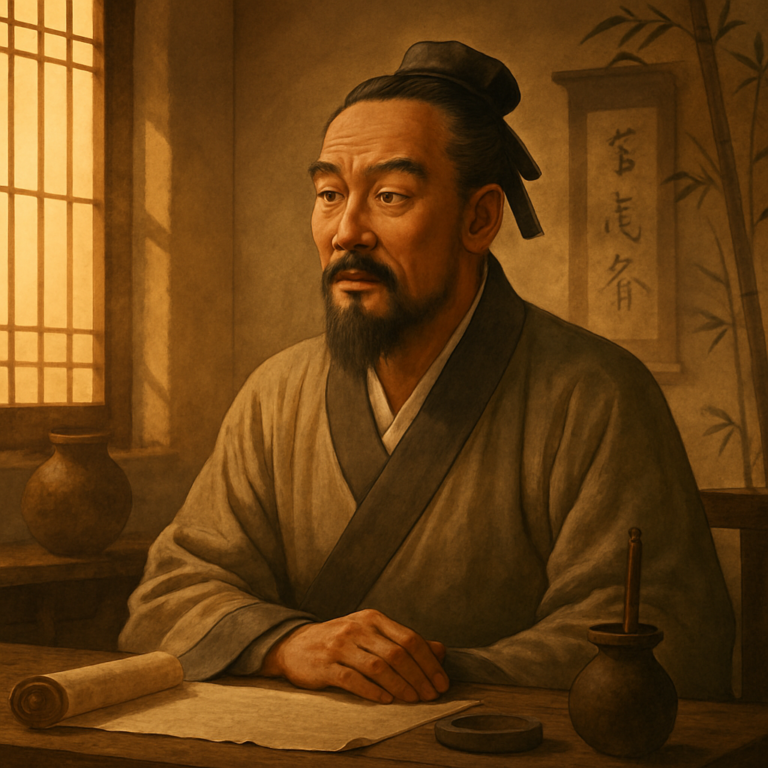
Mozi

Classical

c. 310–235 BCE

Xunzi

Classical

Voices

Thinkers

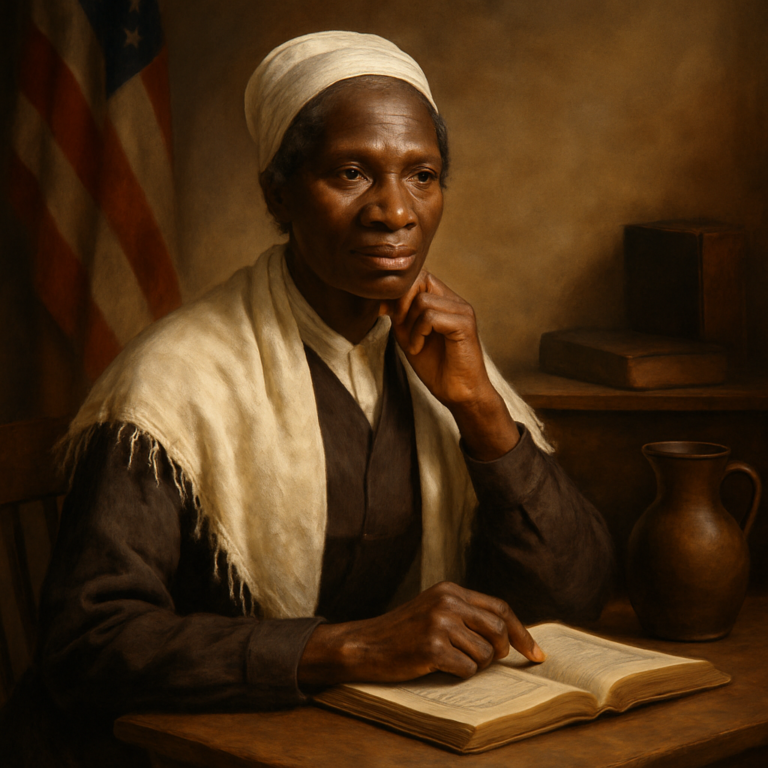
c. 1797–1883

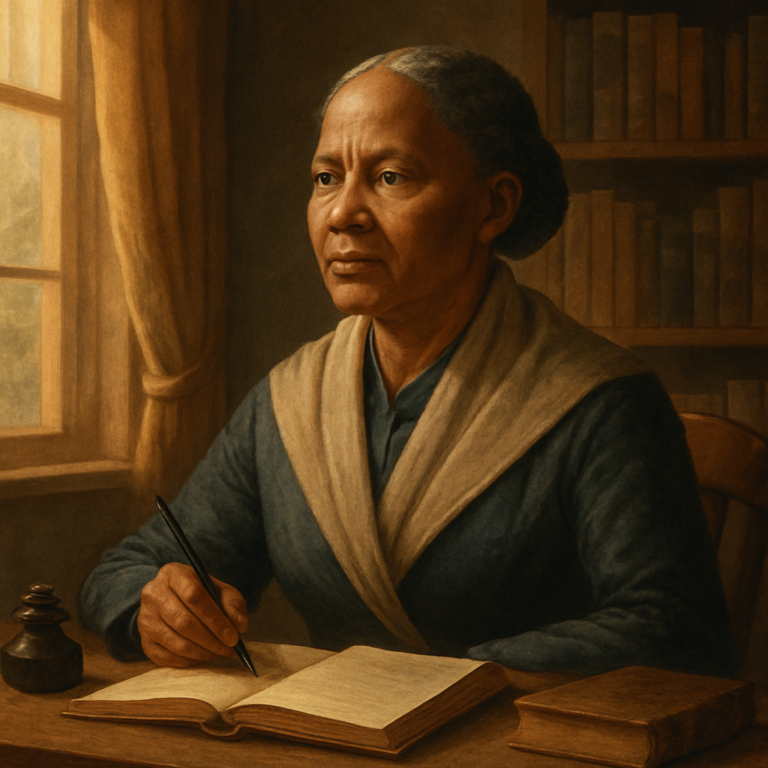
Sojourner Truth

Speaks from lived authority about freedom, gender, faith, and the demand to be recognized as human.

African American Thought · Ethics · Feminist Thought
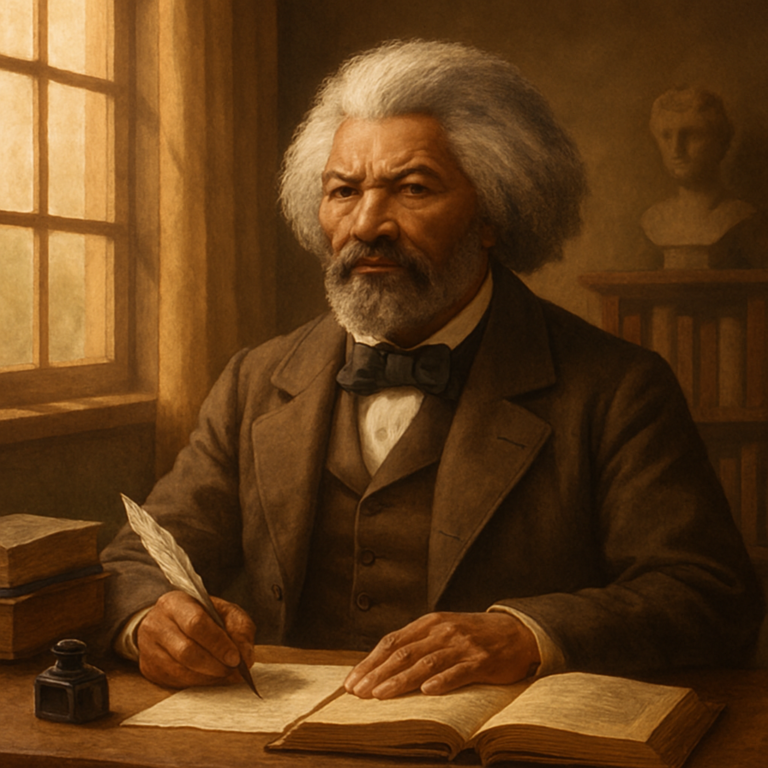
1818–1895

Frederick Douglass

Turns personal testimony and political argument into a powerful defense of freedom and citizenship.

African American Thought · Ethics · Literature
1948–present

Patricia Hill Collins

Explains how knowledge, identity, and oppression are shaped by intersecting power relations.

African American Thought · Ethics · Feminist Thought
1858–1917

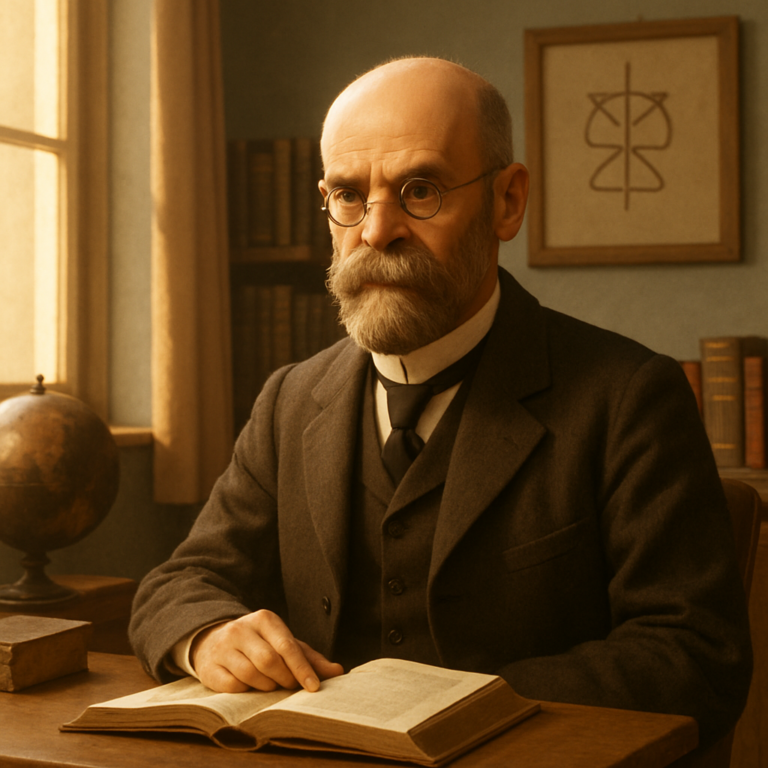
Émile Durkheim

Shows how norms, rituals, and institutions make society more than a collection of individuals.

Ethics · Modern Thought · Religion & Mysticism
1907–1964

Rachel Carson

Shows that chemical power, ecology, public health, and responsibility cannot be separated.

Ecology · Environmental Thought · Ethics
1934–1996

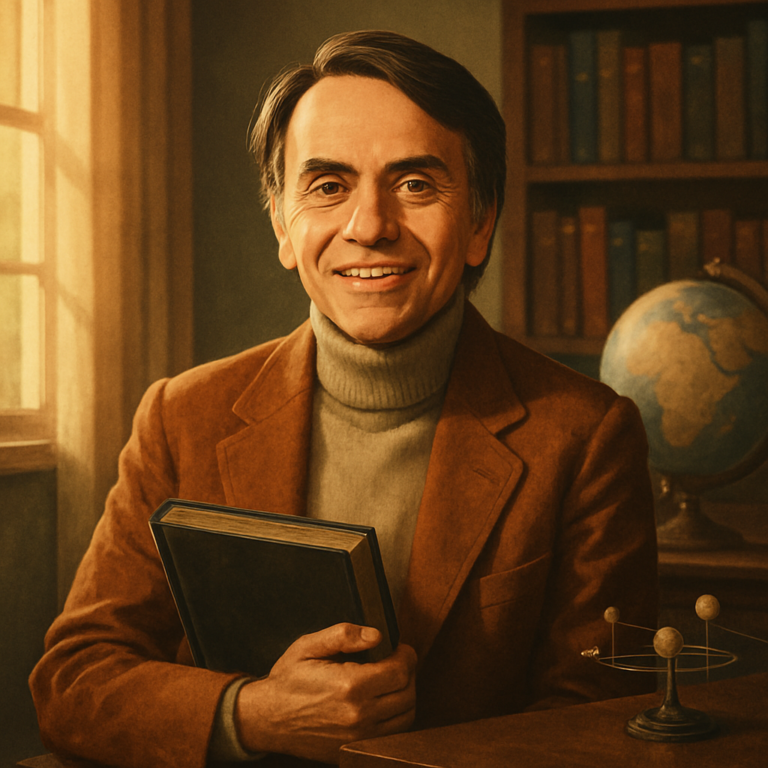
Carl Sagan

Uses wonder and skepticism to place humanity in a vast, fragile cosmic context.

Astronomy · Ethics · Public Reason
1894–1964

Norbert Wiener

Explores feedback, control, communication, and the ethical consequences of automation.

Computing · Ethics · Mathematics
1931–2003

Neil Postman

Warns that technologies shape what a culture can pay attention to and take seriously.

Cultural Studies · Education · Ethics
1955–present

Tim Berners-Lee

Treats the web as a public architecture whose openness and ethics must be defended.

Computing · Ethics · Science
1960–present

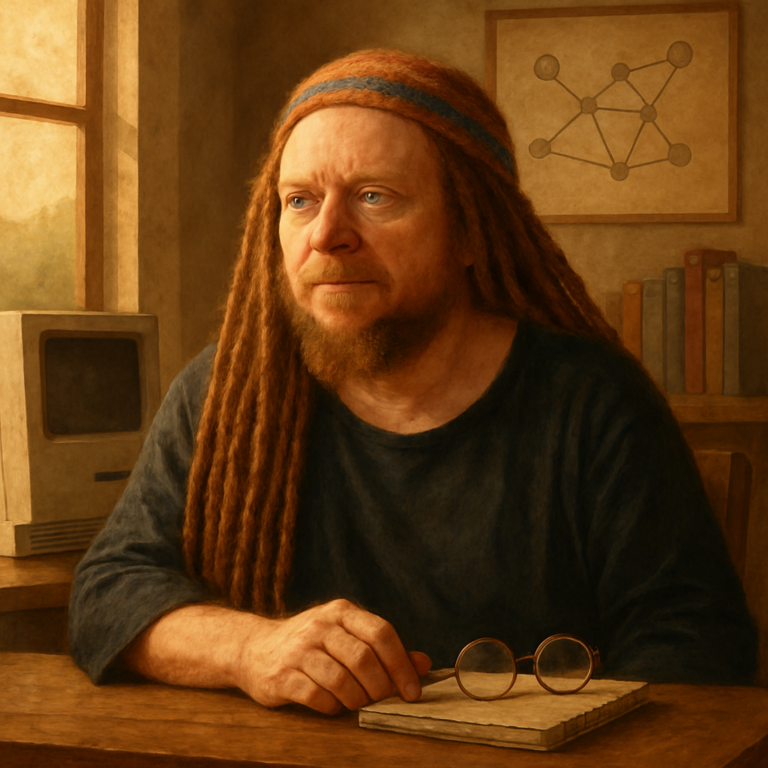
Jaron Lanier

Defends human creativity and dignity against flattening by digital platforms.

Computing · Ethics · Social Theory
1935–present

The Dalai Lama

Frames compassion and interdependence as foundations for personal and global ethics.

Eastern Philosophy · Ethics · Political Philosophy
c. 310–235 BCE

Xunzi

Sees moral life as disciplined cultivation that transforms raw impulses through ritual and learning.

Ancient Philosophy · Eastern Philosophy · Ethics
c. 470–391 BCE

Mozi

Argues that care should be impartial and policies judged by their benefit to ordinary people.

Ancient Philosophy · Eastern Philosophy · Ethics
c. 372–289 BCE

Mencius

Argues that human goodness grows like moral sprouts when cultivated by family, education, and humane politics.

Ancient Philosophy · Eastern Philosophy · Ethics
1200–1253

Dōgen

Treats practice, time, body, and awakening as inseparable rather than abstract doctrine.

Eastern Philosophy · Ethics · Metaphysics
1058–1111

Al-Ghazali

Tests reason until it breaks, then asks how certainty, practice, and spiritual discipline relate.

Ethics · Islamic Thought · Philosophy
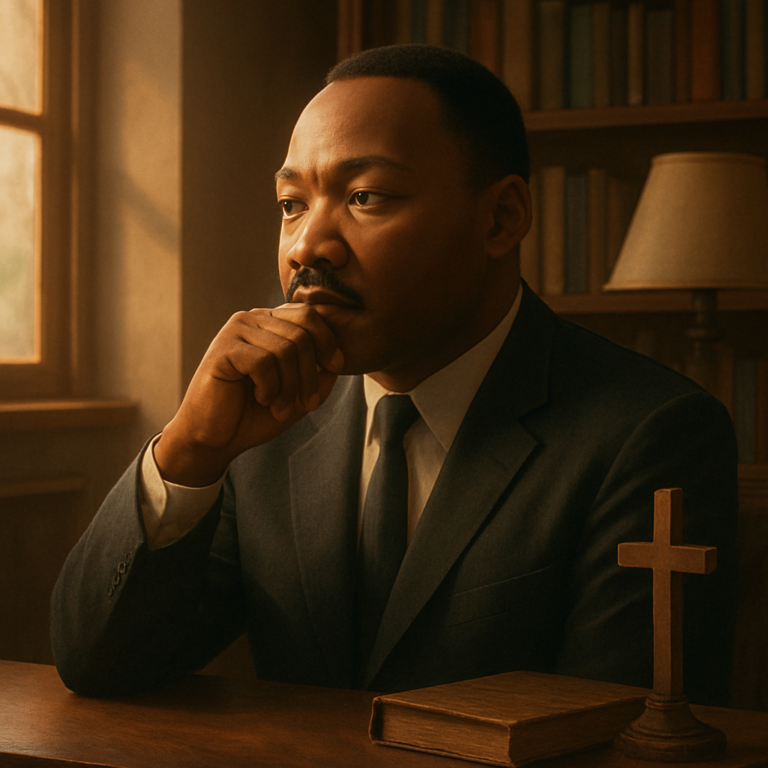
1929–1968

Martin Luther King Jr.

Connects nonviolence, Christian ethics, democratic justice, economic dignity, and moral urgency.

African American Thought · Ethics · Political Philosophy
1934–1992

Audre Lorde

Uses poetry and essay to treat difference as strength and silence as a political problem.

Ethics · Feminist Thought · Literature
1931–2019

Toni Morrison

Makes literature a way to confront memory, race, beauty, inheritance, and unspeakable trauma.

African American Thought · Ethics · Language & Meaning
1924–1987

James Baldwin

Forces America and the individual soul to face race, love, fear, and moral evasion.

African American Thought · Ethics · Literature
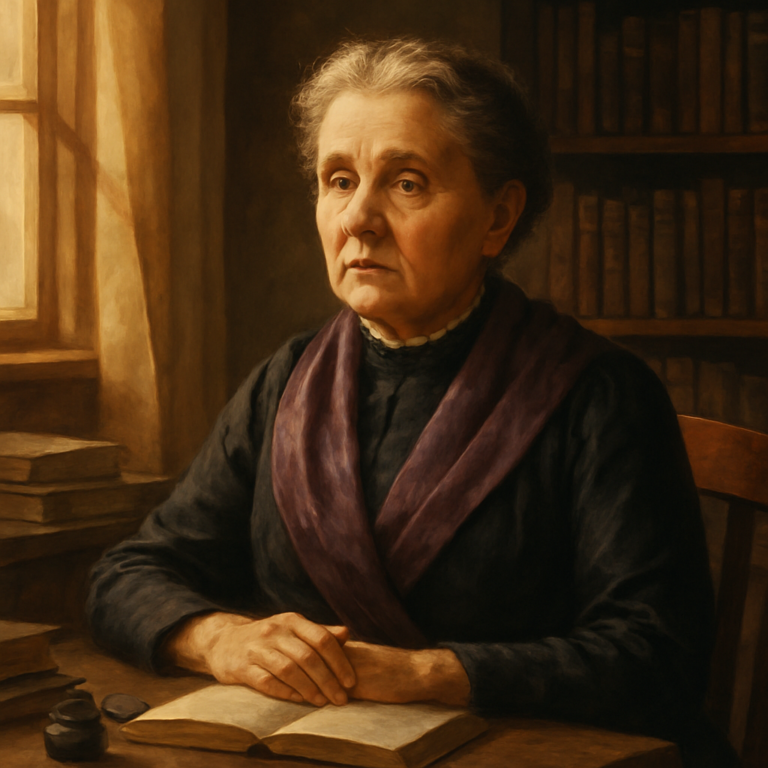
1860–1935

Jane Addams

Turns ethics toward neighborhoods, immigrants, labor, women, peace, and democratic care.

Ethics · Feminist Thought · Political Philosophy
1933–present

Amartya Sen

Defines development as expanding real freedoms and capabilities, not only income.

Development Thought · Economics · Ethics
1723–1790

Adam Smith

Links markets to moral sentiments, institutions, incentives, and the social conditions of prosperity.

Economics · Enlightenment · Ethics
Explore Ideas

Questions within the collection

abolitionwomen’s rightsfaithdignitytestimonyliteracycitizenshipfreedomconstitutional democracytemperance
Ideas

Thoughts

Continue the Conversation

Carry Ethics into a living dialogue.

Begin with one thinker, or join a published debate to hear the disagreements tested live.

Explore debates
Log In